
How to Launch a Private Label Lip Gloss Collection
Private label lip gloss is the easiest money-maker in beauty right now—fast to launch, easy to brand, and built for impulse buys that keep carts clicking.
Euromonitor and Mintel (2025) report rising demand for glossy, hydrating formulas and private-label growth.
Pick the right OEM, control costs, and scale without drama.
Key Points for Private Label Lip Gloss
➔ Focus on high-value formulas: combine hydrating emollients and rich pigments to justify premium pricing and boost margins.
➔ Optimize packaging design: select distinctive tubes, wands, and color-matched artwork to enhance shelf appeal and brand recognition.
➔ Control costs smartly: negotiate raw-material MOQs, standardize components, and build supplier partnerships for better pricing and flexible lead times.
➔ Ensure full compliance: adhere to FDA, GMP, and vegan certifications; perform stability testing, labeling reviews, and quality-control checks to avoid costly recalls.
78% Of Brands Profit From Private Label Lip Gloss
Private label lip gloss keeps showing up as a smart revenue lane. Brands tap into lip gloss private label models to scale fast, test trends, and keep margins flexible without building labs from scratch.
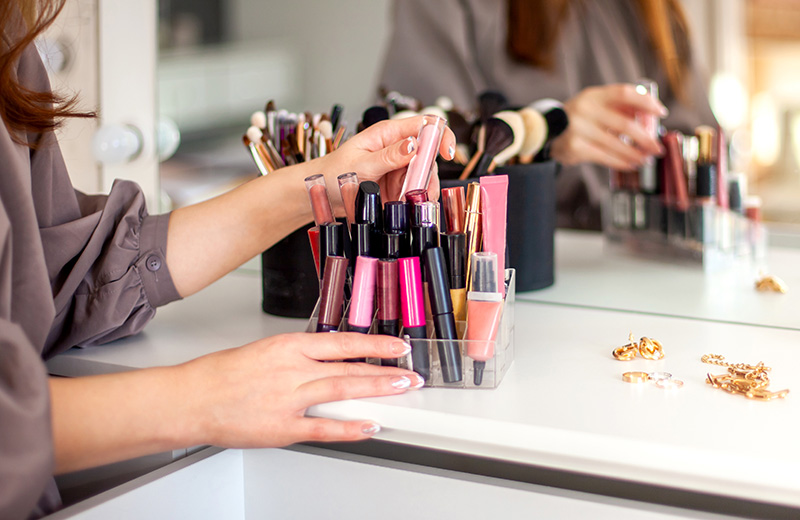
Key Profit Drivers in Private Label Lip Gloss
- formulation cost control keeps base expenses steady while allowing room for upgrades
- brand perception tied to finish, scent, and feel pushes higher retail pricing
- supplier relationships decide consistency and reorder speed
Now, zooming in a bit deeper:
-
cost vs value balance
- raw oils, wax blends, and shimmer agents shape texture
- slight tweaks can shift a private label lip gloss from budget to premium feel
-
distribution flow
- direct-to-consumer boosts margin
- retail partnerships raise visibility but trim profit edges
A lip gloss private label that nails both sensory feel and pricing logic tends to outperform. As a private label cosmetic supplier, Topfeel Beauty offers related packaging solutions and formulation options for brands exploring lip products.
How Emollient and Pigment Choices Impact Margins
• emollients decide glide and hydration
• pigment load affects payoff and repeat purchase
Short breakdowns:
- lighter oils = cheaper, but may feel thin
- richer blends = pricier, yet boost perceived luxury
- balanced mixes = sweet spot for private label lip gloss success
Step flow:
- choose base texture
- test pigment dispersion
- adjust shine vs stickiness
Even a small shift in a lip gloss private label formula can change how customers talk about it—and how often they repurchase.
Packaging Design and Branding Strategies for Higher ROI
Symbols tell the story fast:
- ✦ custom tubes catch attention
- ✦ wand design shapes application comfort
- ✦ color identity builds shelf memory
Longer view: packaging isn’t just a shell. It’s the first sales pitch. A well-designed private label lip gloss with a clean applicator and bold branding often sells before testing even happens. For brands exploring packaging options, Topfeel Beauty offers customized mold development and surface decoration to help justify higher pricing.
Ensuring Compliance with FDA, GMP and Vegan Certification
Compliance feels boring—until it blocks a launch.
Nested flow:
-
regulatory alignment
- FDA labeling accuracy
- ingredient transparency
-
manufacturing standards
- GMP-certified facilities
- batch consistency checks
-
ethical positioning
Quick hits:
- missing paperwork delays shipping
- incorrect labels risk recalls
- verified claims build trust
A private label lip gloss that checks every compliance box doesn’t just stay legal—it earns long-term customer confidence, which is where real profit stacks up.
5 Steps To Formulate Your First Lip Gloss
Getting into private label lip gloss isn’t just mixing oils and color—it’s a vibe plus smart process. From picking raw pigments to final distribution, each move shapes how your lip gloss private label line feels, sells, and sticks in people’s routines. Let’s keep it practical, a little scrappy, and brand-minded.
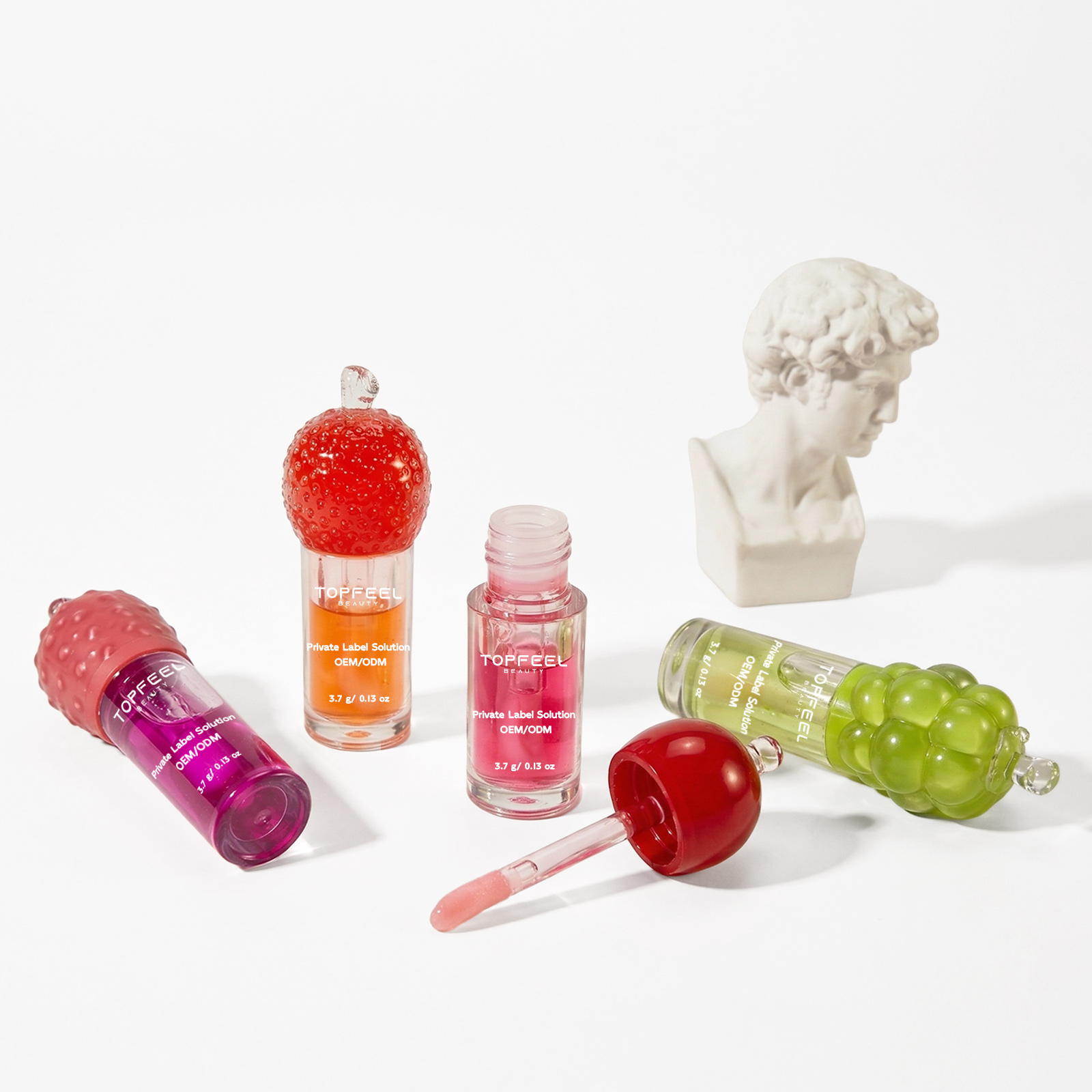
Step 1: Sourcing Quality Pigments and Hydrating Emollients
Working with pigments and emollients sets the tone.
- Core picks: iron oxides, mica, titanium dioxide
- Hydration heroes: jojoba oil, shea butter, vitamin E
Nested choices matter:
-
Finish goals
- Glossy → higher oil ratios
- Shimmer → layered mica blends
-
Supplier checks
- Certifications → safety + compliance
- Batch consistency → stable private label gloss output
Suppliers like Topfeel Beauty streamline sourcing, which helps newer custom solutions lines avoid messy inconsistencies early on.
Step 2: Blending Formulations with Preservative and Plumping Agents
Texture is everything in lip gloss private label work.
- Base for lip gloss: oils + waxes
- Active add-ins: plumping agents, mild preservatives
- Balance test: glide vs. stickiness
Short notes: smooth feel, no separation, stable scent. A solid private label lip gloss should feel effortless, not heavy.
Step 3: Filling Tubes and Implementing Quality Control Checks
Production gets real here.
- ✔ filling machines ensure volume accuracy
- ✔ applicators tested for smooth pickup
- ✔ visual checks for bubbles or streaks
Consistency builds trust, especially when scaling a private label gloss range.
Step 4: Sealing, Sterilization and Stability Testing
Data keeps things legit.
| Test Type | Condition | Result Target |
|---|---|---|
| Heat Stability | 45°C / 2 weeks | No separation |
| Cold Test | -5°C / 48h | No crystallization |
| Microbial Test | Lab culture | Pass safety limits |
| Wear Test | 4-hour use | Even texture |
Manufacturers like Topfeel Beauty provide testing and verification during the first article inspection phase of your private label lip gloss launch.
Step 5: Custom Labeling, Box Design and Distribution Setup
Brand identity hits here.
-
Outer layer
- labels → ingredients, shade names
- boxes → visual pull + protection
-
Backend flow
- storage → climate-safe
- shipping → damage control
A clean custom lip gloss presentation plus smooth logistics turns a simple product into a repeat buy.
Painful MOQ Costs? Negotiate With OEM Partners
Kicking off a private label lip gloss line sounds fun—until MOQ hits hard. Costs sneak in through lead time, packaging, and slow sales. Let’s break it down in a real-world way so your lip gloss brand stays profitable.
Calculating True MOQ: Lead Time and Inventory Impact
When planning private label lip gloss, don’t stop at unit price—track how lead time and inventory turnover quietly drain cash.
-
Core flow:
-
Demand estimate
- weekly sales pace
- seasonality swings
-
Production cycle
- OEM factory queue
- shipping window
-
Storage burden
- warehousing fees
- risk of aging formulas
-
Topfeel Beauty, as a cosmetics packaging supplier, can discuss flexible manufacturing solutions to help balance MOQ with faster reorder cycles instead of overstocking white label lip gloss.
Reducing Raw Material and Packaging Component Expenses
Saving money here isn’t about cutting quality—it’s about control.
- Standardize tubes, caps, applicators
- Bulk-buy pigments and emollients
- Simplify label design across SKUs
A quick play:
- Lock 2–3 universal packaging sets
- Reuse across multiple private label lip gloss variants
- Scale volume → reduce per-unit cost
Topfeel Beauty provides private label turn-key solutions that streamline private label lip gloss packaging so you’re not reinventing every SKU.
Leveraging Supplier Relationships for Better Pricing
Good relationships beat aggressive bargaining every time.
Think in layers:
-
Entry stage
- small MOQ
- basic terms
-
Growth stage
- better pricing tiers
- faster production slots
-
Long-term
- flexible MOQ
- priority allocation
Stick with one trusted OEM partner for your private label lip gloss, and perks stack up—credit terms, faster sampling, fewer surprises. Topfeel Beauty offers flexible shipping terms and manufacturing coordination for repeat clients.
Structuring Contracts to Protect Against Hidden Fees
Hidden costs love vague contracts. Don’t let that slide.
Break it down:
-
Cost clarity
- ✔ tooling fees
- ✔ packaging costs
- ✔ label printing
-
Compliance
- ✔ formula safety
- ✔ regional regulations
-
Penalties
- ✔ delays
- ✔ defect rates
A clean contract turns your private label lip gloss project from risky to predictable. Brands collaborating with Topfeel Beauty for contract manufacturing can define terms regarding tooling fees and packaging early in the process.
References
- Euromonitor – euromonitor.com/Euromonitor International
- Mintel – mintel.com/Mintel
- Forbes Direct-to-Consumer – forbes.com/Forbes Advisor
- FDA labeling accuracy – fda.gov/U.S. Food and Drug Administration
- GMP-certified facilities – fda.gov/U.S. Food and Drug Administration
- vegan certification – vegansociety.com/The Vegan Society
- cruelty-free claims validation – peta.org/PETA
- iron oxides – cosmeticsinfo.org/Cosmetics Info
- mica – cosmeticsinfo.org/Cosmetics Info
- titanium dioxide – cosmeticsinfo.org/Cosmetics Info
- jojoba oil – healthline.com/Healthline
- shea butter – webmd.com/WebMD
- vitamin E – healthline.com/Healthline
- inventory turnover – investopedia.com/Investopedia
Post time: Jul-16-2026