
2026 Makeup Trends From Global Retail New Arrivals: What Brands Should Develop Next
Retail launches are a useful product-development signal
For color cosmetics brands, trend reports are useful when they improve the next product brief. The July 2026 Overseas Beauty Retail New Arrivals List tracks new listings at Sephora US, Olive Young Global, Adore Beauty, and Cult Beauty.
One month of newness is not a market-size forecast. It can, however, show repeated product decisions across primers, blushes, lip products, mascara, and setting formats: long wear, skin-comfort language, portability, and deliberate application systems.
For an OEM, private label, or emerging makeup brand, the implication is practical: a launch brief should connect formula performance, sensory feel, application format, claims support, and pack choice.
This article reviews the product-development implications behind the July retail new arrivals. It focuses on what brands can learn from the visible patterns, not on copying any individual launch.
Evidence and scope
What the July retail sample documents
| Market and retailer | Product forms and positioning recorded in the July 2026 report | Evidence boundary |
|---|---|---|
| United States, Sephora | blurring primer, cushion blush, waterproof eyeliner, tubing mascara, lip products, and blush stain | A July retail-newness sample. It does not establish sales volume or category-wide demand. |
| South Korea, Olive Young Global | Highlighter, blush, liquid highlighter, primer, cushion, neck-care sticks, and powder-setting mist | The report records product format, stated ingredients, and pack descriptions; it is not a clinical or consumer-usage study. |
| Australia, Adore Beauty | Face base, fixing mist, complexion drops, gel cream, toner pads, and hair care | The listed products show retailer assortment choices, not a forecast for the Australian beauty market. |
| United Kingdom, Cult Beauty | Lip balm, liquid blush, lip gloss, PDRN lip care, PDRN patches and mist, and complexion products | Official retailer pages can confirm their own product descriptions, but they do not prove that an ingredient or format will work for every brand. |
What this article does not claim
The analysis does not claim market share, sell-through, search volume, clinical efficacy, regulatory approval, or consumer preference data. Where the report uses benefit or ingredient language, this article treats it as product positioning unless the finished-product claim is independently substantiated.
What the Sephora sample says about all-day makeup
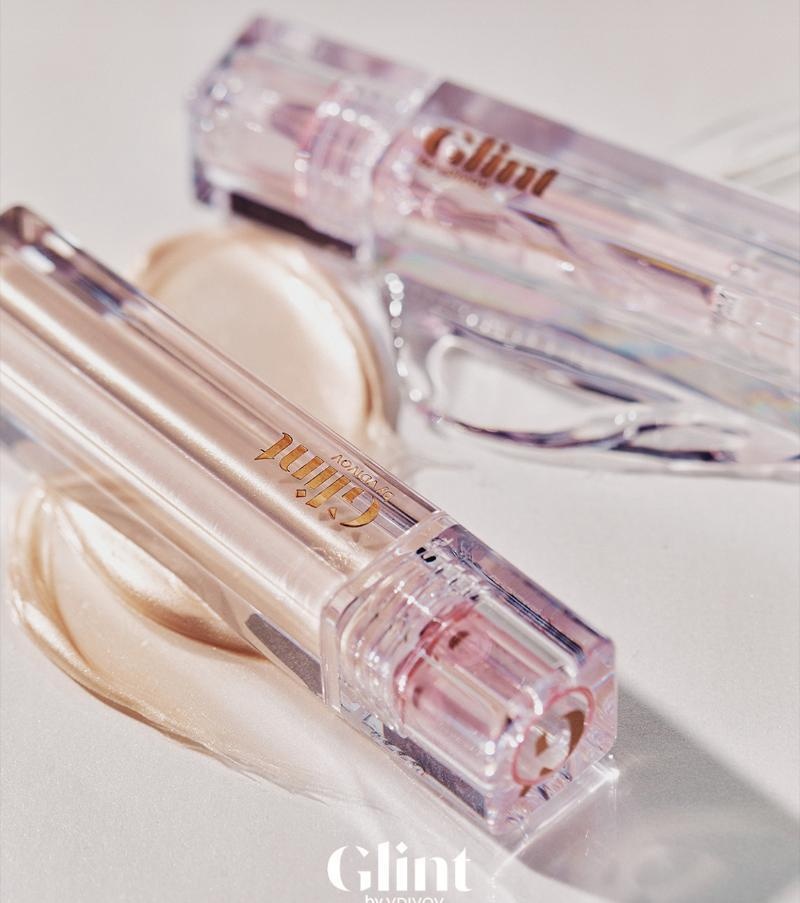
The retailer language is doing two jobs
Long wear is not a new claim in makeup. In the United States sample, product descriptions pair wear language with blur, hydration, smoothing, conditioning, or barrier-conscious ingredient stories. The positioning is not only that makeup stays in place; it also addresses comfort and appearance through a full day.
The Sephora sample makes this particularly clear. It includes a blurring primer designed to improve the appearance of tone and texture, waterproof eye definition, a blush stain positioned around multi-format performance, tubing mascara, and lip color with comfort-oriented ingredients. The broader product story is stability without the familiar tradeoff of tightness, dryness, or a heavy film.
Where the formula still needs proof
Long-wear positioning is credible only when formula and user experience work together. A lip tint can fade unevenly, a base can feel dry after several hours, and a setting spray can leave tack. Development needs to assess the full wear journey, not a single time point.
For makeup brands, the most relevant development direction is performance-led comfort:
- Blur primers that layer well under complexion products.
- Cheek products with buildable payoff and a controlled dry-down.
- Eye, lip, and setting products that balance wear with comfort.
The brief should define finish, transfer expectation, comfort target, skin types, and compatible companion products. A generic “24-hour formula” request is not enough.
Pack choice belongs in the same conversation. A liquid blush needs controlled dosage, a staining product needs precise placement, and mascara must be evaluated with its final brush and wiper.
Where complexion color and skin feel meet
A blush page shows the pattern
Across the report, cheek and lip products are described through hydration, softness, glow, smoothing, and skin-conditioning cues. This does not mean every color product should become a treatment product. It means the sampled product descriptions connect skin feel with immediate coverage or color payoff.
The United Kingdom selection reinforces this direction with liquid blush, glossy lip products, hybrid balm textures, and luminous complexion formats. Separately, the cited Cult Beauty NARS Light Reflecting Blush listing frames serum-powder texture, a soft-focus effect, and long-wear performance in the same product story. It is an example of how a color product can combine an immediate visual result with a more skin-comfort-oriented product narrative.
Keep the line between feel and treatment
For development, the recurring product language connects two goals:
- A visible makeup result, such as a fresh flush, a soft-focus finish, or a defined lip.
- A comfortable skin feel, such as glide, moisture, flexibility, or a less powdery finish.
That bridge can be achieved through smooth pigment dispersion, controlled powder use, film formation, and emollient selection. The suitable approach depends on finish, shade range, filling process, pack compatibility, and target-market requirements.
For brands, the important discipline is claim separation. “Skin-care-infused” and “skin-loving” are broad marketing phrases. They should not substitute for substantiated claims about hydration, barrier support, wrinkle reduction, or other measurable benefits. A formula may include ingredients associated with these concepts, but the finished product’s claims should be reviewed and supported for each target market.
The product-development opportunity is to define a clear makeup result and test the accompanying comfort or finish claim on the finished product.
A pack can define the product experience
The application method has become part of the offer
In the Olive Young Global selection, format innovation is visible through sticks, massage-oriented applicators, microcrystal neck-care formats, compact containers, and setting products in spray form. These formats link the formula with a defined application situation.
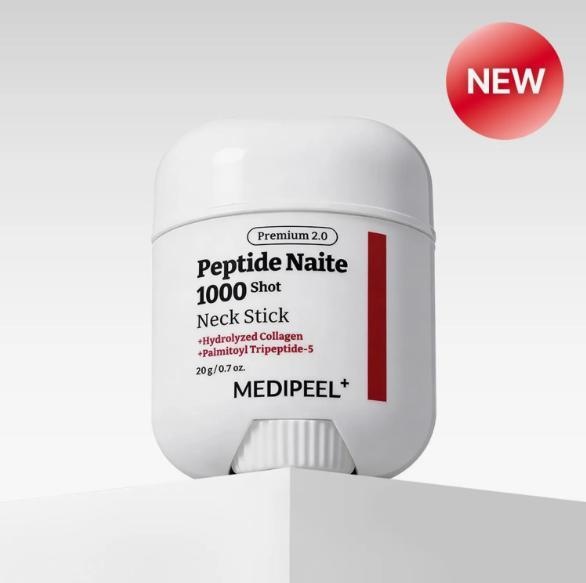
A format changes the brief
Color cosmetics can use the same principle. A portable stick is not automatically better than a compact, and a doe-foot applicator is not automatically better than a brush. Each format should be matched to a real usage behavior:
- A twist-up stick can support touch-ups and direct placement.
- A cushion can support quick complexion application when shade and sponge performance are controlled.
- A pen, slanted tube, or flocked applicator can support more precise color placement.
- A fine-mist spray can support setting or refreshing when the spray pattern and dry-down are tested on a full face of makeup.
Format is also a design constraint. A travel product faces repeated opening, temperature variation, and imperfect application. Sticks, cushions, sprays, and liquid colors each need their own compatibility and dosage checks.
Add a “usage moment” to every brief. Morning routine, touch-up, travel, and professional-kit use each affect capacity, applicator, viscosity, dry time, and shade presentation.
Hybrid language needs a disciplined brief
Familiar ingredients appear across the assortment
The July report records niacinamide, hyaluronic acid, peptides, panthenol, ceramides, and PDRN across skincare and hybrid categories. In the United Kingdom sample, PDRN appears in lip care, mists, masks, and patches. The cited Cult Beauty PDRN category includes Anua, Medicube, Medik8, Biodance, and other brands. This confirms the category page contains several brands and formats; it does not establish market adoption or efficacy.
The formula story follows the makeup result
For color cosmetics suppliers, this is a prompt to think more carefully about formula architecture. Ingredient familiarity can help a brand explain its product, but it should not distract from the core makeup job. A tinted lip balm still needs even color, good glide, acceptable flavor and fragrance choices, and reliable pack performance. A tone-up or skin tint formula still needs shade integrity, wear behavior, stability, and an application experience that matches its coverage promise.
A clear hybrid brief keeps the makeup outcome clear:
- A lip tint with transparent-to-buildable color.
- A soft-focus primer with a comfortable finish.
- A luminous blush balm with layerable color.
Hybrid language should be controlled by the category and the evidence. If the product is primarily makeup, start with the makeup result. If it contains supporting ingredients, explain their role without implying therapeutic treatment.
It is also a better foundation for international commercialization. Ingredient names, claims rules, labeling conventions, and advertising standards differ by market. A supplier should be involved early enough to identify formula constraints, testing needs, and documentation requirements before a brand builds a campaign around an unsupported statement.
From the retail shelf to a development brief
Retail observations become useful when they improve the next brief. The directions below are not copies of products in the report. They show how a brand could translate the observed formats and product language into a focused development conversation.
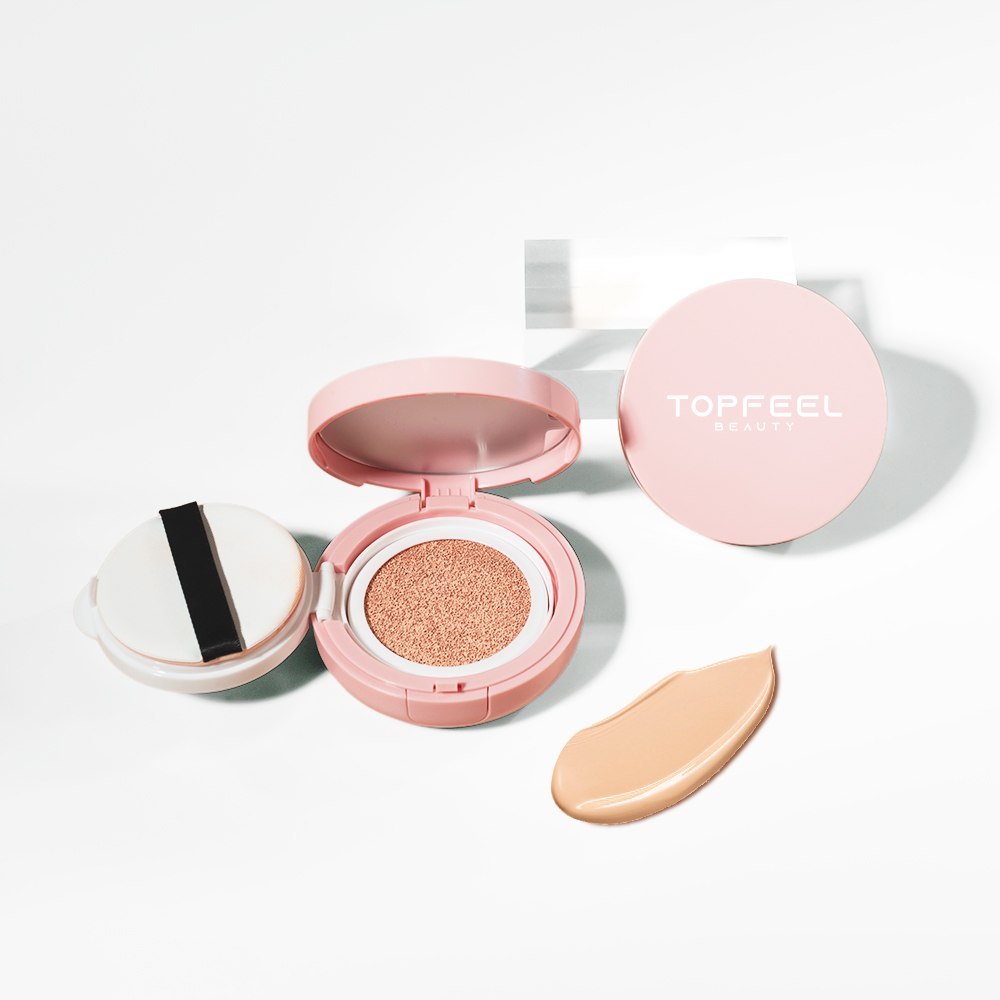
A liquid blush that stays soft as it sets
A soft-matte liquid blush can be designed to layer without lifting foundation. The early decision is whether the product should set quickly for a more polished finish or remain open longer for easier blending.
Development should settle the set time, finger or brush use, color payoff, and wiper dosage before a shade range is finalized.
This direction reflects the report’s recurring combination of cheek color, controlled finish, and wear-oriented positioning.
A lip product that leaves color after the shine
A lightweight lip product may begin with shine, then leave a balanced stain as the glossy phase wears away. The development challenge is avoiding an uneven ring of color.
Application slip, stain development, permitted colorants, and applicator compatibility should be resolved as one system.
The report includes lip products that combine color, shine, comfort language, and longer-wear positioning instead of separating those benefits into different product families.
A primer made for the whole base routine
A low-shine primer can be developed for smoother-looking texture under liquid and powder complexion products. Its value depends on how it performs with the rest of the base routine, not only on initial slip.
Priority skin types, sunscreen compatibility, pilling, and dispensing system are the questions that make the concept usable in practice.
The United States sample places primer beside products that emphasize smoothing, wear, and full-routine makeup performance.
A glow stick that travels well
A twist-up cheek-and-lip balm can offer translucent color in a format that is easy to carry. Its formula needs enough structure to remain stable in travel conditions while still giving a smooth payoff.
Pigment level, heat stability, cross-area shade suitability, and cap protection all belong in the first development discussion.
The report repeatedly features portable formats, including sticks and compact products, across the Korea sample.
A setting mist that does not undo the base
A setting mist needs a uniform spray and a dry-down that does not leave visible droplets or tack. It should be assessed over the complete makeup routine, not as a standalone liquid.
The key decisions are compatibility with mascara, cream color, SPF, and powder; spray consistency; and whether the product is positioned as fixing, refreshing, or both.
This direction connects the report’s setting-product formats with its recurring language around comfort and a fresh-looking finish.
Before the product reaches the factory line
Speed matters in color cosmetics, but short development timelines should not eliminate validation. Trend-led products often combine formula and format features that increase risk. A clear validation plan protects the product before it reaches retail.
| Product-development area | Evidence used in this article | What must be independently validated before launch |
|---|---|---|
| Long-wear and waterproof positioning | The July report includes products positioned around long wear, waterproof use, and all-day makeup performance. | Test protocol, panel, conditions, wear duration, and the exact claim language for each target market. |
| Skin-comfort or hybrid makeup language | The report records ingredient-led makeup positioning; the official NARS page describes a serum-powder blush with soft-focus and long-wear positioning. | Finished-product support for hydration, smoothing, or other consumer-facing claims. Ingredient presence alone is not sufficient. |
| Sticks, cushions, liquid applicators, and sprays | The report records these formats across the four retail samples. | Formula-pack compatibility, dosage, leakage, applicator performance, stability, and repeated-use behavior. |
| PDRN-led product communication | The report and Cult Beauty’s official PDRN category show PDRN across several beauty formats. | Product-specific claims, safety review, labeling, and market-by-market regulatory assessment. |
Formula and pack compatibility
Start with formula stability and packaging compatibility. Evaluate the bulk formula in the intended primary pack under appropriate storage conditions. Observe changes in viscosity, odor, color, separation, dispensing, leakage, wiper performance, and applicator integrity. For a stick, assess structural stability and pay-off after temperature exposure. For a liquid color product, test sedimentation, color uniformity, and dosing. For a spray, test the full dispensing system rather than the bulk formula alone.
Consumer-relevant performance
Then evaluate consumer-relevant performance. The right protocol depends on the product, but the goal is consistent: test the claim language against the real usage scenario. A transfer-resistant lip product should be assessed for wear and fade pattern. A primer should be tested beneath the types of base makeup it is intended to support. A liquid blush should be evaluated for blendability over common complexion products. A mascara should be assessed with its final brush and wiper system.
Claims and market review
Finally, align the communications plan with the evidence. Words such as “long-wear,” “water-resistant,” “hydrating,” “non-comedogenic,” and “clinically tested” should not be used interchangeably. Each has a different implication and may require different substantiation. Product claims, ingredient communication, labeling, and advertising must be reviewed for the target markets before launch.
This is where an experienced makeup manufacturer, testing partner, and regulatory advisor add the most value. They help turn a trend direction into a repeatable product rather than a visually appealing sample with unresolved production risk.
Do not copy the shelf; read the gap
Within the July retail-newness sample, formula, finish, application, and communication appear together in the product descriptions. Development teams can use the same structure when deciding what the formula, pack, and claim need to do together.
The goal is not to replicate a popular liquid blush, a PDRN product, or a portable stick. The goal is to identify the unmet need inside the pattern. That could be a better fade profile, a more inclusive shade story, a faster touch-up format, a lower-shine glow product, a more comfortable soft-matte texture, or a clearer claim proposition.
For 2026 makeup development, the useful question is not “Which trend should we follow?” It is “Which performance problem can our product solve in a defined format and supported claim?” The July retail assortment provides examples at the intersection of lasting wear, skin-like feel, purposeful format, and substantiated communication.
Sources and verification note
This analysis is based on the supplied Overseas Beauty Retail New Arrivals List, July 2026, covering new listings at Sephora US, Olive Young Global, Adore Beauty, and Cult Beauty. The report itself is the primary source for the July sample, product formats, ingredients, and packaging descriptions.
No sales figures, performance results, certifications, regulatory approvals, or clinical outcomes have been inferred from retailer listings.
References
- Sephora US – wikipedia.org/Sephora/Wikipedia
- Olive Young Global – oliveyoung.com/Olive Young/Olive Young
- Adore Beauty – adorebeauty.com.au/Adore Beauty/Adore Beauty
- Cult Beauty – cultbeauty.co.uk/Cult Beauty/Cult Beauty
- tubing mascara – sephora.sg/Urban Decay/Sephora
- blurring primer – sephora.com/Sephora/Sephora
- NARS Light Reflecting Blush – cultbeauty.co.uk/Cult Beauty/Cult Beauty
- serum-powder texture – harrods.com/Harrods/Harrods
- Skin-care-infused – adorebeauty.com.au/Adore Beauty/Adore Beauty
- setting products in spray form – themonodist.com/The Monodist/Odile Monod
- skincare and hybrid categories – cultbeauty.com/Cult Beauty/Cult Beauty
- lip care – theinkeylist.com/The INKEY List/The INKEY List
- PDRN category – cultbeauty.co.uk/Cult Beauty/Cult Beauty
- liquid blush – maprecos.com/Maprecos/Maprecos
- PDRN – cultbeauty.com/Cult Beauty/Cult Beauty
Post time: Aug-05-2026