
How to Make a Lip Balm Product: Packaging and Container Guide for Beauty Brands
Everyone obsesses over how to make a lip balm, yet the real make-or-break moment hits when packaging flops and customers walk away. That tiny tube decides shelf appeal, shelf life, and repeat sales.
Pick wrong materials, seals, or sizing, and margins quietly bleed. Smart packaging choices cut waste, boost branding, and keep production smooth as you scale without nasty surprises.
Key Points: How to Make a Lip Balm Shine
➔ Choose Tube Size & Shape: Balance portability, dispensing ease, and fill capacity for user comfort.
➔ Select Durable Materials: Opt for PP plastic or aluminum to resist heat, oils, and cracking.
➔ Ensure Airtight Seals: Prevent oxidation and contamination to preserve flavor and extend shelf life.
➔ Test Mechanisms & Costs: Verify smooth twist-up action and analyze bulk pricing versus customization fees for branding.
How To Make A Lip Balm: Container Basics
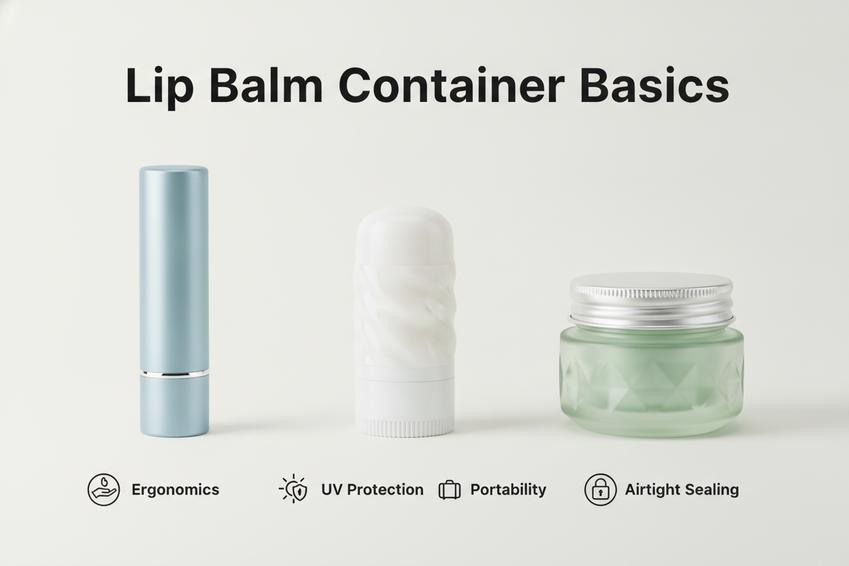
Learning how to make a lip balm isn’t just about wax and oils. Containers quietly shape how your balm feels, lasts, and travels. From pocket comfort to shelf life, these basics help how to make a lip balm that users actually keep using, not lose at the bottom of a bag.
Why Tube Size and Shape Matter
Container choices affect more than looks when figuring out how to make a lip balm people enjoy.
- Slim formats improve Applicator design and Ergonomics, especially for precise edges.
- Wider bodies boost fill volume and Product visibility at retail.
- Short tubes win on Portability, while tall ones lean into Packaging aesthetics.
- Tube dimensions guide how much pressure users apply.
- Consumer preference shifts by age and lifestyle.
- Shape influences perceived value.
★ Rounded edges feel softer on lips.
Nested considerations matter:
-
Comfort
- grip width
- glide angle
-
Style
- matte vs gloss shells
Topfeel keeps sizes practical, not flashy, which aligns with how to make a lip balm that feels familiar.
Essential Materials for Durable Lip Balms
When learning how to make a lip balm, weak containers undo good formulas fast.
- Container materials must handle heat in cars.
- Plastic types like PP resist oils.
- BPA-free builds trust.
Multi-step thinking helps:
- Check Chemical resistance with wax blends.
- Balance Material strength against squeeze comfort.
- Consider Recyclable options for resale appeal.
Mintel’s 2024 packaging outlook notes rising demand for UV protection and recyclable cosmetic shells.
Topfeel sticks to materials that survive real life.
Ensuring Airtight Seals for Shelf Stability
If you’re serious about how to make a lip balm, sealing can’t be casual.
Key layers work together:
-
Sealing mechanisms
- twist-locks
- snap caps
-
Cap design
- thread depth
- closure tension
-
Liner materials
- foam
- PE discs
This setup blocks oxygen, boosting Oxidation barrier, Contamination prevention, and real Shelf life extension. Leak control isn’t fancy; it’s respect for the balm.
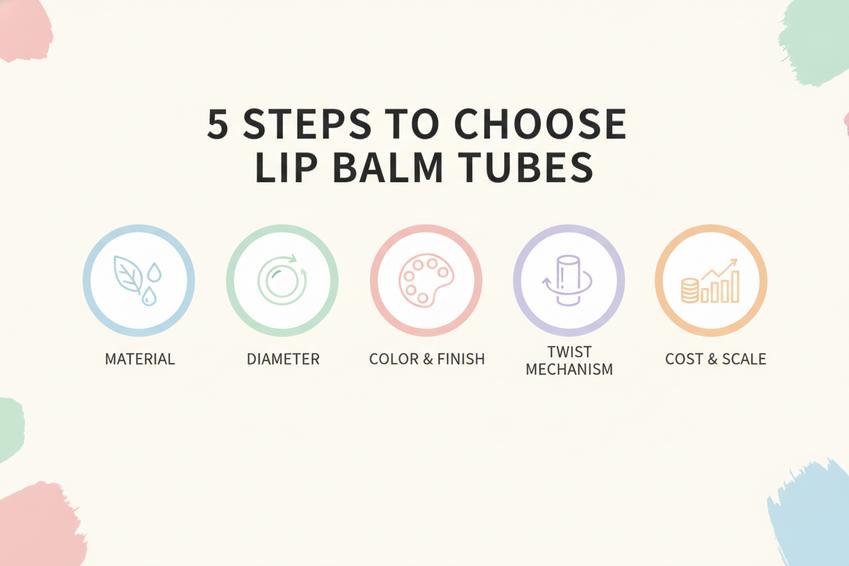
5 Steps To Choose Lip Balm Tubes
Choosing tubes quietly shapes how how to make a lip balm feels in real life. From kitchen batches to scaled runs, this guide keeps it casual, practical, and brand-smart. If how to make a lip balm is on your mind, tube choices matter more than most expect.
Step 1: Selecting the Right Tube Material
When how to make a lip balm shifts from hobby to product, material choices stack up fast.
-
Core options
-
plastic
- polypropylene for heat stability
- polyethylene for softer squeeze
-
- solid feel
- high light protection
-
-
Sustainable paths
- PCR blends
- bioplastic tied to sustainability goals
Material must play nice with oils and waxes, or your balm sweats. Brands like Topfeel often balance feel with sourcing reality.
Step 2: Matching Tube Diameter to Formula Viscosity
Dialing diameter is part science, part common sense in how to make a lip balm.
-
Formula behavior
- thick formulas slow the flow rate
- thin formulas rush the tube opening
-
User side
- smoother product dispensing
- better application experience
Miss this, and even a great formula consistency feels off.
Step 3: Color and Finish Options for Branding
Looks sell before lips try anything.
-
Finish layers
- matte for calm, modern vibes
- glossy for pop
- transparent vs opaque control visibility
-
Brand control
- custom colors
- printing and labeling alignment
Topfeel often nudges new makers to test finishes early while learning how to make a lip balm that stands out.
Step 4: Testing Twist-Up Mechanisms
This part gets ignored until returns show up.
-
Mechanical checks
- smooth extension and retraction
- long-term reliability and durability
-
User reality
- tight cap fit
- real leakage prevention
A bad mechanism ruins trust fast, no matter how well you know how to make a lip balm.
Step 5: Evaluating Cost at Bulk and Private-Label Volumes
Scaling changes the math behind how to make a lip balm.
-
Cost drivers
- material sourcing
- tooling investment
-
Operational layers
- production scale and manufacturing efficiency
- quality control, supply chain, and logistics considerations
Smart customization options keep margins sane, something Topfeel teams flag early for growing brands.
Comparing Plastic Versus Metal Tins
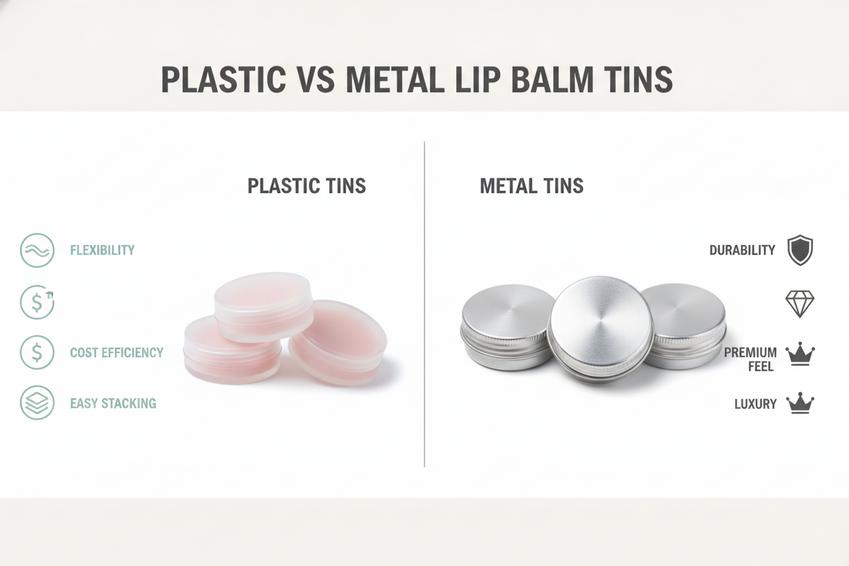
Before jumping into how to make a lip balm, the container choice matters more than most folks expect. Texture, shelf life, even how handmade a balm feels in the pocket all tie back to packaging. Makers testing how to make a lip balm at home or scaling batches with Topfeel often land right here, weighing plastic against metal with real-world tradeoffs in mind.
Plastic Tins
Plastic tins usually enter the chat when how to make a lip balm shifts from hobby to repeat batches.
-
Material traits
-
Base resin
- polypropylene keeps weight down
- offers solid chemical compatibility with oils and waxes
-
Physical behavior
- lightweight, shatterproof, and slightly flexible
- can be transparent, handy for color checks
-
-
Production realities
-
Cost layer
- clearly cost-effective for testing how to make lip balm in volume
-
Workflow fit
- fills fast, stacks easily, ships without drama
-
-
Sustainability angle
- Many are technically recyclable, yet local systems vary
- Perception still skews practical, not premium
For brands like Topfeel, plastic often supports tutorials on how to make a lip balm without raising the price floor too early.
Metal Tins
Metal tins feel different the second one clicks shut, and that matters when explaining how to make a lip balm that feels gift‑worthy.
-
• aluminum bodies bring a premium vibe
-
- durable walls resist cracking and handle heat better
-
★ opaque shells protect sensitive blends
Short notes makers swap around the table:
- The protective seal helps scent hold longer
- corrosion resistance keeps formulas clean
- A seamless design photographs better for shops
A simple flow many follow:
- Finalize the balm recipe
- Test fill temperature to avoid dents
- Cool slowly for a smooth top
Metal costs more, dents happen, yet the look sells. That’s why Topfeel often pairs metal tins with guides on how to make a lip balm meant to feel finished, not rushed.
Is Custom Printing Worth The Cost?
Getting how to make a lip balm ready for shelves isn’t just about the formula. Packaging choices shape costs, timing, and how shoppers feel. This breakdown keeps it real, mixing numbers with street-level brand sense, while keeping how to make a lip balm practical for growing businesses.
Analyzing MOQ Requirements for Custom Labels
When how to make a lip balm shifts from kitchen batches to retail runs, Labels and Customization meet hard math.
- Production volume ties directly to Manufacturing minimums
- Supplier requirements often clash with early-stage Sourcing
- Tight Design specifications raise the Batch size fast
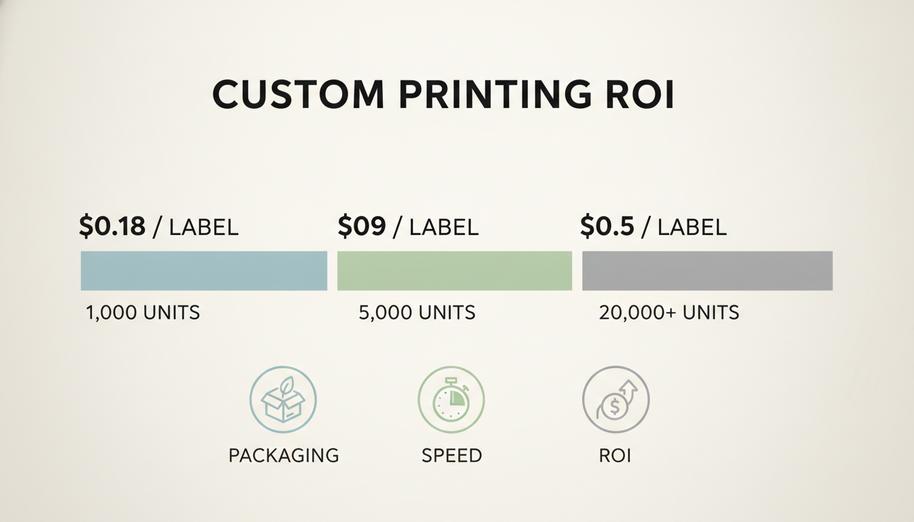
- 500 units feels safe
- 5,000 units unlock pricing
- 20,000 units lock cash
| Order Size | Cost per Label ($) | Total Spend ($) |
|---|---|---|
| 1,000 | 0.18 | 180 |
| 5,000 | 0.09 | 450 |
| 20,000 | 0.05 | 1,000 |
Many indie brands learning how to make a lip balm lean on short runs. Partners like Topfeel often bridge that gap with flexible MOQs.
Balancing Design Flexibility and Production Speed
For how to make a lip balm stand out, Design matters, but Speed pays bills.
- Flexibility boosts shelf pop
- Lead time slows launches
- Manufacturing hates last-minute tweaks
→ Adjust art
→ Approve samples
→ Start Production
According to recent Mintel packaging research (2024),
“Consumers notice packaging changes within three shopping cycles, but delays over six weeks reduce launch impact.”
That’s why efficient Customization keeps Efficiency intact while refining how to make a lip balm feel premium.
Calculating ROI on Branded Lip Balm Packaging
ROI isn’t vibes. It’s math plus memory.
- Investment vs Return
- Marketing lift and Consumer perception
- Long-term Brand equity
Nested thinking helps:
-
Cost Side
- Custom print
- Storage
-
Value Side
- Higher repeat buys
- Clear Value proposition
- Sticky Strategic benefits
Brands teaching shoppers how to make a lip balm often sell more once packaging looks legit. That’s where Topfeel quietly wins hearts, without blowing budgets, while how to make a lip balm keeps converting curiosity into cash.
How To Make A Lip Balm Packaging Line
Learning how to make a lip balm is one thing. Learning how to package it at scale is where things get real. If you’re figuring out how to make lip balm for sale, this guide walks through the practical setup—from layout to expansion—so your line runs smooth and stress-free.
Laying Out Your Filling and Capping Stations
If you’re serious about how to make a lip balm business work, layout matters more than people think.
- Position filling equipment close to bulk melting tanks.
- Align capping machinery directly after fill nozzles.
- Install conveyor systems to reduce manual handling.
A clean station design usually follows this logic:
- Raw balm feeds into heated hopper.
- Product moves through timed piston fillers.
- Tubes advance along belt-driven line configuration.
- Caps apply via synchronized torque heads.
For tighter workflow arrangement, consider:
-
Core layer
- Filling zone
- Cooling track
-
Control layer
- Sensor-based equipment integration
- Reject chute
When brands like Topfeel plan a line for clients exploring how to make a lip balm product line, equipment spacing often ranges between 0.8–1.2 meters to balance safety and access.
Integrating Quality Control Checks
If you’re learning how to make a lip balm at scale, quality assurance keeps returns away.
Key control points include:
- Fill weight accuracy
- Cap torque testing
- Surface defect inspection
| Test Type | Target Range | Frequency (per 1,000 pcs) | Compliance Standard |
|---|---|---|---|
| Net Weight Check | ±3% | 5 samples | ISO 22716 |
| Seal Integrity | No leaks | 10 samples | GMP Cosmetic |
| Visual Inspection | 98% pass | Continuous | Internal QA |
| Torque Resistance | 0.6–0.9Nm | 8 samples | ASTM D2063 |
In 2025, McKinsey’s global beauty operations update noted:
“Brands investing in automated inspection systems reported up to 18% reduction in defect-related waste.”
Solid inspection protocols and clear testing procedures protect product consistency and help meet evolving compliance standards. That’s how you turn a simple guide on how to make lip balm into a dependable production model.
Streamlining Workflow for Bulk Orders
Bulk orders test your process efficiency fast.
To improve throughput optimization:
- Batch similar SKUs together.
- Sync melting cycles with production scheduling software.
- Automate labeling through automated systems.
For high-volume production, align:
-
Inventory
- Raw wax levels
- Flavor stock
-
Logistics
- Pallet staging
- Barcode tracking
Smooth inventory flow reduces downtime, while smart logistics planning keeps shipments on time. If you’re wondering how to make a lip balm business profitable, speed without chaos is the trick.
Scaling Up: From Artisan Batches to Large-Scale Runs
Moving from handmade jars to serious output calls for production expansion thinking.
Short batches rely on manual pouring. Larger runs demand:
- Servo-driven fillers
- Automated process standardization
- Data-linked automation upgrades
Capacity shifts usually follow this pattern:
- Manual filling (500 pcs/day)
- Semi-auto piston system (3,000 pcs/day)
- Fully integrated line (15,000+ pcs/day)
Smart capacity planning supports long-term manufacturing scalability, while careful supply chain optimization prevents raw material delays.
Brands partnering with Topfeel often treat scaling as operational growth, not just bigger machines. That mindset changes everything.
If you’re still asking how to make a lip balm that sells and scales, remember: mastering how to make lip balm is step one. Designing the right packaging line is what turns skill into steady revenue.
References
- Ergonomics – CDC NIOSH
- BPA-free – NIH NIEHS
- Mintel’s 2024 packaging outlook – Mintel
- recyclable – EPA
- Shelf life extension – FDA
- polypropylene – BPF
- aluminum – Aluminum Association
- PCR – EPA
- bioplastic – National Geographic
- Manufacturing minimums – Forbes
- ROI – Investopedia
- ISO 22716 – ISO
- GMP Cosmetic – FDA
- ASTM D2063 – ASTM International
- McKinsey’s global beauty operations update – McKinsey & Company
Post time: Jun-11-2026