

Can Makeup Expire?
When makeup expire, it’s more than a bad smell—it’s brand reputation on the line. Keep your private label glowing, not decaying in silence.
Does makeup, expire? Oh, it absolutely does—and when it does, it doesn’t go quietly. That luxe foundation you launched last spring can turn into a science experiment by fall if preservatives tap out or packaging lets air sneak in. For private label buyers, this isn’t about a funky smell in a mascara tube. It’s about inventory turning into dead weight and customers side‑eyeing your brand like last week’s leftovers.
The U.S. FDA states that cosmetic manufacturers are responsible for ensuring product safety and proper shelf life under the Federal Food, Drug, and Cosmetic Act.
In a beauty market valued at over $90 billion in the U.S. alone (Statista, 2024), one unstable batch can ripple through warehouses, retailers, and reputations. Expiration isn’t a small print issue—it’s chemistry, cash flow, and credibility all rolled into one compact.
Key Points: Makeup, Expire Essentials
➔ Look for sensory changes: sour smells in mascara or separation in foundation signal preservative failure.
➔ Understand risks: expired formulas can harbor bacteria, trigger recalls, and damage brand credibility.
➔ Compare formats: powders last longer; liquids need strong preservatives and stricter GMP controls.
➔ Manage inventory: track batch numbers, PAO symbols, and storage conditions to prevent obsolescence.
➔ Ensure compliance: follow FDA regulations, ISO standards, and proper labeling to maintain safety and shelf-life integrity.
5 Signs Your Makeup Has Already Expired
Your glam bag might look fine, but makeup can expire quietly. When cosmetics expire, texture, smell, and color start acting weird. If you’ve ever asked, “Does makeup expire or am I overthinking it?”—you’re not alone. Here’s how to tell if expired makeup is creeping into your daily routine.
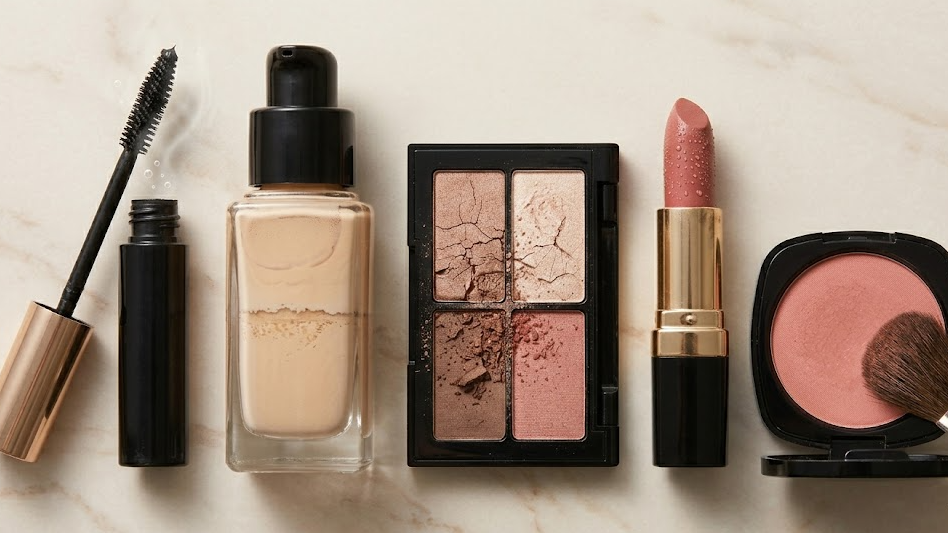
Sour Smell in Your Mascara: Microbiological Testing Warning
When mascara develops a sharp smell, that’s not random. It usually signals bacteria growth after preservatives stop doing their job. Since mascara sits close to the eye, contamination isn’t just gross—it’s an eye safety risk.
- Open the tube and sniff lightly. Sour or chemical odor? Red flag.
- Check the shelf life and PAO symbol. Most mascaras expire in 3–6 months.
- Notice texture. Clumpy and extra wet can mean microbial shifts.
- Watery formula
- Burning sensation
- Red, irritated lash line
Even clean-looking makeup can expire before you expect. Brands like Topfeel Beauty run stability and micro testing so products stay safe through their labeled life, but once opened, countdown starts.
“Eye-area cosmetics remain among the top products linked to consumer-reported microbial concerns, especially beyond recommended use periods,” noted a 2025 industry safety update published by Cosmetics Europe.
If your makeup expire date has passed, toss it. No saving it with wishful thinking.
Separation in Foundation: Packaging Integrity Breakdown
When foundation shows separation, the emulsion of oil and water has broken. That texture change often means ingredients are no longer stable and the makeup may expire soon—or already has.
| Indicator | Time Opened (Months) | Texture Change Level | Safety Risk |
|---|---|---|---|
| Mild oil ring | 6 | Low | Moderate |
| Visible split layers | 9 | Medium | Elevated |
| Thick + watery mix | 12 | High | High |
| Sour odor present | 12+ | Severe | Very High |
Key causes usually stack up:
- Packaging pump failure letting air in
- Heat during shipping
- Storage in humid bathrooms
When cosmetics expire, the blend won’t remix smoothly. Shake it. If streaky lines remain, it’s done. Expired makeup on skin can clog pores and trigger breakouts.
Cracked Surface on Eyeshadow Palette
A cracked eyeshadow palette often signals dryness and binder loss in powder makeup.
• Hairline fractures across pans
• Powder lifting from edges
• Rough texture during application
Here’s how breakdown happens:
- Low humidity pulls moisture from binders.
- Aging raw materials weaken structure.
- Repeated brush pressure widens cracks.
Cracks alone don’t always mean makeup expire instantly, but when payoff fades and dust kicks up excessively, the formula is aging out. Expired makeup near eyes isn’t worth the risk.
Topfeel Beauty focuses on balanced binder systems to reduce early cracking, yet even premium palettes expire over time. Makeup does expire—pressed powders usually last 18–24 months unopened, less after heavy use.
Color Fading in Lipstick: Preservative System Degradation
Your favorite lipstick looks dull? Color fading often ties to oxidation of pigments and failing preservatives. When formula stability drops, the surface may darken or turn patchy.
Short signs to watch:
- Uneven swipe
- Metallic smell
- Sweating beads on bullet
Over time, oxygen sneaks in. The oils oxidize. Pigments shift. That’s how cosmetics expire quietly in your purse.
If the makeup expire date passed and texture drags across lips, stop using it. Lip products touch the mouth; expired makeup can carry unwanted microbes. A fresh formula should glide, smell neutral, and keep vibrant tone.
Blush Caking: Shelf Life and Storage Conditions Gone Wrong
When blush shows caking, moisture likely got in. Humidity and fluctuating temperature mess with powder texture, especially once shelf life is exceeded.
You might notice:
- Hard pan forming on surface
- Color looking muddy
- Brush picking up barely anything
What’s going on underneath?
- Moist air bonds powder particles.
- Oils from brushes transfer onto pan.
- Storage past labeled shelf life speeds degradation.
If you’re unsure whether makeup expire status applies, check smell and payoff. When performance drops, it’s time to replace it. Expired makeup won’t blend the same, and your glow deserves better.
What Happens When Old Makeup Goes Bad?
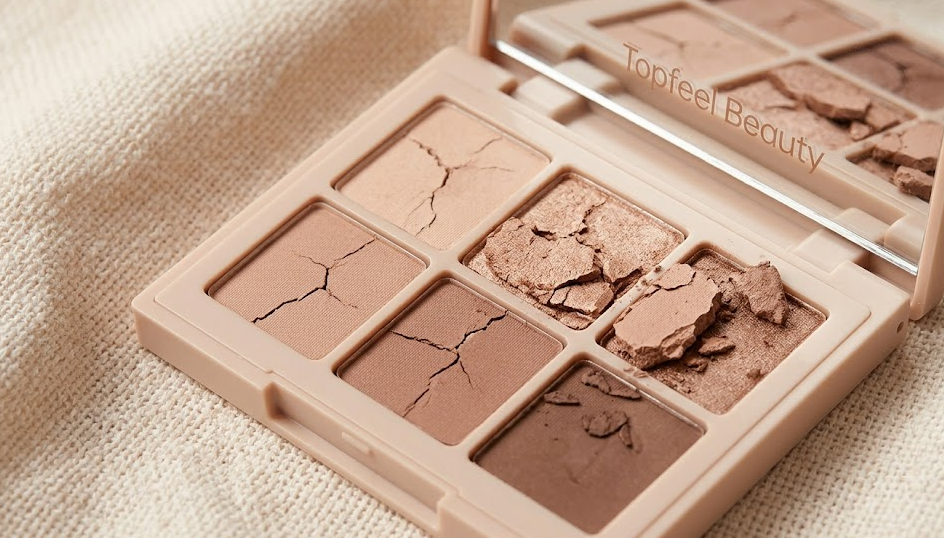
That half-used foundation sitting in your drawer might look fine, but makeup expire dates are not random. When makeup expires, formulas shift, preservatives weaken, and performance drops fast. If you’ve ever wondered what really happens when makeup expire warnings are ignored, here’s the lowdown—skin, safety, and coverage all take a hit.
Skin Irritation from Degraded Preservatives
When makeup expire timelines are pushed too far, the trouble usually starts inside the formula.
- Breakdown of preservatives
- 1.1 Reduced ability to control bacterial growth
- a) Increased surface contamination after brush contact
- b) Higher risk of fungal contamination in cream-based products
- 1.2 Chemical instability
- a) Formation of irritant by-products
- b) Shift in pH that weakens skin tolerance
- 1.1 Reduced ability to control bacterial growth
- Skin response patterns
- 2.1 Early signs
- a) Mild redness
- b) Subtle itching around eyes or cheeks
- 2.2 Escalated reactions
- a) Visible skin irritation
- b) Contact dermatitis and allergic reactions
- 2.1 Early signs
- High-risk product types
- 3.1 Liquid foundation
- 3.2 Cream concealer
- 3.3 Mascara stored in humid spaces
When makeup expires, your skin often reacts before you realize the product has turned. Expired cosmetics don’t always smell strange; sometimes the only clue is irritation that shows up out of nowhere.
Contamination Risks and Product Recall Scenarios
If makeup expire warnings are ignored at scale, the issue goes beyond one person’s vanity table.
- Common contamination triggers:Entry of bacteria and, in rare cases, viruses
- Shared testers
- Poor sealing
- Heat exposure during shipping
- Growth inside nutrient-rich liquid formulas
- Failure to meet safety standards
- Escalation to product recall
In manufacturing settings, weak batch control or unnoticed manufacturing defects can speed up contamination. Once contamination is confirmed, brands face public notices, retailer pullbacks, and serious public health scrutiny.
• Missed batch number logging
• Delayed lab testing
• Incomplete microbial screening
Each small gap increases recall risk.
Brands that invest heavily in quality control, like Topfeel Beauty, focus on strict microbial limits and traceability to prevent makeup from expire-related crises. It protects customers and keeps expired makeup off shelves before it becomes a bigger mess.
Loss of Coverage: Stability Testing Failures
Performance is usually the first thing consumers notice when makeup expires.
- Physical instability
- 1.1 Emulsion breakdown
- a) Oil-water separation
- b) Uneven pigment spread
- 1.2 Texture changes
- a) Clumping
- b) Excess dryness
- 1.1 Emulsion breakdown
- Visual degradation
- 2.1 Color fading
- 2.2 Patchy coverage
- 2.3 Reduced overall product performance
- Shelf-life exceedance and testing gaps
- 3.1 Incomplete stability testing
- 3.2 Ignored real-time aging data
- 3.3 Overextended shelf life claims
Scientific stability benchmarks often look like this:
| Product Type | Tested Shelf Life (Months) | Microbial Limit (CFU/g) | Viscosity Change (%) | Color Shift (ΔE) |
|---|---|---|---|---|
| Liquid Foundation | 24 | <100 | 8% | 1.2 |
| Cream Concealer | 18 | <100 | 10% | 1.5 |
| Powder Blush | 36 | <1000 | 3% | 0.8 |
| Mascara | 6 | <100 | 12% | 1.9 |
When makeup expire dates pass these tested limits, separation, dull payoff, and weak blending follow. Expired makeup doesn’t just underperform—it changes how it sits on skin. Reliable brands such as Topfeel Beauty build formulas around strict stability data so makeup expiration feels predictable, not risky.
Powder Vs. Liquid: Shelf-Life Comparison
Makeup can expire, and ignoring that fact is how skin drama starts. From compact blush to liquid foundation, every formula has a different clock ticking. If you’ve ever wondered when makeup expire dates really matter, this breakdown keeps it real and easy to follow.
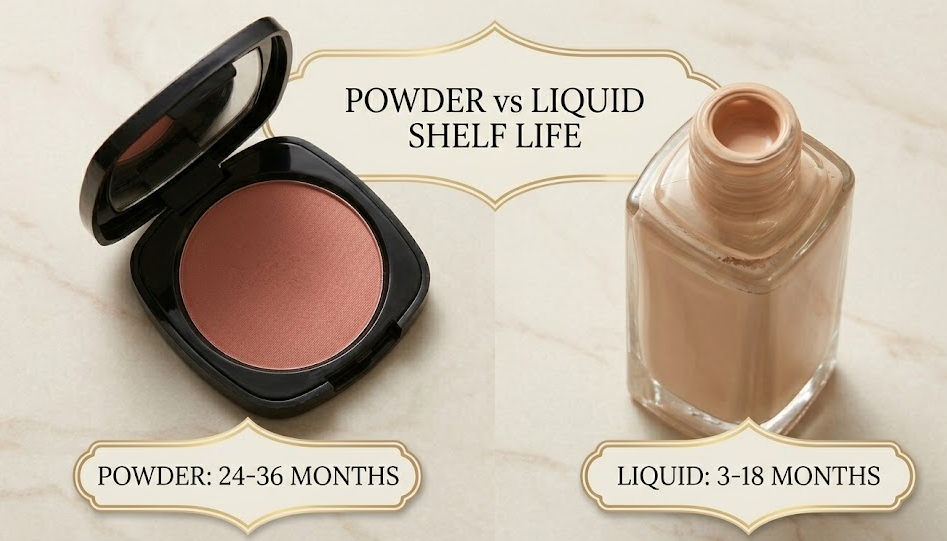
Powder
Powder products rarely rush toward the makeup expire date, and there’s a reason.
-
Formula Stability and Low Moisture
1.1 Water Activity
Typical Powder Longevity
- Minimal moisture limits bacterial growth.
- Fewer microbes mean extended shelf life.
- Lower stress on preservatives.
1.2 Physical Changes Over Time
- Watch for texture change like hard pan.
- Notice subtle color change after long storage.
- Decline in formula stability can signal makeup expiration.
| Product Type | Average Shelf Life | Main Risk Factor |
|---|---|---|
| Blush | 24–36 months | Surface contamination |
| Eyeshadow | 24–36 months | Oil transfer from brush |
| Pressed Powder | 18–24 months | Repeated air exposure |
-
Expire Makeup Warning Signs
3.1 Surface Smell Shift
3.2 Poor Blendability
3.3 Unexpected Skin Reaction
Even though powder makeup expire timelines are longer, expired makeup can still irritate skin. Smart brands like Topfeel Beauty design formulas to slow makeup expiry, but storage habits matter just as much. Keep lids tight. Clean brushes often. Simple moves, big payoff.
Liquid
Liquid makeup can expire faster, and the countdown feels shorter once opened.
-
Water-Based Complexity
1.1 Role of emulsifiers
- Maintain blend between oil and water.
- When weakened, cause visible separation.
1.2 Microbial Sensitivity
- Higher contamination risk.
- Faster formula breakdown if mishandled.
-
Observable Expiration Clues
Liquid Shelf-Life Snapshot
- Sour or strange odor change.
- Clumping or unusual drying out.
- Layer splitting and texture thinning.
| Product Type | Average Shelf Life | Common Expire Trigger |
|---|---|---|
| Foundation | 12–18 months | Air + sponge contact |
| Mascara | 3–6 months | Frequent wand use |
| Liquid Liner | 6–12 months | Cap not sealed tight |
When makeup expire dates are ignored, contamination builds quietly. That’s how expired makeup ends up causing redness or breakouts. Topfeel Beauty focuses on controlled filling environments to reduce contamination, but once opened, your routine decides how fast makeup expire becomes reality. By using high-quality liquid foundation, your makeup shelf life stays on your side.
Why Expired Makeup Harbors Bacteria
That old compact at the bottom of your bag might look fine, but once makeup expire becomes a reality, things shift fast. When makeup expire dates pass, bacteria move in quietly, and expired cosmetics stop being skin-friendly.
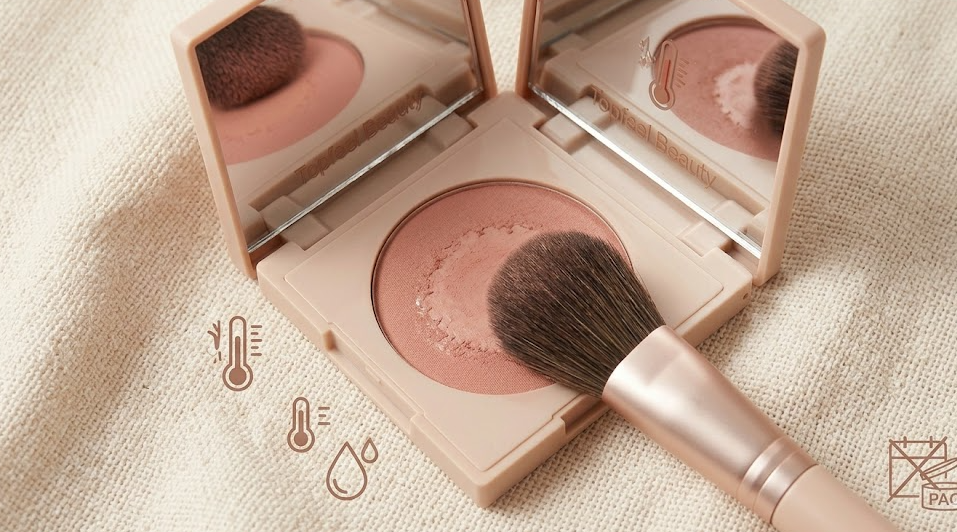
Preservative System Breakdown and Microbial Growth
When makeup expire happens, the issue often starts inside the formula:
- Preservatives
- a. Over time, preservatives face chemical breakdown.
- b. Reduced activity shortens real shelf life.
- c. Weakened systems allow microbial growth.
- Microorganisms
- a. Bacteria multiply in water-based foundations.
- b. Fungi thrive in creamy textures.
- c. Growth leads to visible product degradation and odor.
- Risk progression
- a. Open → oxygen exposure
- b. Oxygen → microbial shift
- c. Shift → irritation or breakouts
Scientific stability data shows how fast expired makeup can change:
| Storage Time (Months) | Preservative Activity (%) | Bacterial Count (CFU/g) |
|---|---|---|
| 0 | 100 | <10 |
| 12 | 72 | 150 |
| 24 | 41 | 12,000 |
As makeup expire timelines stretch beyond testing limits, contamination risk jumps sharply. Brands like Topfeel Beauty run repeated stability tests to slow this curve and control expired cosmetics risk before products reach users.
Poor Warehousing and Storage Conditions
Even before makeup expire dates arrive, improper storage speeds up trouble.
- Heat and temperature fluctuations weaken active systems.
- High humidity increases contamination risk.
- Direct sunlight exposure accelerates internal reactions.
In real warehouse conditions, small environmental factors stack up:
- Warm loading docks
- Long transit delays
- Non‑climate‑controlled stockrooms
Each step shortens functional shelf life. Once makeup expire conditions are triggered early, bacteria find an easy home. Topfeel Beauty controls environmental factors tightly, reducing spoilage before products hit retail shelves.
Compromised Packaging Integrity and Cross-Contamination
Packaging tells another story.
- Broken pumps reduce seal integrity.
- Loose caps increase air exposure.
- Cracks allow moisture ingress.
Inside daily routines:
- Fingers touch product.
- a. Poor applicator hygiene transfers microbes.
- b. Repeated dips cause cross-contamination.
- Air enters jar.
- a. Oxidation shifts texture.
- b. Product contamination accelerates.
When packaging integrity drops, makeup expire risks multiply. Old blush, spoiled mascara, expired makeup—it all becomes a breeding ground once protection fails. Keeping products sealed and replacing them on time keeps bacteria out and skin calm.
FAQs
How can I confirm makeup hasn’t expire before shipping private label orders?
When preparing foundation, mascara, or lipstick for distribution channels, check three core markers:
- Date control – verify the manufacturing date, batch number, and PAO symbol against the stated shelf life.
- Lab proof – confirm stability testing and microbiological testing reports meet ISO standards and FDA regulations.
- Physical signs – watch for sour odor, color shift in blush, or separation in concealer.
Behind the scenes, quality control teams review packaging integrity, raw material inspection records, and finished product release documents. Strong inventory management and proper warehousing conditions prevent early expire risks and protect labeling requirements under the EU cosmetic directive.
Why do liquid products expire faster than powders?
Liquid makeup such as foundation, mascara, and eyeliner contains higher water activity, which places pressure on the preservative system.
- More moisture → higher microbial growth risk
- Shorter validated shelf life → tighter logistics cycles
- Greater sensitivity to storage conditions → heat weakens formula stability
Powder products like eyeshadow palette or blush have less moisture, so microbiological testing often shows longer durability. For contract manufacturing, formulation development and packaging design must support the intended expiration date while staying aligned with GMP guidelines.
What are the risks if expired makeup enters the supply chain?
Expired lipstick or concealer in circulation can trigger serious consequences:
- ⚠ Product recall due to failed stability testing
- ⚠ Regulatory non-compliance with FDA regulations or ingredient disclosure rules
- ⚠ Reputation damage across distribution channels
Operationally, this may cause inventory obsolescence, supply chain disruption, and even liability insurance claims. Clear rejection criteria, strict quality control, and smart supplier lead time planning reduce the chance that makeup will expire before reaching customers.
References
- Shelf Life and Expiration Dating of Cosmetics – fda.gov
- United States Beauty Market Report 2024 – statista.com
- Everything you need to know about the PAO symbol – cosmeticsdesign-europe.com
- Is Expired Makeup Bad for Your Skin? – clevelandclinic.org
- Eye Makeup Safety Tips from Ophthalmologists – aao.org
- How to Tell if Your Makeup Is Expired – byrdie.com
- How Cosmetics Work and Ingredient Stability – cosmeticsinfo.org
- Contact Dermatitis Symptoms and Causes – mayoclinic.org
- Preservatives in Cosmetics Safety Report – safecosmetics.org
- Fungal Contamination in Cosmetic Products – ncbi.nlm.nih.gov
- ISO 22716:2007 Cosmetics Good Manufacturing Practices – iso.org
- Cosmetic GMP Inspection Checklist – fda.gov
- Does Makeup Expire? Guide to Cosmetics Shelf Life – healthline.com
- Microbiology of Cosmetics and Personal Care Products – microbiologyresearch.org
Post time: Apr-01-2026