
How to Choose the Best Custom Makeup Palette in 2026?
When a bold brand meets strict 2026 rules, your custom makeup palette becomes both art and strategy—profit’s prettiest performance.
A custom makeup palette in 2026 isn’t just about pretty pans and punchy pigments—it’s a high-stakes business decision dressed in glitter. New regulations are tightening ingredient lists, sustainability claims, and labeling rules, and one wrong move can stall a launch or drain margins. Picking a supplier now feels less like shopping and more like casting the lead in a Broadway show—get it right, and you get a standing ovation; get it wrong, and it’s crickets.
Grand View Research reports the global cosmetics market surpassed $295 billion in 2023, with steady growth ahead. “Compliance and clean formulations are driving purchasing decisions,” notes McKinsey’s 2024 beauty insights.
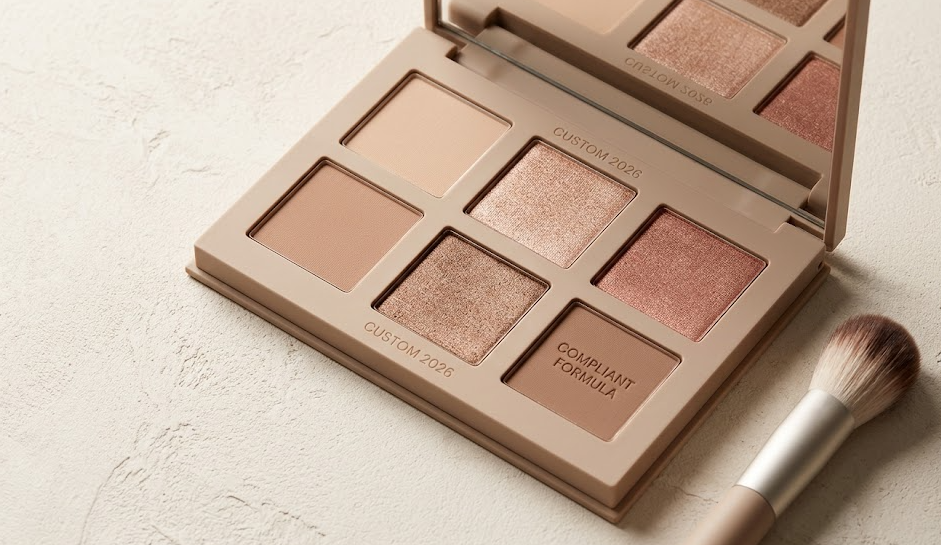
So here’s the tension: how do you create a palette that’s bold, safe, profitable—and future-proof? That’s where this guide steps in.
Key Notes: Orchestrating Your Custom Makeup Palette
- Regulatory Compliance: Adapt formulas to 2026 ingredient restrictions for talc-free, transparent sourcing
- Safety-First Formulations: Prioritize hypoallergenic, paraben-free, dermatologist-tested bases
- Packaging Logistics: Ensure accurate labeling, batch IDs, and sustainable, refillable cases
- ROI Insights: Calculate cost per unit, forecast margins by demographic, and optimize inventory management
How 2026 Regulations Will Impact Your Custom Makeup Palette Choices
New rules in 2026 are shaking up how every custom makeup palette is made, labeled, and shipped. If you’re building a makeup palette for your brand, these updates will shape your formula, packaging, and quality checks more than ever.
Regulatory Compliance: Navigating 2026 Ingredient Restrictions
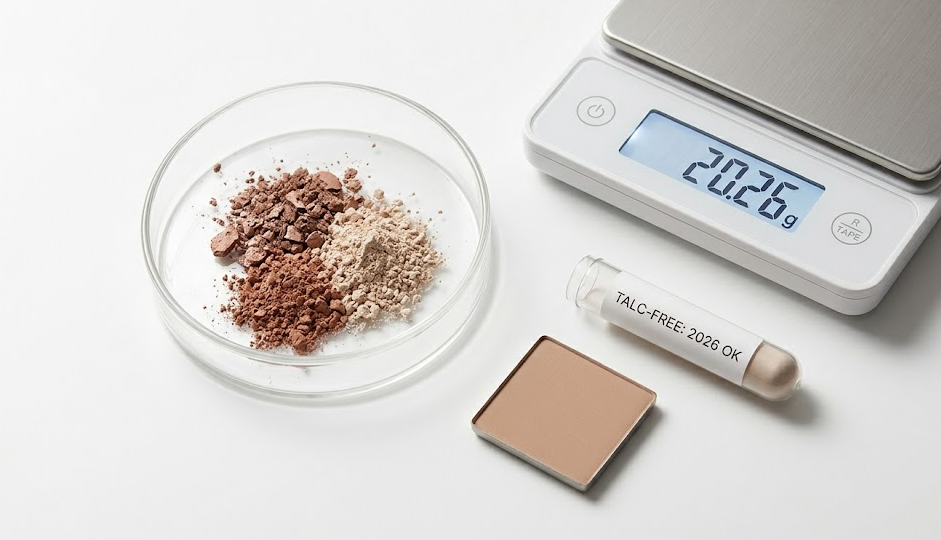
Creating a compliant custom makeup palette now revolves around tighter ingredient restrictions and clearer formulation guidelines.
- Core compliance focus
- Prohibited substances
- Removal of certain talc grades
- Stricter limits on heavy metal traces
- Approved chemicals
- Mineral-based pigments
- Plant-derived binders
- Alignment with 2026 regulatory updates
- Prohibited substances
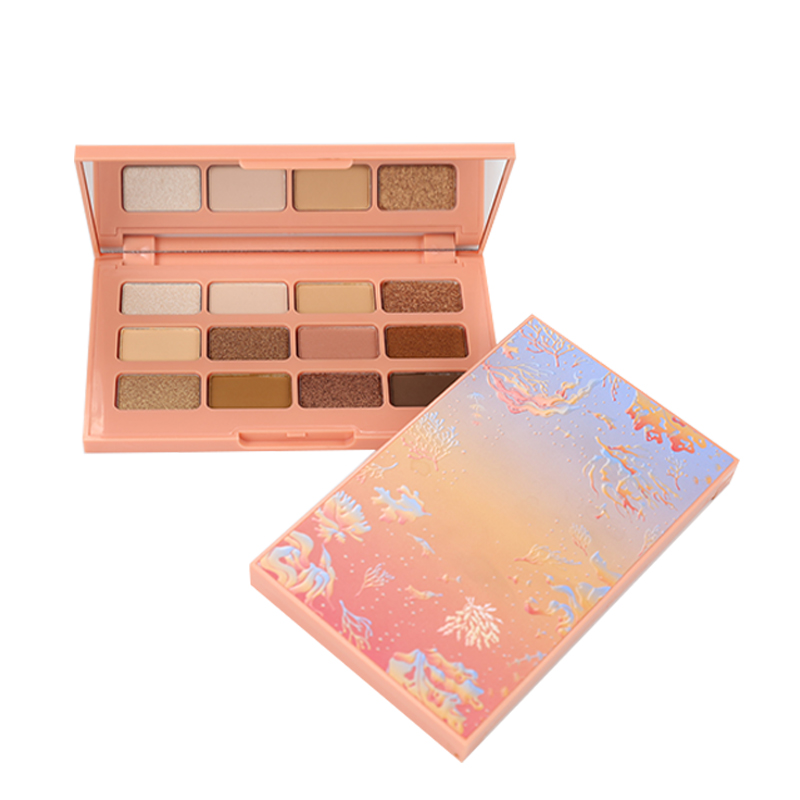
For brands developing a custom eye shadow palette or face palette:
- Review global compliance standards.
- Adjust pressed powder and cream formulas.
- Document transparent sourcing for audits.
Topfeel Beauty supports brands by pre-screening raw materials and refining every custom makeup palette formula to match evolving laws. It keeps your makeup palette safe, modern, and retail-ready.
Safety First with Hypoallergenic, Paraben-Free Formulations
Skin safety now drives buying decisions. A smart custom cosmetic palette starts with:
- Hypoallergenic ingredients
- Paraben-free systems
- Clean pigment blends
Under safety review:
- Testing stage
- Lab-based allergen testing
- Stability checks
- Clinical validation
- Dermatologist tested claims
- Proof of reduced skin sensitivity
Results matter. Non-irritating formulas aren’t hype; they reduce returns and build trust. A well-designed custom makeup palette with non-irritating formulas simply feels better on real skin.
Packaging Logistics under New Labeling Requirements
New labeling requirements go beyond pretty compact cases.
- Outer packaging
- Clear ingredient list
- Batch coding
- Inner components
- Durable packaging materials
- Verified recyclable packaging
Manufacturers must align with updated manufacturing standards and provide full product information for every custom makeup palette shipment. Magnetic systems and refillable inserts now demand traceable documentation. It’s paperwork, yes—but it protects your brand.
Ensuring Batch Consistency through Quality Control Audits
Consistency keeps your custom makeup palette line credible.
- Production layer
- Standardized manufacturing process
- Defined standard operating procedures
- Verification layer
- Routine quality control checks
- Shade comparison for batch consistency
- Lab-based product testing
- Oversight layer
- Internal auditing procedures
- Supplier reassessment
Topfeel Beauty conducts repeat pigment checks across bulk runs, ensuring each custom eyeshadow palette matches the approved sample. No shade drift. No texture surprises. Just steady performance, batch after batch.
5 Insider Tips to Source Safe, Premium Pigments for Your Palette
Building a custom makeup palette isn’t just about pretty shades. It’s about safe pigments, smart sourcing, and a vibe your customers trust. If your makeup palette line is growing, these insider tips will keep your custom palettes sharp and sellable.
Vet Mineral-Enriched, Vegan-Certified Suppliers
When sourcing for a custom makeup palette, break it down like this:
- Supplier Standards
- Ingredient Level
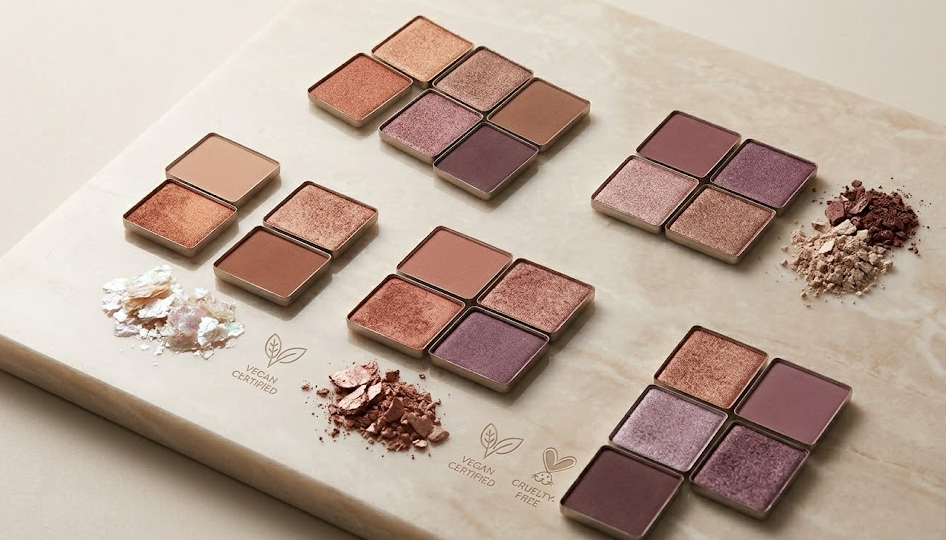
- Use mineral-enriched pigments for smoother payoff in pressed and liquid formats.
- Confirm vegan-certified ingredients to match clean beauty demand.
- Ethics Level
- Audit ethical sourcing claims.
- Check alignment with sustainable suppliers policies.
- Ingredient Level
- Formula Performance
- Texture compatibility with natural formulations
- Stability in refillable or magnetic custom palette systems
A strong supplier makes your makeup palette feel legit, not rushed.
Demand Dermatologist-Tested, Cruelty-Free Credentials
For any custom makeup palette launch, trust sells faster than hype.
- Safety Verification
- Request proof of dermatologist-tested makeup reviews.
- Validate hypoallergenic formulas with documented allergy testing.
- Ethical Proof
- Confirm global cruelty-free certification.
- Align messaging with ethical beauty standards.
Brands like Topfeel Beauty build long-term partnerships by keeping compliance tight and documentation clear. That kind of clarity protects your custom cosmetics line.
Evaluate Shade Range and Pigment Intensity Ratings
A winning custom makeup palette needs depth.
- Shade Strategy
- Ensure shade range diversity across warm, cool, neutral.
- Map tones for seasonal drops.
- Performance Metrics
- Measure pigment intensity and true color payoff.
- Test blendability across matte, shimmer, satin finish options.
- Market Fit
- Align shades with trend data and real user feedback.
Topfeel Beauty often supports brands with tailored shade planning so every custom palette feels intentional, not random.
Verify Private Label Production and Ingredient Sourcing
Your custom makeup palette is only as strong as its backend.
- Manufacturing Layer
- Confirm private label manufacturing capabilities.
- Audit quality control processes inside production lines.
- Ingredient Traceability
- Demand ingredient transparency reports.
- Verify raw material origin and full supply chain verification.
Clean paperwork equals smoother global distribution.
Optimize Minimum Order Quantity and Lead Times
Inventory stress? No thanks.
- Production Planning
- Review manufacturing capacity before locking designs.
- Compare production timelines against launch calendars.
- Logistics Control
- Negotiate flexible MOQs tied to projected availability.
- Align delivery schedules with marketing rollouts for better fulfillment efficiency.
Topfeel Beauty helps brands balance cost and speed, so your custom makeup palette hits the market right on time—and keeps customers coming back for the next makeup palette drop.
Palette ROI: Measuring Profit From Your Private-Label Cosmetics Line
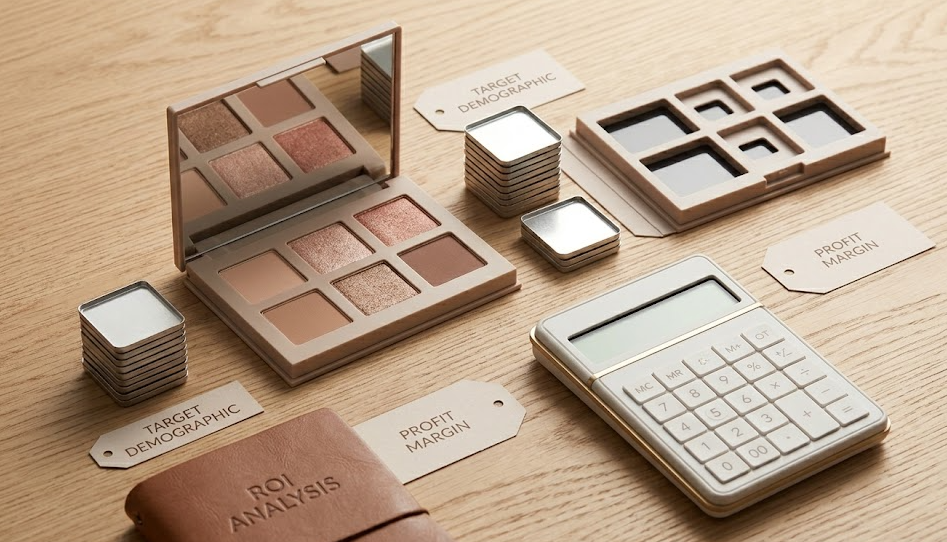
A profitable custom makeup palette is not luck—it’s math, timing, and knowing your buyer. When your makeup palette line is built on clean numbers and smart planning, ROI stops being a guess and starts looking predictable.
Calculating Cost per Unit in Bulk Manufacturing
Building a custom makeup palette starts with cost clarity.
- Core cost blocks:
- Raw materials
- pigments for shade payoff
- binders and fillers
- Production labor
- pressing
- assembly
- Manufacturing overhead
- utilities
- equipment depreciation
- Raw materials
- Secondary layers:
- Packaging costs
- empty pans
- customizable trays
- outer cartons
- Quality control
- stability testing
- shade consistency checks
- Tooling expenses
- mold development
- pan sizing adjustments
- Packaging costs
For a private label makeup palette, total everything, then divide by confirmed production volume. Brands like Topfeel Beauty often help optimize batch sizing so your custom cosmetic palette doesn’t bleed margin before launch.
Forecasting Profit Margins via Target Demographic Analysis
Margin planning for a custom makeup palette feels less scary when you break it down.
- Define customer demographics
- Refine market segmentation
- Compare through competitor analysis
Quick checkpoints:
- Are you pricing for students or pro artists?
- Is your pricing strategy premium or mass?
Then project:
- Sales volume projections
- Repeat purchase potential
- Customer lifetime value
If your makeup palette speaks directly to a niche—say warm-toned minimalists—your custom makeup palette can carry stronger perceived value, which widens margins without shocking your audience.
Balancing Inventory Management with Distribution Channels
Profit disappears fast when stock just sits there.
- Inventory foundation:
- Stock levels
- safety stock
- launch buffer
- Lead times
- raw material sourcing
- production cycles
- Stock levels
- Distribution alignment:
- Warehousing costs
- Fulfillment efficiency
- Channel split:
- Retail partnerships
- E-commerce platforms
- Logistics control:
- Supply chain logistics
- freight planning
- customs timing
- Supply chain logistics
A smart custom makeup palette rollout syncs manufacturing with real demand. Topfeel Beauty supports brands by matching batch output to channel strategy, keeping cash flow steady while your custom palette gains traction.
FAQs
How will 2026 ingredient restrictions affect my custom makeup palette line?
The rules tighten, and formulas feel the pressure.
- Pressed powder, cream base, gel formula, and liquid pigment move toward talc-free and mineral enriched builds.
- Ingredient sourcing shifts into the spotlight: traceable, readable, defensible.
- Packaging tells the truth at a glance—compact cases, mirror lids, refillable inserts, and magnetic palette systems carry clearer regulatory compliance marks.
Behind the scenes, private label production adapts fast or falls behind market trends shaped by rising consumer preferences for safer beauty.
What certifications should I request from pigment suppliers?
Trust travels with paperwork.
• Vegan certified, cruelty-free, dermatologist tested, hypoallergenic, paraben-free, fragrance-free
• Proof tied to each pigment lot, protecting batch consistency during bulk manufacturing
• Alignment with ingredient sourcing standards that support long-term brand identity
These signals calm buyers, steady distribution channels, and guard inventory management from sudden setbacks.
Can I ensure consistent pigmentation across large production runs of custom palettes?
Consistency is a promise kept under pressure.
- Quality control tracks pigment intensity, undertone matching, and finish types across every shade range.
- Retained samples anchor color families and customizable hues during future runs.
- Manufacturing partners skilled in batch consistency manage lead times, minimum order quantity, and packaging logistics with discipline.
The reward is product differentiation that feels human in the hand—and reliable in every pan, from empty pans to customizable trays.
References
- Global Cosmetics Market Analysis - grandviewresearch.com/Grand View Research
- The Beauty Market in 2024 - mckinsey.com/McKinsey
- FDA Guidance on Talc in Cosmetics - fda.gov/FDA
- EU Cosmetic Products Regulation - ec.europa.eu/European Commission
- Skin Care Basics for Dermatologists - aad.org/AAD
- How to Find Your Skin Undertone - allure.com/Allure
- Mica Sourcing and Makeup - marthastewart.com/Martha Stewart
- Cruelty-Free Certification Labels - peta.org/PETA
- Market Segmentation Strategies - investopedia.com/Investopedia
- Product Pricing Strategies for E-commerce - shopify.com/Shopify
- Global Supply Chain Management - hbr.org/Harvard Business Review
- Trends in Cosmetic Formulation - glossy.co/Glossy
- Responsible Mica Sourcing Standards - responsiblemica.org/RMI
- J&J Talc Replacement News - reuters.com/Reuters
Related Products





Top Selling Products

- Related Blog
- Related Videos
- Reviews
