

When Was Makeup Invented?
From ancient fire dust to flawless labs, makeup still seduces. Private‑label buyers—this is your shot at heritage with serious payoff.
Makeup didn’t just pop up on a store shelf—it clawed its way here from crushed minerals, smoky fires, and ancient rituals. That history still echoes in every formula you source today. If you’re building a private label line, you’re not just picking shades—you’re betting on safety, story, and staying power.
Back in 2025, a Topfeel Beauty product engineer put it bluntly: “Modern buyers want heritage in the story and precision in the lab.” Short, sharp, true.
Here’s the tension: consumers crave clean, certified, trend-right products—yet one misstep in formulation or packaging can tank trust fast. Understanding where makeup began isn’t trivia. It’s your cheat code to creating products that feel timeless and sell like hotcakes.
Reading Notes: Makeup Evolution Unveiled
➔ Ancient pigments laid the groundwork for today’s mineral-based foundations.
➔ Creams and sticks inspired modern blush and concealer portability.
➔ Hypoallergenic, paraben-free, vegan standards echo historical sensitivities.
➔ Packaging—from tubes to compacts—stems from age-old palette designs.
➔ GMP, ISO 22716, and Ecocert processes mirror early quality rituals.
What Drove Early Makeup Innovations?
Early beauty rituals were never random. From crushed stones to creamy balms, every move in makeup history solved a real problem—coverage, color, comfort. When you break “makeup” into make + up, it’s about building up the face, layer by layer, with smarter cosmetics each time.
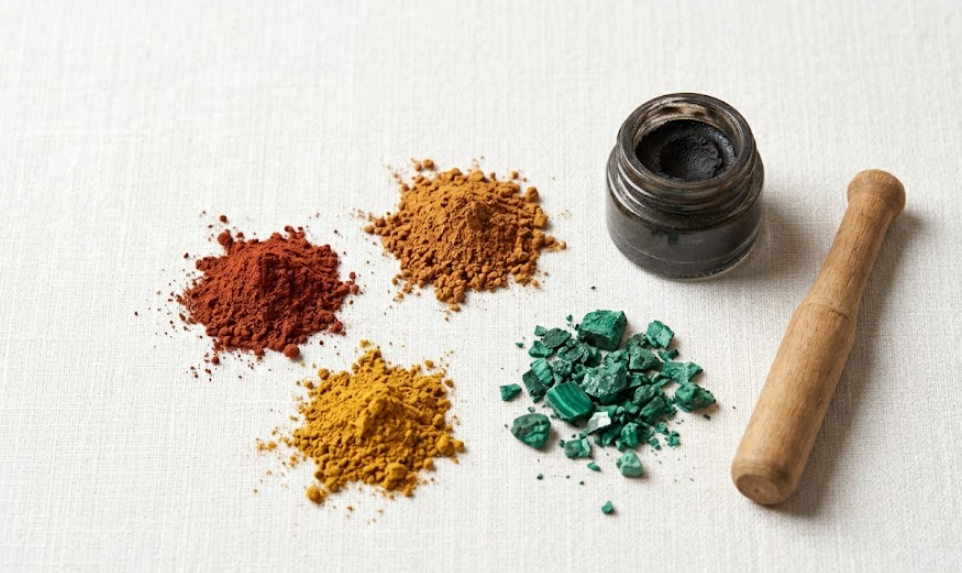
Natural pigments and mineral-based foundations in ancient cosmetics
The roots of ancient cosmetics sit firmly in the ground—literally.
- Raw Material Sources
- Natural pigments
- Ochre for red and yellow tones
- Copper minerals for green-blue hints
- Eye enhancers
- Kohl blends
- Trace elements like lead (later abandoned)
- Natural pigments
- Functional Evolution
- Early skin shields → primitive mineral foundations
- Loose powders → pressed base products in modern make up
| Material | Primary Use in Early Makeup | Modern Safety Status |
|---|---|---|
| Ochre | Skin tinting | Approved mineral use |
| Kohl | Eye lining | Reformulated safely |
| Lead | Whitening effect | Prohibited |
| Copper | Pigment additive | Regulated levels |
Today’s foundation formulas, including those developed by Topfeel Beauty, still echo these mineral foundations—just cleaner, safer, smoother for daily beauty make up routines.
How early creams and sticks influenced blush and concealer formulas
Ancient texture play changed face make up forever.
- Base Components
- Early creams
- Animal fats
- Plant extracts
- Stick formulas
- Natural waxes
- Blended oils
- Early creams
- Texture Science Shift
- Thick pastes → balanced emulsions
- Balm sticks → glide-on blush and concealer
- Modern Impact on Makeup
- Portable sticks for on-the-go make-up
- Cream-to-powder hybrids
- Bulk filling systems improving production speed
This creamy-to-solid journey shapes how concealer hides late nights and how blush warms the face in seconds. Brands refine these wax–oil ratios for smoother payoff without drag, keeping custom solutions practical but never boring.
The role of hypoallergenic and paraben-free ingredients in makeup evolution
Skin drama pushed innovation hard.
- Problem Triggers
- Skin sensitivity
- Reactions to heavy preservatives
- Exposure to common allergens
- Ingredient Reform Path
- Removal of harsh metals
- Rise of hypoallergenic ingredients
- Demand for paraben-free labels
- Shift toward natural alternatives
- Industry Outcome
- Safety testing as standard
- Transparent labeling
- Custom OEM beauty solutions
Modern makeup evolution is tied to trust. Clean beauty make up isn’t just hype; it grew from real irritation issues centuries ago. That same mindset guides Topfeel Beauty in creating private-label cosmetics that respect sensitive skin while keeping performance strong.
5 Stages Of Makeup Invention Evolution
From crushed minerals to lab-tested formulas, makeup has always been about self-expression and smart chemistry. The story of make up isn’t just beauty gossip; it’s real innovation. This glow up of cosmetic craft shows how face makeup, lip color, and eye makeup shaped modern beauty culture—and today’s booming makeup industry.
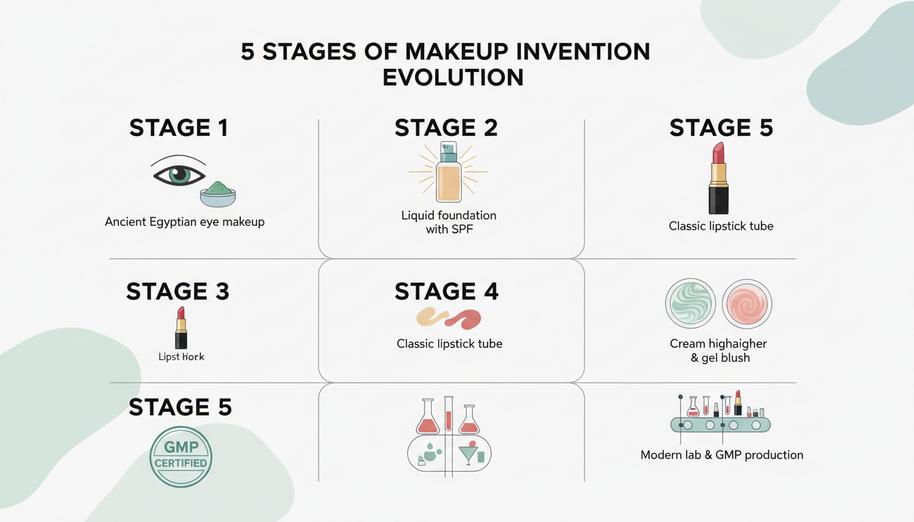
Stage 1: Powdered eyeshadow and mascara in ancient Egypt
In ancient Egypt, early powdered eyeshadow and mascara defined cosmetic history and early makeup rituals.
- Materials
- Mineral pigments like kohl
- Crushed malachite for eye makeup
- Natural binders for adhesion
- Purpose
- Spiritual protection
- Status display
- Sun glare reduction
- Influence on modern makeup
- Palette design
- Pressed powder technology
- Quality testing standards
This wasn’t random beauty play. It shaped how today’s eyeshadow and mascara products are milled, pressed, and safety-checked.
Stage 2: Liquid foundations and early SPF formulations
The shift to liquid foundation changed daily make up routines.
- Texture evolution
- Oil-based blends
- Emulsion systems
- Lightweight fluid makeup base
- Protection focus
- Early SPF trials
- Basic sun protection
- Rise of skincare-infused cosmetic science
- Packaging upgrades
- Glass bottles
- Pump dispensers
- Controlled dosage systems
Modern formulations now balance coverage, comfort, and protection in one smooth makeup layer.
Stage 3: Introduction of lipsticks in tubes and sticks
The leap from pots to lipstick in tubes and sticks made lip color portable.
- Packaging shift
- Metal sleeves
- Twist-up sticks
- Compact cosmetic packaging
- Retail expansion
- Department counters
- Drugstore shelves
- Online makeup shops
- Application ease
- Precise makeup application
- Cleaner storage
- Mass appeal
Lipstick became everyday glam, not just special-occasion paint.
Stage 4: Cream highlighters and gel blush innovation
Texture changed face makeup energy.
- Base technology
- Emollient-rich cream highlighter
- Water-based gel blush
- Flexible polymers
- Performance goals
- Blendable finish
- Skin-like glow
- Long wear
- Beauty innovation impact
- Multi-use sticks
- Layer-friendly makeup systems
- Faster cosmetic development cycles
These textures made highlighter and blush looks effortless, not cakey.
Stage 5: Modern private-label cosmetics: custom formulations and GMP certified production
Today’s private label cosmetics scene runs on precision.
- Manufacturing standards
- GMP certified facilities
- ISO-guided cosmetic manufacturing
- Strict quality control
- Product development flow
- Concept → lab sample
- Stability testing
- Scalable bulk production
- Business models
- OEM partnerships
- ODM innovation
- Custom formulations for niche makeup brands
Brands support fast, compliant beauty industry growth with tailored product development and reliable cosmetic manufacturing. For startups building a new makeup line or established labels refreshing their make up range, oemodm partners help turn ideas into shelf-ready makeup products without cutting corners.
Why Early Makeup Practices Shaped Modern Private-Label Cosmetics
From ancient kohl jars to sleek e-commerce palettes, makeup has always mixed art with process. Early beauty rituals shaped how cosmetics are blended, stored, and sold today. Even modern private-label makeup lines still echo those old-school habits, just with sharper tools and bigger markets.
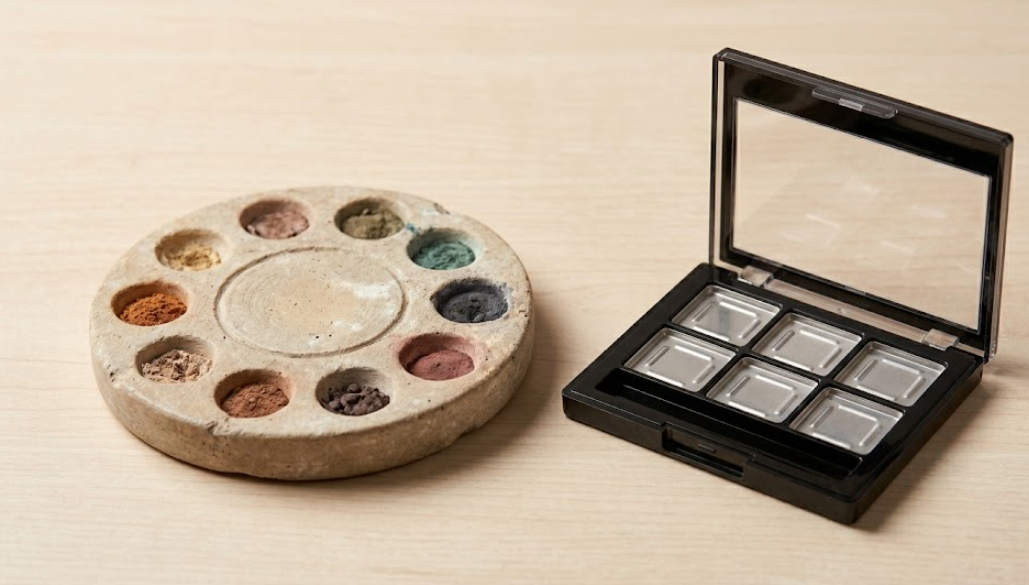
Lessons from ancient compacts and palettes for e-commerce mass market
- Ancient Packaging Logic
- Material durability
- Stone and metal casings protected powdered makeup from heat.
- Tight lids reduced contamination in early cosmetics.
- Portability
- Small palm-sized compacts inspired today’s travel-friendly beauty kits.
- Material durability
- Modern E-commerce Translation
- Product stability
- Shock-resistant cases for foundation and blush during shipping.
- Sealed pans for eye shadow to prevent breakage.
- Visual appeal
- Clean layout for online display.
- Clear shade labeling for mass market cosmetics.
- Product stability
- Private-Label Impact
- Standardized pan sizes.
- Refillable palette systems.
- Bulk production aligned with online beauty demand.
How cruelty-free and vegan standards trace back to early makeup principles
- Plant-Based Origins
- Mineral pigments.
- Botanical dyes.
- Oil-based binders.
- Modern Ethical Framework
- Ingredient sourcing
- Certified vegan raw materials.
- Traceable plant extracts.
- Retail positioning
- Cruelty-free labeling in specialty beauty stores.
- Alignment with Halal certified and organic cosmetics standards.
- Ingredient sourcing
- Consumer Trust Loop
- Clean formula messaging.
- Transparent testing policies.
- Simple, honest makeup claims.
OEM and ODM practices inspired by historical quality control methods
- Ritual to Regulation
- Measured grinding of pigments.
- Controlled drying times.
- Consistent shade matching.
- Modern Manufacturing SystemsCompliance Evolution
- OEM structure
- Formula replication accuracy.
- Batch documentation.
- ODM development
- Custom color cosmetics design.
- Stability testing for long-wear makeup.
- OEM structure
-
- Alignment with FDA compliant production.
- Certification under Ecocert guidelines.
- Documented inspection trails for global beauty markets.
FAQs
How did ancient mineral cosmetics shape modern foundation formulas?
Ancient rituals still echo in daily routines. Hands once ground minerals for protection and beauty; hands now test shades under studio lights.
- Mineral-based roots live on in foundation across powder, liquid, and cream forms.
- Modern private label labs blend SPF and hypoallergenic care for real skin stories—acne-prone, sun-exposed, time-worn.
- Bottles and pumps feel simple, yet carry centuries of trust into mass market and department store counters.
Why do paraben-free and hypoallergenic standards matter to large buyers?
Buying at scale is personal when customers talk back. Returns, reviews, skin reactions—each one counts.
- Paraben-free, fragrance-free, vegan choices calm fear for sensitive users of concealer, mascara, and blush.
- Easier paths through FDA compliant rules and ISO 22716 checks reduce stress for sourcing teams.
- Clean labels help brands speak gently in drugstore aisles and fast-moving e-commerce feeds.
Why are cruelty-free and vegan rules central to custom makeup lines?
Behind every palette is a choice about care. Animals, workers, end users—all feel the outcome.
- Cruelty-free and vegan claims support custom formulation across lipstick, highlighter, and eyeshadow.
- Certifications guide the promise: GMP certified, Halal certified, organic certified, Ecocert.
- OEM and ODM teams translate ethics into repeatable quality control during bulk production for specialty retail and salons.
Why does packaging decide success in private-label makeup launches?
A cracked compact can break a brand’s heart. Good packaging protects more than product—it protects reputation.
| Human need | Packaging response | Makeup examples |
|---|---|---|
| Easy use | Tubes, sticks | concealer, blush |
| Safe travel | Compacts, palettes | eyeshadow, highlighter |
| Clean dosing | Bottles, jars, pumps | liquid foundation, gel blush |
Strong packaging keeps makeup calm through shipping, confident on shelves, and ready for real hands in salon professional and e-commerce spaces.
References
- History of Cosmetics – Britannica – britannica.com
- Kohl: Ancient Egyptian Beauty with Benefits – American Research Center in Egypt – arce.org
- Safety of Mineral Pigments in Cosmetics – National Center for Biotechnology Information – ncbi.nlm.nih.gov
- What Is Hypoallergenic Skin Care? – Paula’s Choice – paulaschoice.com
- Paraben-Free Beauty Market Value Worldwide – Statista – statista.com
- ISO 22716:2007 Cosmetics – Good Manufacturing Practices – ISO – iso.org
- The History of Lipstick – Smithsonian Magazine – smithsonianmag.com
- The History of Sunscreen – Skin Cancer Foundation – skincancer.org
- Vegan Cosmetics Market Size & Share Report – Grand View Research – grandviewresearch.com
- Leaping Bunny Standard – Cruelty Free International – crueltyfreeinternational.org
- Cosmetic Labeling Guide and Regulations – FDA – fda.gov
- Natural and Organic Cosmetics Standard – Ecocert – ecocert.com
- The State of Fashion: Beauty 2024 – McKinsey – mckinsey.com
- Ancient Makeup in Egypt, Rome, and China – History – history.com
- How Cosmetics Are Made: Manufacturing Process – Cosmetics & Toiletries – cosmeticsandtoiletries.com
Post time: Mar-27-2026