
What Is the Difference Between Bronzer and Contour
The bronzer-vs-contour debate isn’t just makeup chatter; it’s where brands either cash in or miss the glow-up entirely, fast.
Topfeel engineers and product managers in 2025 stress bronzer builds warmth while contour shapes structure, each needing distinct undertones, textures, and finishes.
Miss that split, and your line looks confused; nail it, and customers grab both without hesitation today.
Reading Notes: bronzer-vs-contour Glow & Sculpt
➔ Add Warmth: Bronzer delivers sun-kissed radiance with golden or warm tones, enhancing complexion without altering shape.
➔ Sculpt Structure: Contour employs cool, matte shades to mimic natural shadows, defining cheekbones, jawline, and nose.
➔ Formula & Texture: Bronzers often shimmer or satin-finish for glow; contours stay matte for realistic depth.
➔ Placement & Blending: Sweep bronzer on high points (temples, cheeks) with a soft diffuse blend; place contour under cheekbones and jaw, blending precisely to avoid harsh lines.
What Does Bronzer-Vs-Contour Really Do?
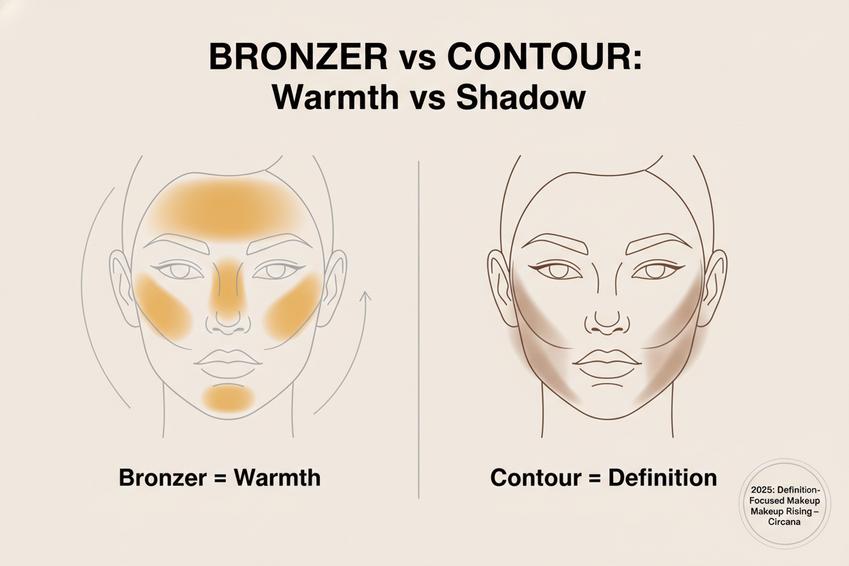
The whole bronzer-vs-contour debate isn’t just makeup talk—it’s about how you shape light on your face. When you break down bronzer vs contour, or even bronzer and contour, you’re really choosing between warmth and shadow. Let’s make it simple and practical.
Add Warmth and a Sun-Kissed Glow
At its core, bronzer-vs-contour starts with understanding what bronzer actually does. It adds warmth, soft glow, and that effortless sun-kissed vibe to your complexion without reshaping your facial structure.
-
Core Purpose
- Enhance natural skin tone
- Boost healthy-looking radiance
- Maintain a seamless, natural finish
-
Ideal Placement Zones
- Upper cheek area
- Temples
- Bridge of nose
- Jawline perimeter
-
Tone Selection Guide
- Light skin tone → soft honey warmth
- Medium → golden bronze
- Deep → rich amber or terracotta
| Skin Tone | Undertone Type | Bronzer Shade Family | Finish Effect |
|---|---|---|---|
| Fair | Cool | Soft beige bronze | Subtle glow |
| Medium | Neutral | Golden tan | Warm radiance |
| Deep | Warm | Copper bronze | Luminous depth |
In the bronzer vs contour routine, this is the “life” step. No harsh lines. No heavy shadow. Just believable warmth that makes you look like you stepped outside for ten minutes.
Topfeel formulates bronzers that melt into the complexion, giving that easy glow without turning orange—because in the bronzer contour conversation, tone accuracy matters.
Sculpt Facial Features with Strategic Shading
Now flip the script. In bronzer-vs-contour, contour handles the drama—soft, controlled shading that reshapes angles and highlights your bone structure.
Here’s how contour works in real life:
- It creates controlled shadow under cheekbones.
- It sharpens the jaw for cleaner definition.
- It subtly refines the nose bridge.
Think cooler undertones. That’s the secret. While bronzer warms, contour cools. The difference between bronzer and contour becomes obvious when you blend:
- Apply contour slightly below natural hollows.
- Blend upward, not downward.
- Keep edges diffused—no harsh stripes.
According to Circana’s 2025 U.S. prestige beauty report, sculpting products, including contour categories, continue steady growth as consumers prioritize “definition-focused” makeup looks over heavy coverage foundations.
“Consumers are leaning toward targeted enhancement products that shape and refine rather than mask,” notes Circana’s 2025 beauty market overview.
That’s exactly why bronzer vs contour isn’t a competition. It’s role-based. Contour handles structure; bronzer handles vibe.
Topfeel’s contour shades are built with cool-balanced pigments to enhance facial features without muddying the base—clean definition, zero chalkiness.
Create Dimension: Warmth vs Shadow
When people ask about bronzer-vs-contour, what they really want is dimension. Flat makeup feels off. Depth changes everything.
Here’s how dimension builds:
-
Layer Strategy
- Start with contour for shadow
- Add bronzer for warmth
- Blend where contrast meets
-
Why It Works
- Shadow pushes features back
- Warmth brings areas forward
- Balanced contrast enhances natural facial structure
-
Placement Harmony
- Contour under cheekbone
- Bronzer slightly above it
- Blend into one gradient
This is where bronzer and contour finally make sense together. Bronzer vs contour isn’t about choosing sides. It’s about pairing cool sculpting with warm glow so the face looks alive, not flat.
When done right, the mix of depth, contrast, and controlled warmth creates a lifted look that still feels like your real face—just upgraded.
4 Key Differences Between Bronzer and Contour
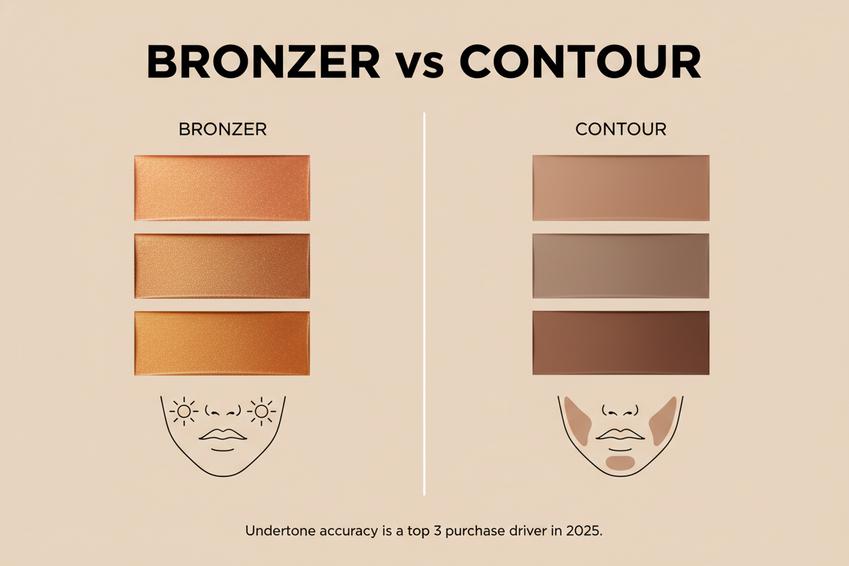
When people search bronzer-vs-contour, they’re usually trying to crack one simple code: warmth or shadow? Glow or structure? Here’s how bronzer vs contour really plays out on your face.
Formula & Texture Contrast
In the bronzer vs contour debate, formula changes everything.
- Bronzer formulas often come in powder, cream, liquid, or even gel textures.
- Contour products usually stick to matte finishes.
- Shimmer shows up more in bronzer than contour.
- Powder: easy to diffuse, soft-focus finish.
- Cream: skin-like, flexible texture.
- Liquid: sheer layers, glow control.
When comparing bronzer-vs-contour, texture decides vibe. Bronzer adds warmth with a satin or subtle shimmer glow. Contour keeps it low-shine, because real shadows don’t sparkle.
★ If it reflects light, it’s likely bronzer.
★ If it absorbs light, it’s probably contour.
Brands like Topfeel design both creamy and powder options so makeup artists can switch finishes without losing blendability.
Shade Depth and Undertone Variations
Shade choice is where bronzer-vs-contour confusion peaks.
- Bronzer = warm or golden undertone.
- Contour = cool, sometimes slightly gray.
- Depth depends on skin tone, not trend.
Multiple quick truths:
Warm brown with a hint of orange? That’s bronzer territory.
Muted taupe shade? Likely contour.
Neutral in-between? Could flex either way.
According to a 2025 McKinsey beauty report:
“Consumers are increasingly prioritizing undertone accuracy over brand loyalty, with shade matching cited as a top-three purchase driver in global color cosmetics.”
That explains why bronzer and contour palettes now offer wider depth ranges. Topfeel follows this shift, refining cool and neutral sculpt tones for realistic shadow effects.
Placement Areas on the Face
Placement settles the bronzer vs contour question fast.
- Temples
- Upper cheekbones
- High forehead
That’s bronzer territory.
Contour placement goes deeper:
- Under the cheekbones
- Along the jawline
- Sides of the nose
- Natural hollows of the face
Bronzer sits where sun would naturally hit. Contour sits where bone structure casts shadow. Mix them up and your bronzer-vs-contour result can look muddy instead of sculpted.
Blending Techniques and Finish
Blending defines the finish.
- Bronzer uses wide, fluffy brush strokes for a diffused glow.
- Contour calls for tighter technique and controlled blending.
Multi-step rhythm for clean results:
- Lay product lightly.
- Blend upward for lift.
- Soften edges until seamless.
- Check symmetry.
Bronzer should look natural, almost accidental. Contour should look sculpted, yet not harsh.
In the bronzer-vs-contour conversation, it’s less about rules and more about intention. Warmth frames the face. Shadow shapes it. When both finishes work together, the result feels balanced, not overdone.
Compact Bronzer Vs Liquid Contour
Trying to decode bronzer-vs-contour can feel like choosing between coffee and espresso—same family, totally different vibe. In the ongoing bronzer vs contour debate, it really comes down to warmth or shadow, glow or structure. Let’s break down compact options and liquid sculpting so your bronzer-vs-contour routine actually makes sense.
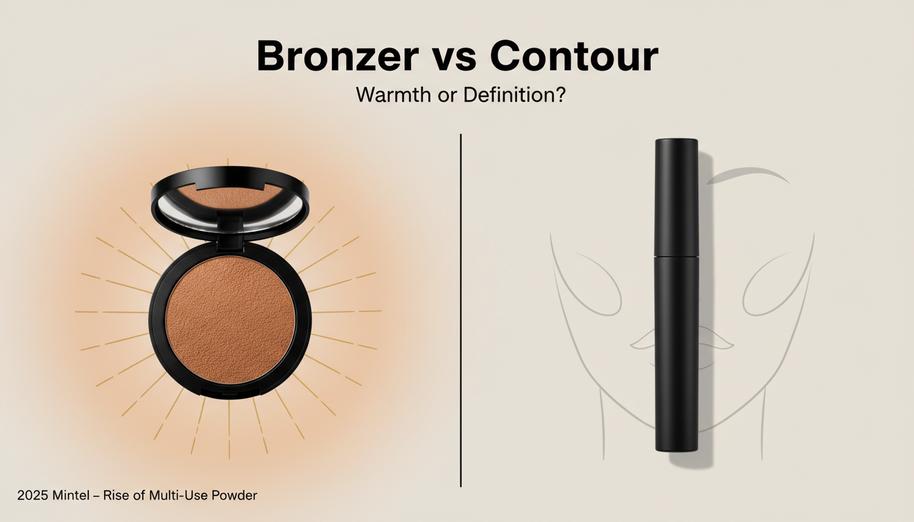
Compact Bronzer
When people talk about bronzer-vs-contour, the powder compact often wins for ease. A pressed compact bronzer slips into your bag and works fast with a fluffy brush, giving instant warmth and that soft sun-kissed tone.
Here’s how compact bronzer plays out in real life:
- Adds natural glow in seconds
- Comes in matte or light shimmer finishes
- Easy to layer without looking heavy
- Sweep lightly across temples.
- Dust over cheeks where the sun would hit.
- Blend down toward the jaw for balance.
For those comparing bronzer vs contour daily, compact bronzer shines in grouped uses:
-
Everyday Wear
- Light matte bronze for school or office
- Subtle shimmer for casual brunch
-
Quick Fix Moments
- Tap over faded foundation
- Refresh sun-kissed warmth after long hours
★ Best for beginners who want warmth without sharp lines.
A 2025 Mintel beauty report noted that consumers are leaning toward “multi-use powder products that deliver natural warmth with minimal steps,” reflecting why compact bronzer remains strong in the bronzer-vs-contour conversation.
Topfeel’s compact powder bronzers are designed with finely milled texture, so the glow builds smoothly instead of turning patchy. In bronzer-vs-contour decisions, this option feels effortless and forgiving.
Liquid Contour
Now switch gears in the bronzer-vs-contour debate. Liquid contour, often blended like a cream, focuses on sculpting and sharp definition rather than warmth.
Think in layers:
-
Face Structure Focus
- Under cheekbones for a subtle shadow
- Along jawline for a more chiseled edge
-
Finish Control
- Sheer blend for daytime
- Layered depth for evening drama
Application flows like this:
- Dot small amounts where natural shadow falls.
- Use a dense brush or sponge to blend upward.
- Build slowly to avoid harsh lines.
Compared to bronzer vs contour powder options, liquid formulas melt into skin. The result? Skin-like finish, sharper definition, and longer wear.
In the bronzer-vs-contour matchup, liquid contour suits those who want visible structure. Topfeel’s liquid sculpting formulas balance pigment and blend time, giving controlled sculpting without streaks.
So when choosing bronzer-vs-contour, ask yourself: craving cozy warmth, or chasing sleek shadow? Both have their moment.
Bridal Makeup: Bronzer-Vs-Contour Balance
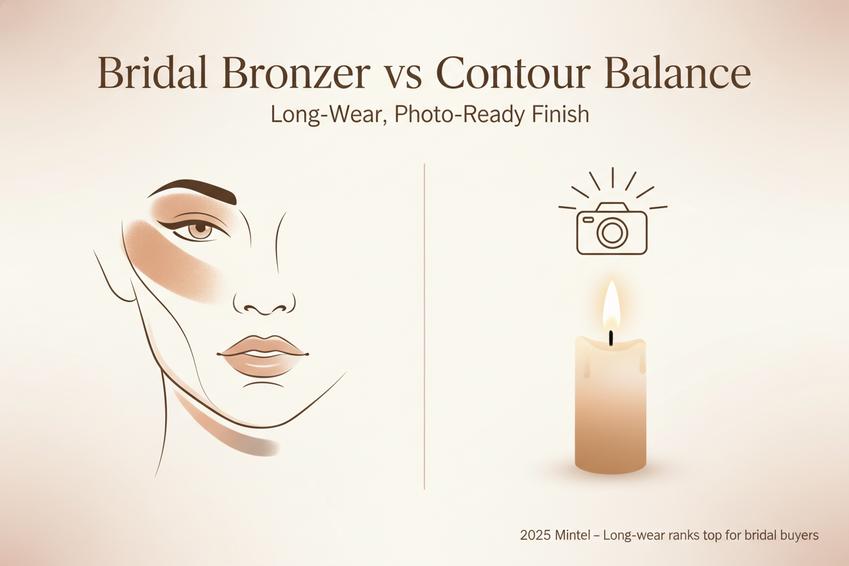
Bridal glam hits different. The whole bronzer-vs-contour conversation isn’t just makeup chatter—it decides how your face reads in daylight, candlelight, and camera flash. When bronzer vs contour is balanced right, you get warmth, shape, and that effortless glow that still feels like you.
Soft Daylight Application for Ceremonies
Natural light is honest. It catches harsh edges fast, so the bronzer-vs-contour balance here leans soft and breathable.
- Choose a lightweight formula with a sheer finish
- Use brush application for soft blending
- Aim for a fresh daytime glow
- Start with bronzer and contour mapped lightly along cheekbones.
- Blend outward for subtle definition.
- Check symmetry in real natural light before setting.
When approaching bronzer vs contour for ceremonies, keep it airy:
- Warmth sits slightly above contour.
- Edges stay diffused.
- Shine stays controlled but skin-like.
For artists working with Topfeel, consider this flow:
-
Base refinement
- Hydrate
- Spot conceal
-
Sculpt phase
- Light contour under cheekbone
- Soft bronzer along temples
-
Finish
- Cream highlight tap
- Micro-setting on T-zone
The idea isn’t drama. It’s quiet polish. A good bronzer and contour combo should whisper structure, not shout it.
Long-Wear Strategies for Reception Photos
Receptions bring heat, hugs, and flash photography. The bronzer-vs-contour dynamic must survive it all.
- Lock in cream with powder.
- Choose a waterproof formula where needed.
- Keep layers buildable coverage, not heavy.
- Apply cream bronzer and contour first.
- Press matching powder with a small brush.
- Seal with setting spray in thin veils.
For lasting performance:
-
Product choice
- Long-lasting pigments
- Smudge-proof finishes
-
Lighting prep
- Blend for flash photography
- Avoid thick powder finish buildup
-
Touch-up kit
- Mini bronzer
- Precision contour brush
A 2025 beauty retail insights report from Mintel noted that long-wear, photo-ready claims rank among the top purchase drivers for bridal consumers.
“Durability under varied lighting conditions is now a baseline expectation for event makeup buyers,” Mintel Beauty & Personal Care Report, 2025.
That’s why bronzer-vs-contour layering matters. Topfeel formulas are designed to grip without caking, keeping bronzer vs contour balanced from vows to last dance.
Harmonizing Warmth and Definition for Wedding Portraits
Portrait photography exaggerates everything. The bronzer-vs-contour equation must feel seamless from every angle.
- Enhance facial dimension
- Respect warm undertones
- Maintain a balanced look
- Map shadow placement slightly higher for lift.
- Blend bronzer into contour edge for smooth transition.
- Add controlled highlighting for a radiant glow.
For precision:
-
Cheek structure
- Contour under bone
- Bronzer above for warmth
-
Jaw refinement
- Light sculpt
- Diffused blending
-
Temple sculpting
- Circular buffing
- No harsh lines
Bronzer and contour should move as one. In bronzer-vs-contour styling, warmth supports shape. Shape supports glow. When done right, bronzer vs contour doesn’t compete—it complements.
With thoughtful sculpting techniques, careful blending, and dependable textures like those from Topfeel, brides get softness plus structure. That sweet spot in the bronzer-vs-contour balance? That’s what photographs like a dream.
References
- Makeup Trends – Allure
- How to Apply Bronzer – Glamour
- How to Contour Face Makeup Guide – Vogue
- Best Bronzers – Byrdie
- Best Bronzer – Elle
- Contouring Hacks – Cosmopolitan
- Beauty Industry – Circana
- Best Cream Bronzers – Marie Claire
- The Beauty Market in 2023 – McKinsey
- Global Beauty Trends – Mintel
- Best Waterproof Makeup – Allure
- Best Setting Sprays – Teen Vogue
- Wedding Makeup Tips – Brides
- Best Bronzers – Harper’s Bazaar
Post time: Jun-03-2026