
Skin Tone and Makeup Trends 2026: What Private Label Beauty Brands Should Know
When a makeup shade looks wrong, the problem is not always depth. Undertone and finish also matter. A foundation may be light enough but too pink, while a bronzer may be deep enough but too orange.
This is why skin tone and makeup have become an important product development topic for beauty brands. In 2026, consumers are showing interest in skin-like complexion products, diffused blush, blurred lips, and wearable eye color.
For private label brands, the opportunity is not simply to launch shades. Build a collection in which depth, undertone, finish, and pairing make sense.
Soft Matte Skin Is Returning, but It Looks More Natural
The beauty market is moving away from a heavy, dry look.
The new direction sits between traditional matte foundation and a glowing skin tint, with a lighter, more diffused look. Recent spring trend coverage connects soft complexion makeup with watercolor color and color-washed lids.
For a private label complexion collection, this can translate into:
- Lightweight or buildable foundation
- Medium coverage that can be applied in thin layers
- Soft matte concealer for targeted coverage
- Natural finish skin tint for customers who prefer less coverage
- Cream blush and bronzer that bring dimension back to the face
The important step is comparative testing. Review soft matte formulas across skin tones, skin conditions, and lighting before finalizing the range. A light makeup product direction can help define daily coverage.
Shade Development Has to Start with Undertone
Inclusive makeup is not created by adding deeper shades at the end. It starts with a structure that fits the target market.
Skin depth is usually described as fair, light, medium, tan, deep, or very deep. Undertone adds warm, cool, neutral, golden, olive, peach, or red. Similar depth can still require different foundation shades.
This matters because two customers with a similar depth may still need different foundation shades. Treat swatches and model selection as product development, not only ecommerce content. A recent facial shade guide study provides context.
For B2B makeup buyers, the shade brief should answer:
- Which countries or regions will the collection serve?
- Which skin depths are most common among the target customers?
- Are undertones balanced across the full range?
- Do the shades remain natural after blending?
- Are swatches available on several different skin tones?
The last question matters online. Product pages need clear shade names, undertone descriptions, and real-complexion swatches. Color matching and formula development can turn the brief into samples.
Make shade logic easier to buy: A shade system works harder when depth, undertone, swatches, and finish are planned as one customer-facing decision. Topfeel Beauty documents color matching and custom formulation for foundations, lip color, and eye makeup.
Review a liquid foundation route to compare a complexion brief, sample requirements, and the evidence your team needs before choosing the core range.
Blush Is Becoming More Important to the Complexion Story
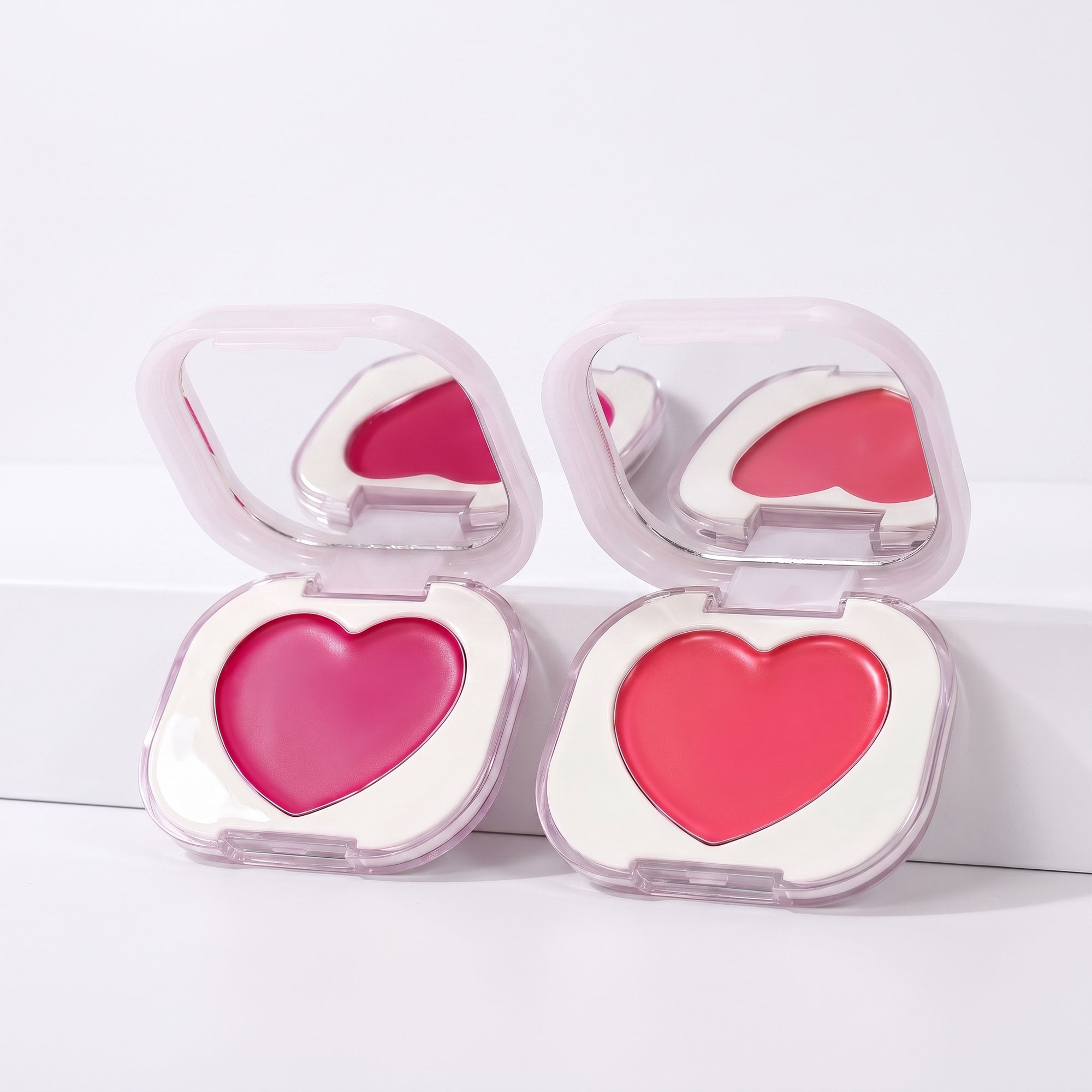
Blush is more than a finishing step. It can determine the balance of a full look. 2026 coverage highlights watercolor blush, diffused color, and higher placement. Who What Wear’s 2026 blush coverage describes sheer liquid and gel textures.
Watercolor blush keeps the edge sheer while the center carries more color. Cream, gel, liquid, and balm textures can support it. Shade planning must account for visibility: pale pink may need more contrast on deeper skin. Rose, berry, terracotta, brick, plum, and warm coral broaden choice.
For a finished makeup brand, a compact blush range may include:
- A soft pink or peach for lighter complexions
- A rose or mauve shade for medium and tan complexions
- A berry, terracotta, or brick shade for medium to deep complexions
- A deeper plum or warm red option for very deep complexions
This does not mean each shade belongs to only one skin tone. It means customers need enough contrast and undertone options to choose a shade that remains visible after blending. A cream blush product range can help buyers compare texture and color direction, while earlier blush trend guidance offers an application reference.
Blurred Lips Are a Strong Alternative to High-Gloss Makeup
Gloss remains relevant, but 2026 coverage gives more attention to blurred lips: soft edges, concentrated center color, and a less graphic outline. Allure’s blurred-lip report describes a diffused French and Korean-inspired flush. Vogue’s 2026 coverage links diffused lip and cheek color with soft matte.
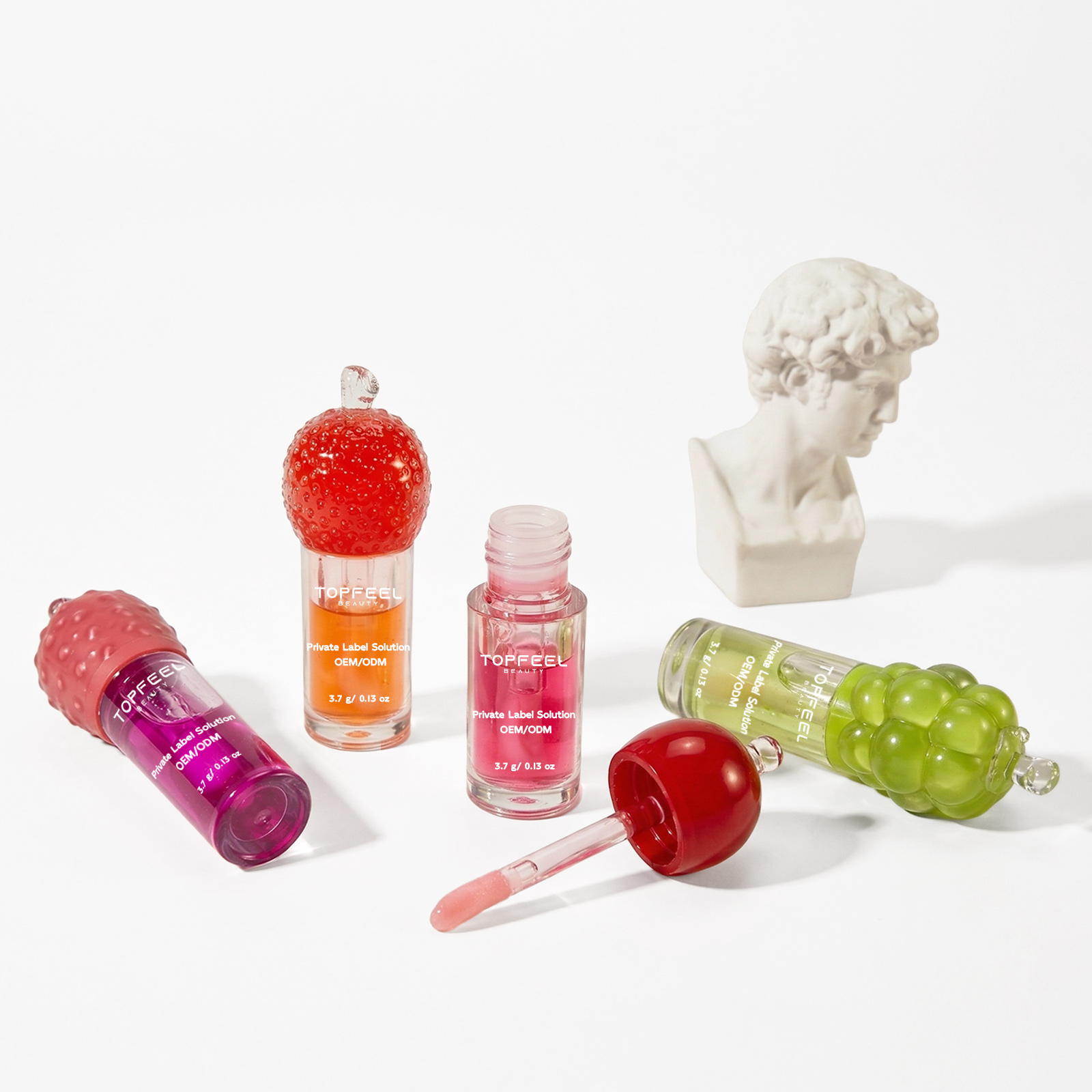
This is relevant to private label development because the trend works well with simple, easy-to-use formats:
- Lip stains
- Soft matte lip creams
- Lip and cheek mousse
- Cushion lip products
- Tinted lip balms
- Lip liner stains
Color selection should reflect different complexions. A universal nude is rarely universal, so brands can build rose, peach, caramel, cocoa, mauve, berry, brick, and soft red families.
Define whether color is sheer, buildable, or highly pigmented. A soft stain may need more pigment for deeper lips, while a highly pigmented formula may need lighter application. A lip liner and lipstick comparison guide can support the merchandising conversation.
Colorful Eye Makeup Is Returning to Everyday Beauty
Complexion makeup is becoming more natural while eye makeup becomes more expressive. 2026 reporting points to color-washed lids, micro liner, pastel shades, metallic details, and soft shimmer. ELLE’s spring trend coverage describes transparent color and soft focus.
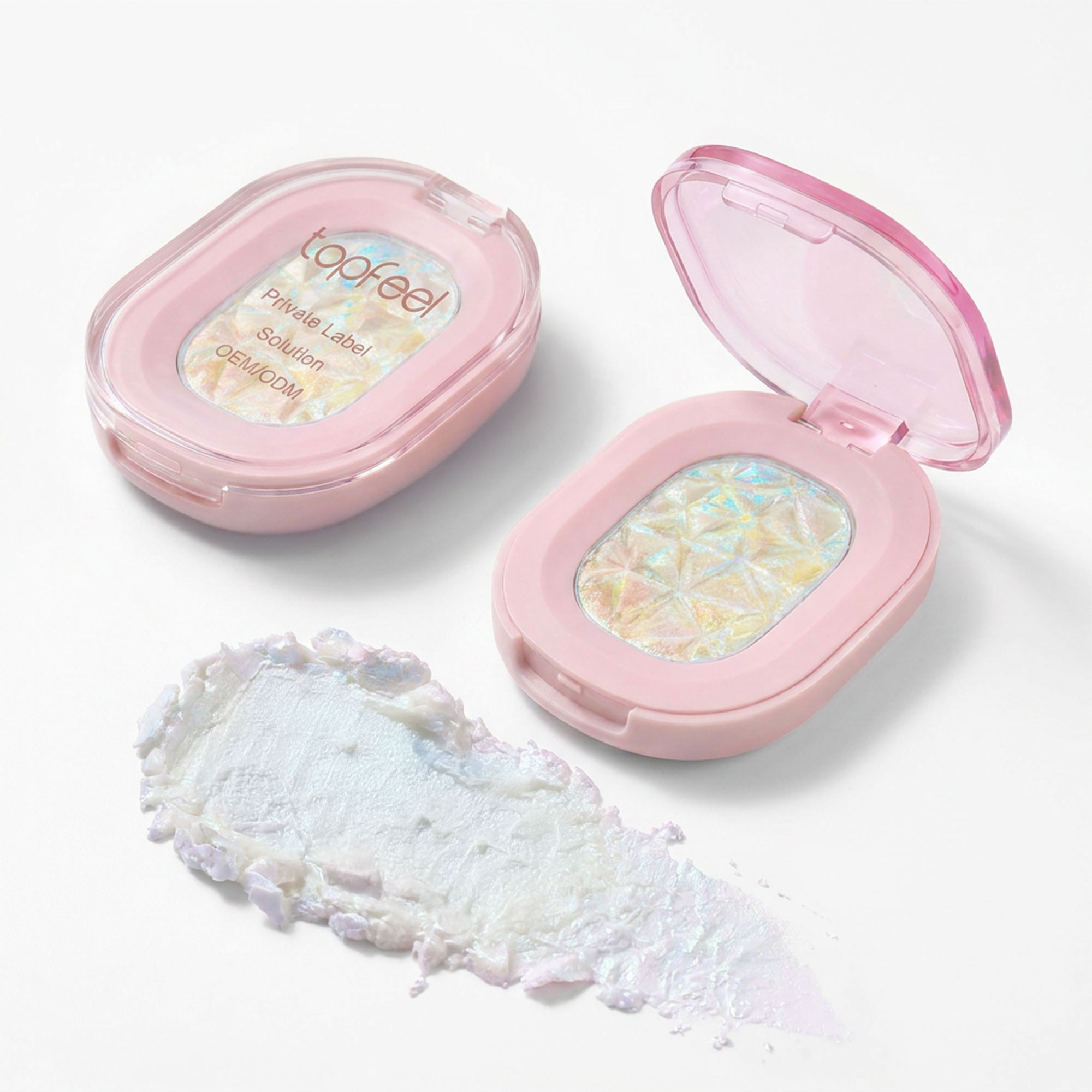
This does not require a large palette. A smaller edit can be easier to position and use:
- Cream eyeshadow sticks
- One-swipe liquid eyeshadow
- Fine-tip colored eyeliner
- Soft shimmer toppers
- Small palettes built around mauve, blue, lilac, taupe, or berry tones
Colorwashed makeup can work with a skin-first base. A sheer wash adds personality without making the whole face look heavily made up. Current 2026 makeup trend reporting can help separate a timely accent from a permanent core product.
Skin-First Makeup Still Has the Broadest Daily Appeal
Matte and colorful products do not remove the need for lightweight makeup. Consumers want products that are quick to apply and comfortable during the day. Foundation ranges, skin tints, serum foundations, tinted balms, cream bronzers, and multi-use color products can fit that routine.
For brands, separate product claims from positioning. Use terms such as lightweight, buildable, sheer, soft matte, or dewy only when supported by testing and formula information. Skincare benefits and performance claims need product documentation. In the United States, claims must be truthful and not misleading; FDA guidance on cosmetic claims is a useful checkpoint.
What These Trends Mean for a B2B Makeup Collection
The market is not asking every brand to follow one makeup look. It is asking brands to offer choice without confusion. A practical assortment could include:
- A foundation or skin tint range with a clear undertone system
- A concealer collection that supports the core complexion shades
- Cream or liquid blush in colors that remain visible across different complexions
- A neutral and warm bronzer selection rather than one orange-toned shade
- Blurred lip stains in several nude, rose, berry, and red families
- One or two colorful eye products for trend-led launches
The final mix should fit the target market, channel, price position, and order volume. A focused range may be more practical than similar colors. A multi-use color cosmetics guide can help evaluate one product serving more than one routine.
Turn trends into a range: A focused face, lip, and eye assortment needs one coordinating brief.
Topfeel Beauty documents a one-stop service linking formula development with packaging design and quality control. Explore custom solutions to compare formula, shade, finish, and packaging decisions in one route.
Prepare a Better Private Label Makeup Brief
Before requesting samples, a buyer should define:
- Target customer and sales region
- Product category and desired coverage
- Finish, texture, and application method
- Foundation depth and undertone structure
- Blush, bronzer, lip, or eye color direction
- Packaging format and decoration requirements
- Target retail price
- Sample testing plan
The sample stage should include people with different skin depths and undertones. Review shade appearance, blendability, finish, comfort, wear, and photography under likely customer conditions. Keep claims and artwork aligned with formula documentation; the FDA cosmetics labeling guide explains why wording belongs in the checklist.
Final Takeaway
The most useful 2026 strategy is not based on chasing every viral look. It combines shade planning with current finishes and formats.
Soft matte complexion products, undertone-led shades, watercolor blush, blurred lip stains, and selected colorful eye products can work together in one clear collection. Develop each product around a customer need, then test the range on different complexions and under realistic photography conditions.
For private label beauty brands, the next step is a brief covering formula, shade, finish, packaging, claims, and samples. Product documentation should make the handoff from concept to production easier.
Move from trend brief to samples: The final brief should connect shade architecture, complexion and color formats, packaging, claims, and testing conditions. Topfeel Beauty documents initial color-cosmetics samples in about 3-7 days, giving the team a concrete point for planning the next review.
Submit your requirements through contact us to discuss the makeup brief and request sample recommendations.
References
- The Spring Makeup Trends of 2026 Are a Lesson in Art History — Allure
- The Blurred-Lip Trend Is 2026’s Answer to 2016 Matte Lipstick — Allure
- 2026 Makeup Trends — Marie Claire
- Soft, Diffused, Undone—Welcome to the Era of Blurred Makeup — Vogue
- The Spring Makeup Trends Set to Define the Season — ELLE
- It’s Official: This Spring’s Most Lovable Blush Trends Are Blurred, Romantic, and Borderline Painterly — Who What Wear
- Facial skin color assessment and proposed skin shade guide — PubMed Central
- Cosmetics Labeling Claims — U.S. Food and Drug Administration
- Cosmetics Labeling Guide — U.S. Food and Drug Administration
Post time: Sep-03-2026