
Setting Spray vs Powder: Which Finish Fits Your Target Consumer?
writing blockIn the beauty aisle, the showdown of setting spray vs powder isn’t cosmetic trivia; it decides what sells and what gathers dust. One locks in glow, the other kills shine, and shoppers pick sides fast.
For brands, split means strategy: match formulas, skin types, and finish goals or lose the cart. Smart lines cover both, with textures and packaging that hit margins and trends.
Key Points: setting spray vs powder Essentials
➔ Invisible Finish: Setting sprays use film formers for a dewy, light-reflecting veil, while powders rely on silica or talc to blur pores and mattify.
➔ Skin Compatibility: Choose sprays with humectants or glycerin for dry/dehydrated skin; opt for talc-free, mattifying powders or alcohol-based sprays for oily/combination types.
➔ Wear & Touch-Ups: Polymer-rich sprays lock makeup against sweat and humidity; pressed or loose powders in compact cases allow quick shine control and seamless blending on the go.
Setting Spray Vs Powder: The Secret To Flawless Finish
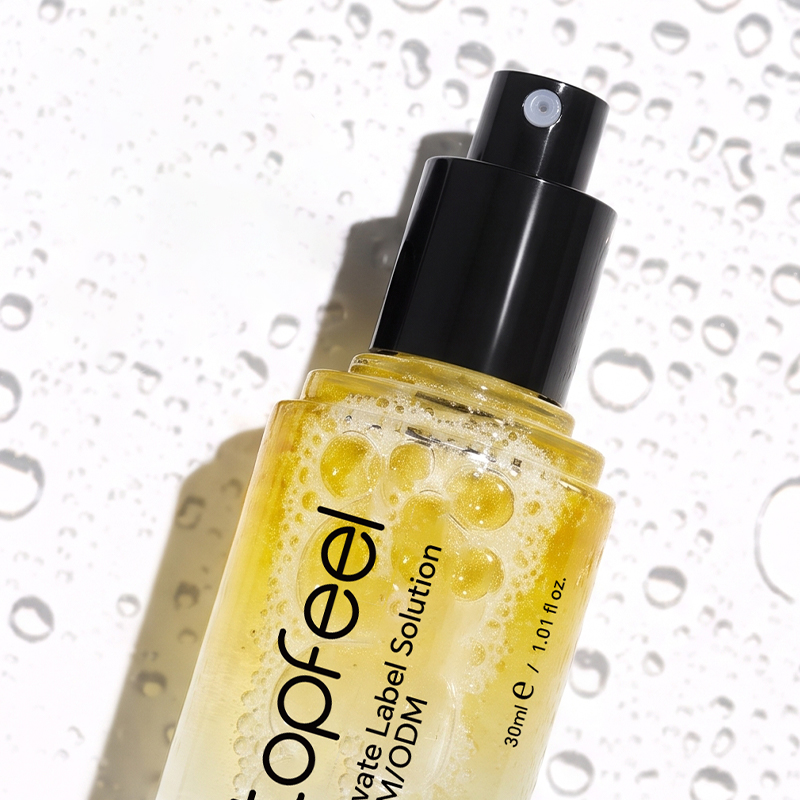
Figuring out setting spray vs powder can feel like picking sides, but it’s really about finish, feel, and wear. Let’s break down setting spray vs powder so your makeup sits right, stays put, and looks like skin.
Unlocking Invisible Finish: Fine Mist of Film Formers Versus Powder’s Silica Boost
-
setting spray vs powder comes down to how each builds an invisible finish
-
Spray route
- Uses fine mist with film formers
- creates flexible setting agents layer
- melts makeup for skin-like sheen
-
Powder route
- Uses silica and micro powder particles
- diffuses pores with blurring effect
- controls shine without weight
-
-
Quick compare for setting spray vs powder performance:
| Factor | Film-Former Spray | Silica Powder | Hybrid Use |
|---|---|---|---|
| Finish | Skin-like glow | Soft-matte blur | Balanced |
| Texture | Weightless mist | Featherlight dust | Layered |
| Best for | Dry/normal | Oily/combo | All skin |
| Effect time | Flexible set | Instant blur | Extended |
- When people say setting spray vs powder, they’re often chasing either melt-in or airbrushed. As a private label cosmetic manufacturer, Topfeel Beauty formulations lean into both paths with adaptable finishes.
Lightweight Feel Showdown: Breathable Aerosol Spray with Humectants vs Seamless Loose Powder
You want comfort that lasts, not makeup you feel at noon.
• Spray side: aerosol spray + humectants = breathable formula, soft hydration, zero cakey vibe.
• Powder side: ultra-fine loose powder = seamless application, barely-there grip, keeps T-zone calm.
Short takes on setting spray vs powder:
- mist = flexible, fresh, slightly dewy
- powder = smooth, controlled, softly matte
- both = legit lightweight when used right
Steps people actually follow:
- Apply base
- Light powder on oil zones
- Finish with mist for skin finish
That combo flips the usual setting spray vs powder debate into teamwork.
Smudge Resistance Face-Off: Extended Wear Mattifying Spray vs Translucent Talc Powder
-
Locking power in setting spray vs powder
-
Spray branch
- mattifying spray with polymers
- boosts smudge resistance
- supports extended wear in heat
-
Powder branch
- translucent powder with talc
- tightens oil control
- reduces transfer on contact
-
-
Where each wins
- Long events → spray anchors layers
- Oily zones → powder pins down shine
-
Smart pairing
- press talc powder on T-zone
- mist overall for makeup longevity
If setting spray vs powder still feels like a toss-up, treat it like layering tech: powder where oil spikes, spray where life happens.
Struggling With Shine? Try Setting Spray Vs Powder
Figuring out setting spray vs powder can feel like choosing between vibes—matte control or soft blur. In real life, your skin type, weather, and makeup style all matter. This guide breaks down setting spray vs powder with simple logic, so you can pick what actually works, not just what trends.
Oil Control Savior: Mattifying Spray Infused with Mattifying Agents
When talking setting spray vs powder, oily skin usually leans toward a mattifying spray. It’s built for oil control, fast shine reduction, and steady sebum control without caking.
-
Quick hits:
- fine mist = even matte finish
- lightweight facial mist feel
- locks makeup without heaviness
A simple routine helps:
- Apply base makeup
- Hold spray 20–25 cm away
- Mist in an X + T motion
- Let dry—don’t touch
Nested logic for better results:
-
Skin state
- oily → go heavier on mattifying agents
- combo → target T-zone
-
Climate
- humid → double layer
- dry heat → lighter pass
“Oil-control formats, especially sprays, are seeing rising adoption among Gen Z consumers seeking long-wear matte finishes,” notes a 2025 Mintel beauty report.
In the setting spray vs powder debate, sprays win when shine keeps breaking through midday.
Pore-Minimizing Touch: Pressed Powder with Silica for Smooth Application
Pressed options shift the setting spray vs powder conversation toward texture. A good pressed powder with silica creates a soft-focus blurring effect, improving skin texture instantly.
Small but useful breakdown:
- tap, don’t swipe
- focus on pores and fine lines
- build slowly for makeup setting
Deeper layering approach:
-
Base layer
- light dusting → sets foundation
-
Precision layer
- under eyes, nose → extra pore minimizing
-
On-the-go
- compact touch-ups
Here’s a quick comparison snapshot:
| Feature | Pressed Powder | Loose Powder | Spray |
|---|---|---|---|
| Finish | Soft matte | Airy matte | Skin-like |
| Portability | High | Low | Medium |
| Blur level | Strong | Medium | Low |
Topfeel Beauty designs formulations that balance blur without dryness, keeping the setting spray vs powder choice flexible rather than rigid.
Hydration Boost Alternative: Glycerin-Loaded Finishing Mist for Dry Skin
If your skin hates that tight feeling, setting spray vs powder flips completely. A finishing mist with glycerin brings a real hydration boost, leaving a soft dewy finish.
Think in layers:
-
prep
- hydrate base first
-
set
- light powder only where needed
-
finish
- mist for skin comfort and glow
Micro-adjustments matter:
- flaky spots → skip powder
- dull look → add mist
- long day → re-mist instead of re-powder
This is where setting spray vs powder becomes less of a battle and more of a combo strategy. Topfeel Beauty leans into this balance, offering options that keep dry skin fresh without sacrificing hold.
Hydrating Spray Vs Translucent Powder: Which Wins?
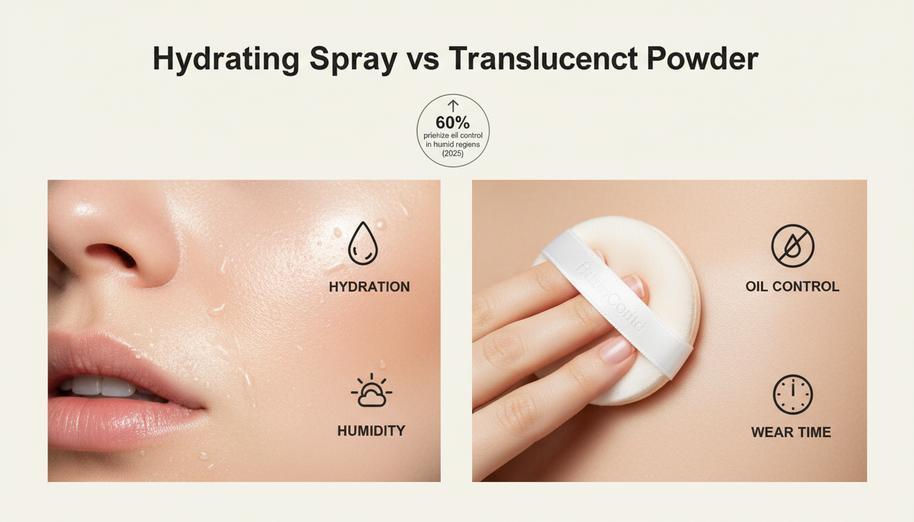
Finding your finish can feel like a mini beauty battle. In the ongoing setting spray vs powder debate, it’s not just preference—it’s skin type, climate, and vibe. This setting spray vs powder guide breaks it down so your makeup setting choice actually works.
Hydrating Spray
When people talk setting spray vs powder, this is where glow lovers lean in. A hydrating mist delivers Hydration and a soft Dewy finish through a light Liquid application, keeping Makeup setting flexible rather than stiff.
-
Core benefits:
- Boosts Skin refreshment
- Enhances Natural radiance
- Improves Longevity without heaviness
-
How it works in real life:
- Step A: Mist settles into foundation
- Step B: Film formers lock layers gently
- Step C: Skin keeps moving, makeup stays put
-
Nested use logic:
-
Skin type match:
- Dry → locks moisture, avoids flaking
- Mature → softens fine lines
-
Environment match:
- Indoor AC → prevents dehydration
- Mild climates → maintains glow
-
Style match:
- Glass skin → ideal
- Minimal makeup → perfect finish
-
-
Quick comparison snapshot:
| Feature | Spray Finish Level | Wear Time (hrs) | Comfort Score |
|---|---|---|---|
| Light Mist | Sheer glow | 6–8 | 9/10 |
| Medium Mist | Fresh satin | 8–10 | 8/10 |
| Layered Mist | Dewy glow | 10–12 | 7.5/10 |
For custom formulation, Topfeel Beauty leans into this category with breathable formulas that don’t feel sticky, keeping the setting spray vs powder conversation tilted toward skin comfort.
Translucent Powder
Now flip the script—setting spray vs powder isn’t complete without shine control. Powder brings that clean Matte finish, dialing down oil while Blurring pores and boosting Makeup setting precision.
-
What it delivers fast:
- Strong Oil control
- Visible Shine reduction
- Smooth Skin smoothing
-
Layered application logic:
-
Base stage:
- Foundation applied → slight tackiness remains
-
Setting stage:
- Press powder → absorbs oil via Absorption
- Sweep excess → maintains Fine texture
-
Finish stage:
- Optional mist → balances dryness
-
-
Where it wins:
-
Oily zones:
- T-zone → reduced midday shine
- Chin → less creasing
-
Climate:
- Humid weather → holds structure
- Hot days → limits breakdown
-
“Matte-setting products continue to dominate in high-humidity regions, with over 60% of consumers prioritizing oil control over glow finishes in 2025.” — Global Beauty Insights Report, 2025
As a cosmetics packaging supplier and manufacturer, Topfeel Beauty offers finely milled powders that keep the setting spray vs powder balance flexible—you can stay matte without looking flat.
In the end, setting spray vs powder isn’t a strict winner situation. It’s more like picking your finish mood: glow that breathes, or matte that behaves.
3 Key Benefits Of Setting Spray Vs Powder
When people compare setting spray vs powder, it’s rarely just hype—it’s about wear, feel, and finish. This quick guide breaks down spray vs powder, helping you pick what actually works day-to-day without overthinking your routine.
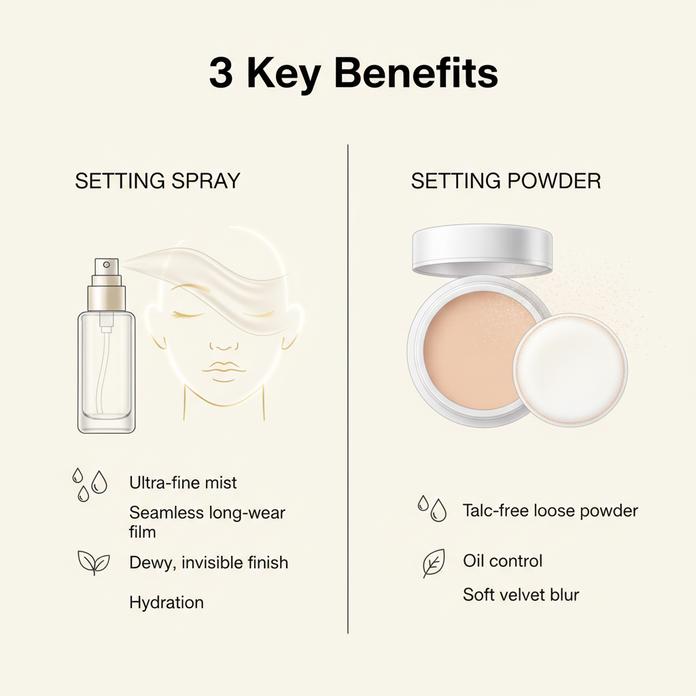
Benefit 1: Makeup Longevity through Polymer-Rich Aerosol Can Delivery
When it comes to setting spray vs powder, longevity often tips toward sprays built on polymer technology. A setting spray using aerosol delivery spreads evenly, creating a thin, flexible film that grips makeup without stiffness.
-
Core mechanism
-
Film creation
- film-forming agents bond lightly over foundation
- resist sweat, humidity, and facial movement
-
Even coverage
- spray application ensures no heavy patches
- reduces cracking compared to dense powder layers
-
- What you notice
- smoother blending after application
- fewer touch-ups through the day
- better hold of cream and liquid products
In real use, spray vs powder becomes obvious during long hours—commutes, heat, or events. A long-wear formula acts like a breathable seal rather than a dry coating. For brands exploring packaging options, quality aerosol deliveries refine this mist control, keeping the finish consistent from first spritz to final set.
Benefit 2: Invisible Finish with Lightweight Glycerin-Based Fine Mist
The feel of setting spray vs powder shifts dramatically when hydration enters the mix. A glycerin-based fine mist delivers a soft, lightweight formula that sits almost unnoticed on skin.
-
Why it looks natural
-
micro-droplets
- melt product layers together
- create a natural appearance instead of buildup
-
moisture balance
- adds a subtle hydration boost
- avoids that tight, over-matte look
-
Short takeaways:
• skin keeps a dewy effect without shine overload
• texture stays skin-friendly across dry or combo types
• no visible residue, just an invisible finish
“Post-2024 consumer panels show a clear shift toward lightweight, breathable setting formats that preserve skin texture rather than mask it,” notes a 2025 global beauty usage report.
In spray vs powder debates, this is where sprays win hearts—especially for everyday wear where comfort matters as much as hold.
Benefit 3: Transfer Proof Hold from Talc-Free Loose Powder
Now, setting spray vs powder isn’t one-sided. A good loose powder, especially talc-free, brings serious staying power when oil control is the priority.
-
How powder locks things in
-
absorption layer
- silica handles oil absorption
- keeps T-zone shine in check
-
surface refinement
- blurs texture for pore minimization
- creates a soft velvet finish
-
Step flow for best results:
- apply base products
- lightly set with matte setting powder
- press, don’t swipe, for smudge resistance
- optional: add spray on top for hybrid hold
This is where spray vs powder becomes a combo strategy. Powder excels at transfer-proof performance—think masks, phones, or long meetings. Topfeel Beauty supports custom OEM solutions with finely milled blends that avoid cakiness while still locking everything down.
In the end, setting spray vs powder isn’t a rivalry—it’s about choosing the right tool for the moment, or mixing both for a finish that actually lasts and feels good.
Summer Weddings: Spray Vs Powder Durability
Hot vows, sweaty dances, zero patience for makeup meltdowns—this is where the real setting spray vs powder debate kicks in. From dewy mist lovers to matte powder loyalists, picking the right combo keeps your face locked without looking heavy.
Humectants in Finishing Mist for Dewy Glow Under Heat
- Core idea: setting spray vs powder isn’t just matte vs glow; it’s hydration vs oil control.
- With Humectants in a Finishing Mist, your skin holds Hydration even under Heat.
-
Why it works
- a. Dewy finish stays flexible
- b. prevents cracking during long Summer ceremonies
-
How to layer
- a. base makeup
- b. mist lightly
- c. compare setting spray vs powder effects before adding more
-
Real-life tip
- a. for dry skin, spray beats powder in the setting spray vs powder matchup
- b. combo skin? mix both lightly
Topfeel Beauty develops custom mists for a breathable glow that doesn’t slide off mid-ceremony.
Alcohol Denat. Aerosol Spray for Quick Drying, Non-Caking Stay
When people argue setting spray vs powder, speed matters. Alcohol Denat. in an Aerosol Spray dries fast—like, seconds.
-
Quick perks:
- Quick Drying
- Non-Caking
- better Longevity
Then comes the breakdown:
- Spray locks everything
- Evaporation creates a light Matte film
- Finish stays smooth without piling
Compared to powder vs setting spray debates, this option wins for outdoor heat where time is tight and sweat shows up early.
Pressed Powder Compact Case for On-The-Go Touch-Ups
In the setting spray vs powder conversation, portability flips the script.
-
Daily carry logic
-
a. Pressed Powder in a Compact
- i. easy Touch-Ups
- ii. strong Oil Control
- iii. instant Matte reset
-
-
Reapplication flow
- a. blot
- b. tap powder
- c. avoid buildup
-
Why it still matters
- a. spray sets
- b. powder fixes shine later
Between powder vs setting spray, this is your rescue tool mid-reception.
Translucent Powder’s Pore-Minimizing Formula Against Humidity
The setting spray vs powder debate peaks in humidity.
-
Formula edge
-
a. Translucent Powder with Pore-Minimizing effect
- i. Oil Absorption
- ii. soft Blurring
- iii. reduced Shine Control
-
-
Sweat defense
- a. handles Humidity
- b. keeps Matte Finish steady
-
Layering strategy
- a. light spray
- b. targeted powder zones
Topfeel Beauty formulates powders that deliver a soft-focus finish when sweat tries to steal the spotlight.
Finish Options Broken Down By Texture
Choosing between setting spray vs powder can feel messy, but texture tells the real story. From airy mists to soft-focus powders, each finish tweaks wear, comfort, and vibe—so your makeup actually behaves the way you want all day.
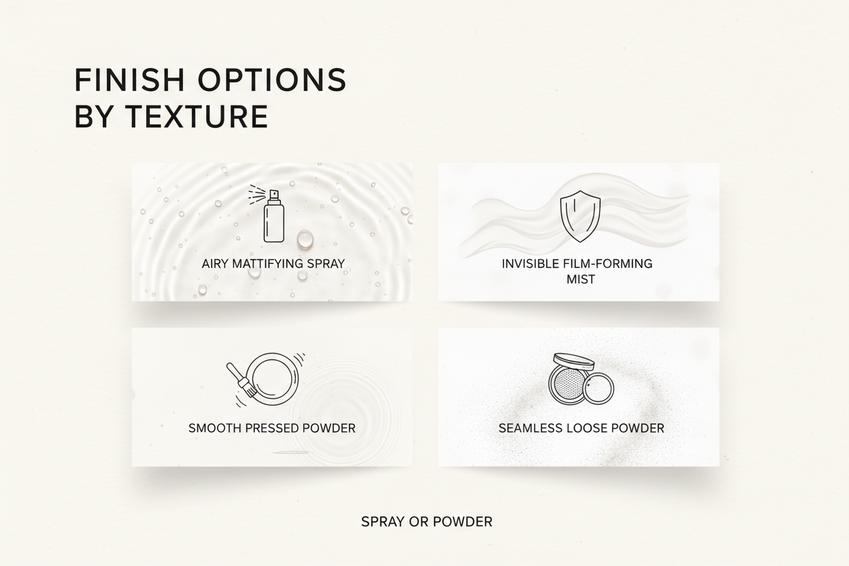
Airy Texture: Mattifying Spray with Lightweight Feel
- Core idea: a Mattifying Spray that feels Lightweight, giving an Airy Texture and soft Finish with solid Oil control and a Refreshing touch.
-
How it works
-
Mist phase
- micro-droplets settle evenly
- reduce shine without stiffness
-
Wear phase
- flexible hold
- no cakey buildup
-
-
When comparing setting spray vs powder
- spray wins for breathable hold
- powder can feel heavier mid-day
-
Quick picks (Topfeel Beauty)
- daily commute → mist
- gym touch-up → mist over base
Short take: if your skin gets slick fast, setting spray vs powder usually tilts toward spray for comfort.
Invisible Finish: Finishing Mist Powered by Film Formers
• Invisible Finish with a sheer Mist
• Film formers lock makeup for Long-lasting Setting
• stays Weightless, keeps tones true
Try this flow:
- shake
- spritz at arm’s length
- let the film set
In the setting spray vs powder debate, this type keeps color intact better than most powders. Through its R&D support, Topfeel Beauty formulates with flexible films, so you get hold without that tight mask feel. Think “there, but not there.”
Smooth Application: Pressed Powder Enriched with Polymers
-
Texture benefits
-
Pressed powder base
- Smooth Application
- Polymers boost grip
-
finish
- soft Matte, gentle Blurring
- pocket Compact, light Coverage
-
-
Where it beats spray
- targeted shine zones
- quick fixes on the go
-
setting spray vs powder takeaway
- powder = precision
- spray = overall seal
Topfeel Cosmetic offers related packaging solutions where compacts keep slip controlled without dragging, which helps makeup sit cleaner on textured areas.
Seamless Blend: Loose Powder Sifter Jar with Botanical Extracts
- Loose powder for a Seamless Blend
- airy, Translucent Setting with Botanical extracts
- Sifter jar keeps dosage neat; vibe feels Natural
Mini routine:
- tap sifter lightly
- pick up a small veil
- press, don’t swipe
In setting spray vs powder choices, loose powder gives that studio-soft finish, while spray adds final lock. Using both isn’t overkill—it’s balance.
References
- cosmetic – wikipedia.org/Wikipedia/Contributors
- setting spray – harpersbazaar.com/Harper’s Bazaar/Katie Intner
- invisible finish – wikipedia.org/Wikipedia/Contributors
- film formers – vivifybeautycare.com/Vivify Beauty
- silica – wikipedia.org/Wikipedia/Contributors
- humectants – wikipedia.org/Wikipedia/Contributors
- talc – wikipedia.org/Wikipedia/Contributors
- makeup longevity – harpersbazaar.com/Harper’s Bazaar UK/Medina Azaldin
- mattifying spray – cosmopolitan.com/Cosmopolitan UK/Keeks Reid
- sebum control – wikipedia.org/Wikipedia/Contributors
- glycerin – wikipedia.org/Wikipedia/Contributors
- hydration boost – zeruncosmetic.com/Zerun Cosmetic
- pore minimization – cosmopolitan.com/Cosmopolitan UK/Elena Chabo
- Alcohol Denat. – wikipedia.org/Wikipedia/Contributors
- Non-Caking – cosmopolitan.com/Cosmopolitan/Brooke Shunatona
Post time: Aug-10-2026