
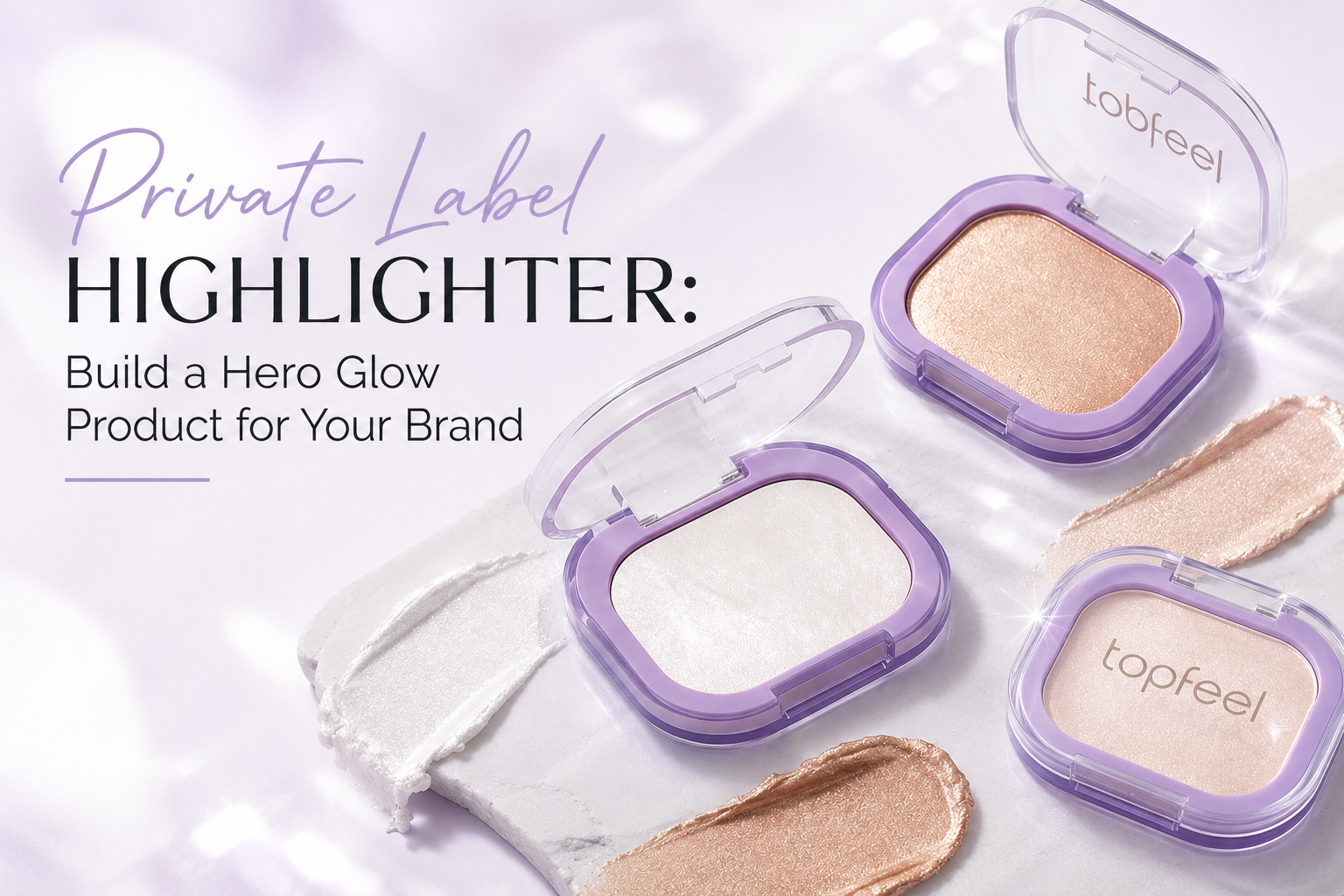
Private Label Highlighter: Build a Hero Glow Product for Your Brand
A private label highlighter can steal the spotlight—or wind up gathering dust. Seeing makeup highlighter on face is the fun part; brands, wholesalers, and retailers still need a distinctive finish that scales without production headaches.
From glow and formula to testing, packaging, and compliance, this guide maps the path to hero SKU. For brands exploring formulation basics, a private label highlighter makeup knowledge guide provides a helpful starting point.
Quick Notes to Makeup Highlighter on Face Brilliance
- Compare liquid, cream and powder formats for tailored glow
- Power formulas with mica, iron oxides, hyaluronic acid and skin-conditioning oils
- Follow 5 launch steps: market research, mixing, pilot batches, custom packaging, stability testing
- Source FDA-compliant, GMP-certified ingredients and validate safety with PIF and preservative efficacy
- Merchandising in tubes, jars or refill stations with testers, shade cues and eco-friendly storytelling
Wow! Private Label Makeup Highlighter On Face Secrets
Getting makeup highlighter on face right is less about piling on shine and more about placement, texture, and finish. From juicy cheek highlights to tiny flashes near the eyes, a well-made face highlighter can catch light naturally. Topfeel Beauty offers private-label options suited to these different looks, and you can learn more about us regarding our manufacturing standards.
Glass Skin Effect on Cheekbones: Liquid vs. Cream Highlighter
For glossy glass skin, texture makes a big difference across the cheekbones.
-
Formula choice
- A liquid formula gives a thin luminous glow with easy blendability, handy for normal or oily complexions.
- A cream formula creates richer dewiness and can feel more comfortable on dry skin.
-
Finish check
- Tap makeup highlighter on face lightly over foundation instead of rubbing.
- Keep visible skin texture in mind; concentrated shine can emphasize bumps.
The payoff is a fresh dewy finish, not a heavy glazed layer. Topfeel Cosmetic offers related packaging solutions for oem face makeup to properly dispense these liquid and cream formats.
Subtle Sheen on Brow Bone with Pressed Powder Highlighter
-
Pick a finely milled pressed powder with soft shimmer rather than chunky sparkle.
- Place it directly beneath the arch of the brow bone.
- Use a small brush or suitable beauty tools for accurate application.
-
Build slowly.
- One layer creates a subtle sheen and natural radiance.
- A buildable, long-lasting formula lets eye makeup stay the main event.
This face highlight trick adds definition without screaming “highlighter.”
Metallic Radiance Along the Nose Bridge
A little goes far here. For a metallic finish, place reflective pigment along the upper nose bridge, then soften both edges.
-
Want extra definition?
- Keep the line narrow.
- Stop before the nose tip for restrained sculpting.
-
Want an intense glow?
- Add one thin layer of shimmer.
- Blend immediately; this highlighting technique avoids a stark stripe.
Dewy Inner-Corner Glow Using Gel Highlighter
For the inner corner, use a tiny brush or fingertip.
- Tap on a lightweight gel formula with sheer coverage.
- Blend toward the eye area, keeping the effect small.
- Choose hydration plus light-catching pigment for comfortable wear.
That precise placement creates a fresh dewy glow and instant brightening without overpowering the eyes.
Which Ingredients Power The Perfect Hero Glow?
A great highlighter balances light, color, skin feel, and easy application. When developing products, small ingredient choices can shift the result from a subtle face glow to a bold shine. Topfeel Beauty can combine pigment, hydration, conditioning agents, and texture enhancers to match different product concepts.
Mica and Iron Oxides for an Iridescent Finish
Mica creates a Reflective effect by bouncing light from the skin, while Iron Oxides bring controlled color and depth.
-
For a softer Glow:
- Fine Pigment particles create smooth-looking luminosity.
- Balanced color keeps makeup highlighter on face wearable in daylight.
-
For stronger impact:
- Higher-shine Shimmer supports an Iridescent or metallic look.
- Pigment selection can tailor the final Finish across different skin tones.
The trick is balancing reflection with color so the highlighter catches light without looking flat.
Hyaluronic Acid-Infused Serum Highlighter Boost
A Hyaluronic Acid-Infused Serum highlighter pairs cosmetic shine with Hydration. The ingredient attracts water, supporting a Moisturizing, Plumping feel that works especially well in a Liquid format.
For makeup highlighter on face, that extra moisture can make Glow look fresh rather than powdery. It is a handy approach for dry or dehydrated skin and suits the popular dewy face highlighter style.
Tocopherol & Squalane for Skin-Conditioning Glow
Tocopherol, also known as Vitamin E, adds Antioxidant and Skin Conditioning value.
-
- acts as an Emollient, helping formulas spread comfortably;
- gives cream and liquid textures a softer skin feel.
-
Tocopherol
- supports a Nourishing product story;
- complements the smooth Glow consumers expect from makeup highlighter on face.
Together, the pair helps luminosity feel comfortable instead of greasy or heavy.
Silica and Dimethicone for Seamless Blending
Silica and Dimethicone tackle feel and wear from different angles.
-
Texture control:
- Silica can absorb some surface oil.
- It can also support a soft-focus Finish.
-
Easy Application:
- Dimethicone adds slip for Smooth movement across skin.
- Better Blending helps color edges appear more Seamless.
That combination makes face glow easier to diffuse rather than leaving obvious highlighter streaks.
5 Steps To Launch A Signature Highlighter
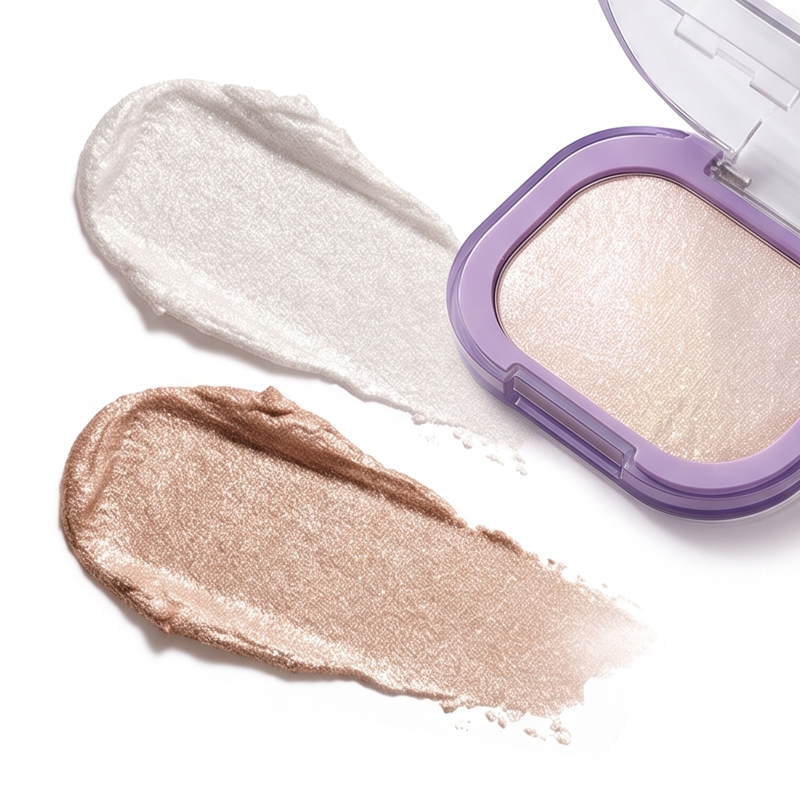
Launching a signature highlighter starts with knowing whose skin it serves and ends with proof that the finished cosmetic is safe, stable, and properly documented. From the way a makeup highlighter on face catches light to packaging that feels good in hand, each choice matters. Get these basics right, and moving from a promising sample to production becomes much smoother.
Step 1: Market Research on Target Skin Types
Start with consumer demographics, skin concerns, and real glow preferences rather than chasing every trend.
-
Map the target audience.
- Compare oily, sensitive, mature, dull, and dehydrated skin.
- Study cream, liquid, stick, and powder preferences.
-
Run competitor analysis.
- Review shade ranges, finishes, pricing, and product positioning.
- Track market trends around subtle radiance versus bold shimmer.
Testing how shoppers use makeup highlighter on face also reveals favored application areas and practical expectations.
Step 2: Formulation & Mixing with Premium Pigments
Formula work turns the desired glow into something repeatable.
-
Build the base.
- Set ingredient selection around suitable base ingredients, oils, humectants, and binder systems.
-
Tune the shine.
- Assess pigment quality, mica, iron oxides, titanium dioxide, and shimmer particles.
- Adjust glow intensity without making texture feel gritty.
-
Refine texture development through controlled grinding and blending, then check formula stability.
Step 3: Small-Batch Production and Quality Control
Small batches show whether the lab formula can handle a real manufacturing process.
-
Good Manufacturing Practices
- Maintain hygiene and contamination prevention controls.
-
Quality assurance
- Check batch consistency, shade, texture, fill weight, and application.
- Complete suitable microbial and safety testing.
-
Production scale
- Fix repeatability issues before increasing output.
Step 4: Filling Solutions and Custom Packaging Design
Packaging needs to suit both formula and everyday use.
-
Pair filling method with container options.
- Hot pour: compatible sticks or jars.
- Cold fill: tubes, bottles, or pumps.
- Pressing: pans and compacts.
-
Match applicator types and packaging materials to formula flow.
-
Use custom solutions, branding elements, and clear labeling for aesthetic appeal, while considering refillable or sustainable packaging.
Good packs make face highlighter easier and cleaner to apply.
Step 5: Stability Testing, PIF Creation & Compliance
A finished formula still needs evidence behind it.
- Run stability tests and preservative efficacy testing when applicable to support expected shelf-life.
- Compile ingredient documentation, specifications, and safety assessments.
- Prepare the EU Product Information File where required.
- Check regulatory compliance, legal requirements, and claim substantiation before sale.
That paperwork helps ensure makeup highlighter on face reaches customers with its safety, quality, and claims properly supported. For any questions regarding production timelines and regulatory documentation, reviewing our faq can provide clarity.
How To Source FDA-Compliant Raw Materials?
Sourcing materials for a private-label cosmetic takes more than finding a good price. A safe makeup highlighter on face starts with documented ingredients, dependable suppliers, and formula testing that matches real use. Topfeel Beauty connects these checks so highlighter products can move from raw material review toward manufacturing with fewer surprises.
Verifying Ingredient Safety and FDA Compliance
Before approving materials for makeup highlighter on face, check how each ingredient fits its intended cosmetic use under current U.S. FDA regulations.
-
Identity and use
- Confirm INCI identity, function, specifications, and ingredient safety data.
- Review regulatory guidelines, especially restrictions applying to color additives. A pigment permitted for one use may not be permitted around the eyes.
-
Records and risks
- Compare impurity limits and supplier test results with internal compliance standards.
- Keep documentation supporting material verification and the formula’s safety assessment.
That paperwork may sound a bit dry, but it matters when a face highlighter includes pigments, shimmer materials, or other ingredients with use restrictions.
Partnering with GMP-Certified Raw Material Suppliers
Supplier quality can make or break repeat production. Topfeel Beauty evaluates raw-material partners through documented controls rather than relying on a certificate alone.
-
Supplier approval
- Review GMP certification or evidence of suitable GMP practices and the supplier’s quality management system.
- Complete vendor qualification using specifications, certificates of analysis, traceability, and change-control records.
-
Ongoing control
- Use risk-based auditing to check manufacturing and testing practices.
- Monitor batch consistency and the supply chain, making supplier selection and raw material sourcing easier to defend.
Conducting Preservative Efficacy and Stability Testing
A highlighter formula also needs proof that it holds up beyond the lab bench.
-
Microbial protection
- Conduct preservative efficacy testing, including a microbial challenge where appropriate.
- Confirm that protection supports product integrity during expected consumer use.
-
Physical performance
- Run stability testing across suitable storage conditions.
- Track odor, appearance, viscosity, compatibility, and packaging interaction as part of quality control.
-
Final assessment
- Use results to support expected shelf life and formulation stability.
For a liquid or cream makeup highlighter, these checks help ensure the finished product stays safe, stable, and usable throughout its intended life.
Retail Launch—POPs That Highlight Hero Glow
A strong retail launch helps shoppers connect shade, texture, and glow with real facial results. Smart displays make makeup highlighter on face easier to understand, while Topfeel Beauty packaging concepts give retailers practical ways to turn quick browsing into confident product discovery.
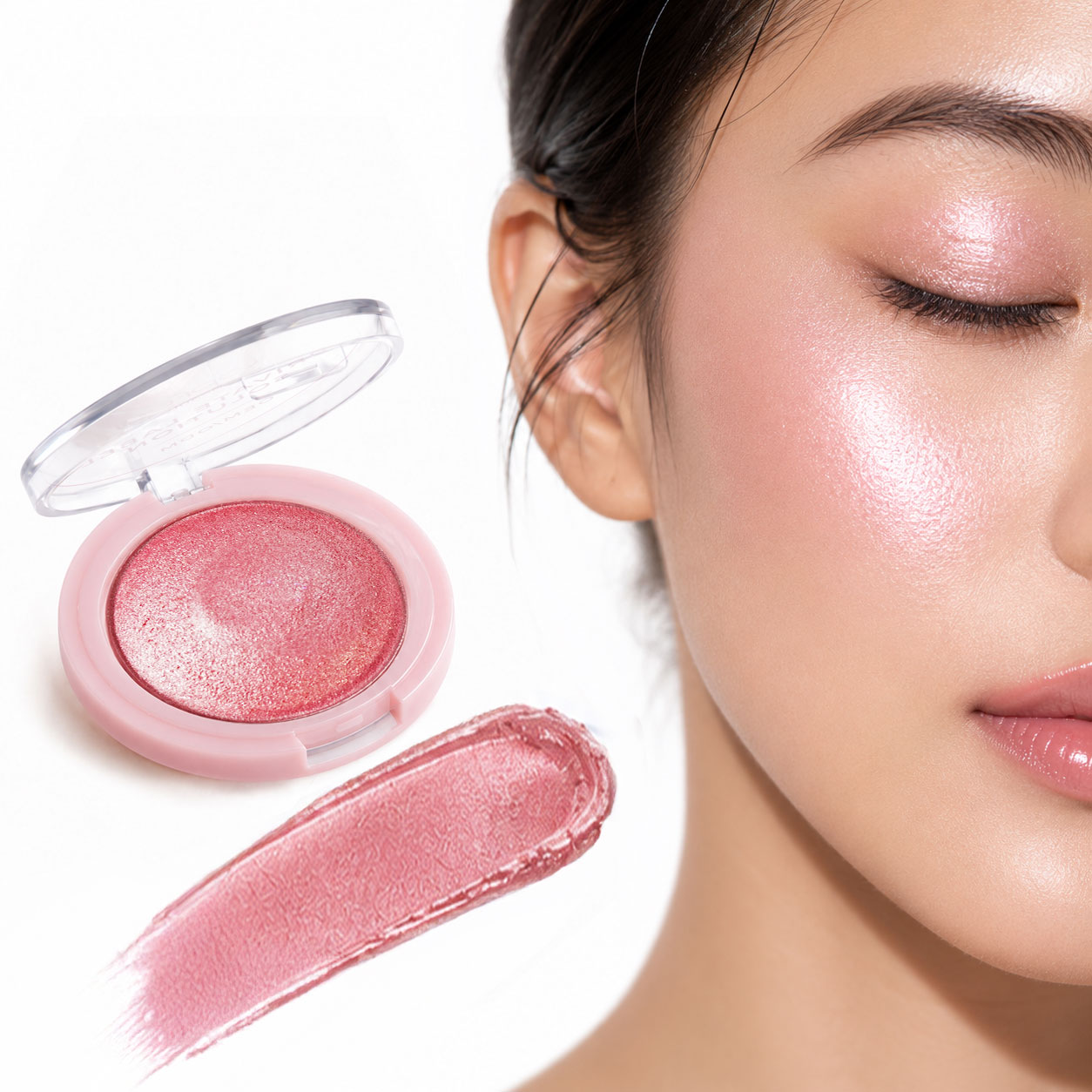
Tube & Pump Dispenser Merchandising Strategies
A point-of-purchase setup should make liquid formulas feel easy, not fussy.
-
Glow discovery
- Pair tube packaging with clear shade cues and cheekbone visuals showing makeup highlighter on face.
- Place each liquid highlighter tester beside a short finish description: soft pearl, wet glow, or bold shimmer.
-
Trial experience
- A controlled pump dispenser supports cleaner sampling and more consistent dosing.
- Match the applicator design to the retail fixture, keeping testers within comfortable reach.
That simple merchandising strategy improves the product display without making the counter feel jam-packed.
Jar and Pan Displays for Radiant Counter Impact
Cream jars and pans sell their glow best when shoppers can quickly compare color and finish. Jar packaging can sit near a matching pan format, while focused light boosts product visibility without distorting shade.
| Display test | Light (lux) | Tester spacing (cm) | Suggested angle |
|---|---|---|---|
| Cream jar | 700 | 12 | 20° |
| Pressed pan | 800 | 10 | 25° |
| Baked pan | 850 | 10 | 30° |
| Powder pan | 750 | 12 | 25° |
Use these figures as retail test settings, not universal scientific thresholds. A hygienic counter display lets customers judge the radiant effect of a highlighter against makeup on face. Done well, this visual merchandising adds retail impact and makes makeup highlighter on face results easier to grasp.
Refillable Packaging Stations for Eco-Friendly Appeal
A refill setup needs clarity at every touchpoint.
-
Discovery
- Organize refillable packaging by highlighter shade and finish.
- Let shoppers test face highlighter before choosing a cartridge.
-
Replacement
- Show product replenishment with a simple remove-click-replace demonstration.
- Build the display unit around sealed stock and sanitary testers.
-
Disposal
- State which parts can enter local recycling streams.
- Support eco-friendly and sustainability claims with packaging or lifecycle evidence rather than vague green wording.
For Topfeel Beauty, that approach can strengthen consumer appeal while giving shoppers clearer information about potential environmental impact at a refill station.
References
- Mica – cosmeticsinfo.org/Cosmetics Info
- Hyaluronic Acid – healthline.com/Healthline
- dry or dehydrated skin – ncbi.nlm.nih.gov/NCBI
- Tocopherol – oregonstate.edu/Linus Pauling Institute
- Squalane – clevelandclinic.org/Cleveland Clinic
- consumer demographics – mintel.com/Mintel
- skin concerns – aad.org/American Academy of Dermatology
- Good Manufacturing Practices – fda.gov/FDA
- sustainable packaging – epa.gov/EPA
- regulatory compliance – europa.eu/European Commission
- FDA regulations – fda.gov/FDA
- ingredient safety – cir-safety.org/Cosmetic Ingredient Review
- GMP certification – iso.org/ISO
- preservative efficacy – iso.org/ISO
Post time: Aug-14-2026