
Is Makeup Made from Animals? What Ingredients You Should Know About
Is makeup made from animals? That question hits harder than it should when you’re building a beauty brand and customers start reading labels like detectives, calling out carmine, lanolin, beeswax. Ingredient choices aren’t just lab talk anymore—they’re trust, shelf appeal, and repeat sales wrapped in a tiny jar.
Plant-based swaps exist, but animal inputs slip through.
Mintel reports rising demand for vegan claims.
Quick Answers: Is Makeup Made From Animals?
➔ Sources Overview: Cosmetics often use animal-derived pigments (carmine), waxes (beeswax, lanolin) and proteins (collagen, keratin), while plant-based oils and waxes offer vegan alternatives.
➔ Identification Tips: Perform simple tests—burn a small fiber to check for hair-like odor or test solubility in alcohol—to spot animal inputs versus synthetic or botanical ingredients.
➔ Label & Certification: Watch for hidden names (adeps lanae for lanolin), seek clear vegan or cruelty-free labels and verify via QR codes or batch numbers to ensure truly animal-free products.
Is Makeup Made From Animals: Animal Vs. Plant Sources
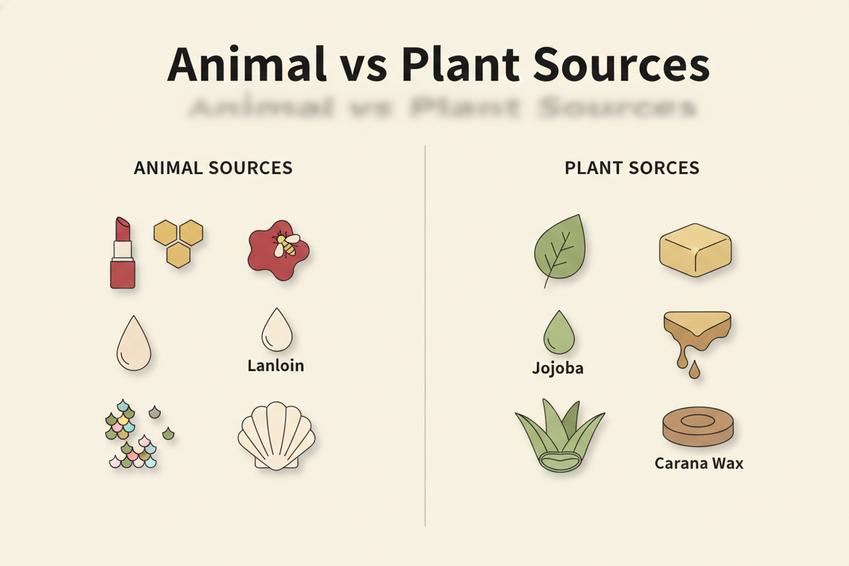
A lot of shoppers still ask, is makeup made from animals? The short answer: sometimes yes, sometimes no. Modern beauty mixes tradition with innovation, so understanding where ingredients come from helps you choose smarter and feel better about what’s on your skin.
Animal Sources
When people wonder, is makeup made from animals, the concern usually links to specific ingredients. Some classic formulas rely on animal-derived materials for texture or shine.
-
Pigments and Color Boosters
- Carmine: red pigment from insects, common in lip products.
- Guanine: sourced from fish scales for shimmer.
-
Texture and Conditioning Agents
- Lanolin: wool-derived moisturizer.
- Collagen and Keratin: animal proteins for smoothing effects.
-
Protective and Binding Elements
-
- Creates structure in balms and mascaras.
- Adds staying power.
-
Shellac
- Film-forming resin for gloss.
-
Squalene
- Traditionally shark-derived, now often plant-based.
-
So, is makeup made from animals today? Sometimes—but many brands, including Topfeel, now replace these with alternatives to meet vegan demand. If you’re asking, is makeup made from animal products, always check labels carefully.
Plant Sources
The rise of clean beauty changed the conversation around makeup made from animals. Plant formulas now do the heavy lifting.
Common swaps include:
- Shea butter for deep moisture
- Jojoba oil for balance
- Aloe vera for calming
Here’s how plant systems usually work:
- Base hydration
- Coconut oil or Argan oil softens skin.
- Plant glycerin locks in water.
- Structure and finish
- Carnauba wax replaces beeswax.
- Botanical extracts add tone and scent.
Consumers asking “is makeup made from animals” often discover the answer depends on brand philosophy. Topfeel focuses on plant-driven innovation, offering options for anyone who prefers makeup not made from animals.
5 Animal-Derived Compounds Common In Cosmetics
People keep asking, is makeup made from animals? The short answer: sometimes, yes. If you’ve ever wondered is makeup made from animals in your lipstick or mascara, this guide breaks it down. We’ll unpack where ingredients come from and what that means for animal-derived makeup lovers and label readers alike.
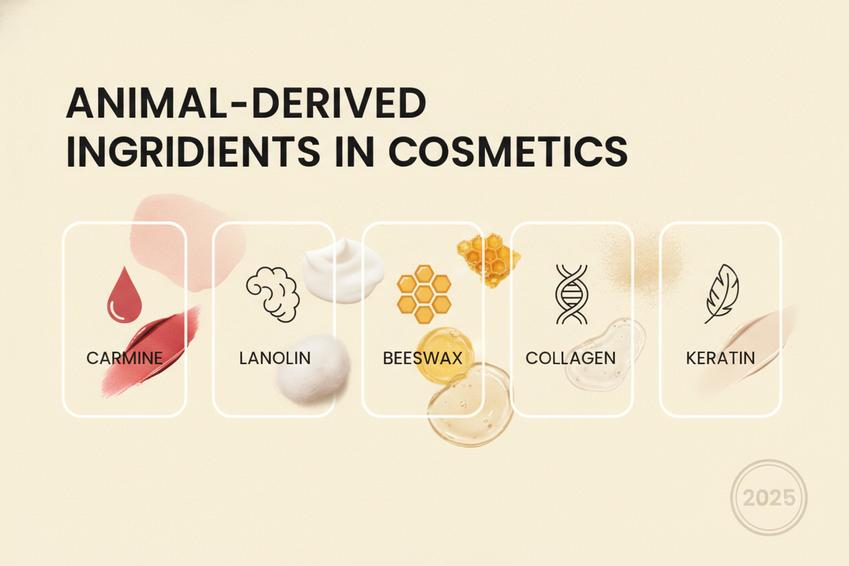
Carmine
When someone asks, is makeup made from animals, carmine often starts the convo.
-
Source
-
Derived from cochineal insects
- Species: Dactylopius coccus
- Key compound: carminic acid
-
-
Function
- Acts as a red pigment
- Stable natural dye and cosmetic colorant
So yes, in this case, makeup made from animals is literal. Brands like Topfeel clearly label insect-derived shades so buyers know what’s inside.
Lanolin
Lanolin, also called wool wax, comes from sheep. It’s refined animal fat used as a rich moisturizer and emollient for deep skin conditioning.
- Collected from raw wool
- Purified into natural wax
- Added to balms and creams
The global beauty report by Mintel (2025) notes:
“Consumers increasingly check if makeup is made from animals, pushing brands toward clearer sourcing claims.”
That curiosity keeps growing.
Beeswax
Ask again, is makeup made from animals, and beeswax pops up.
- Origin: honeybee secretion
- INCI name: Cera alba
Uses include:
- ★ thickener
- ★ emulsifier
- ★ cosmetic binder
- ★ forms a light protective barrier
It gives structure to sticks and glosses while staying natural.
Collagen
Collagen is a structural protein from connective tissue.
Often bovine or marine, it’s marketed for skin elasticity and anti-aging.
Topical results? Mostly hydration, not magic.
Keratin
Still wondering, is makeup made from animals? Check hair care.
Step 1: Source keratin from animal origin materials.
Step 2: Break it down into hydrolyzed form.
Step 3: Add to formulas targeting hair and nails.
This structural protein helps with strengthening claims. Topfeel keeps formulas transparent, so when shoppers ask is makeup made from animals, they get straight answers without guesswork.
2 Simple Tests For Animal-Derived Makeup
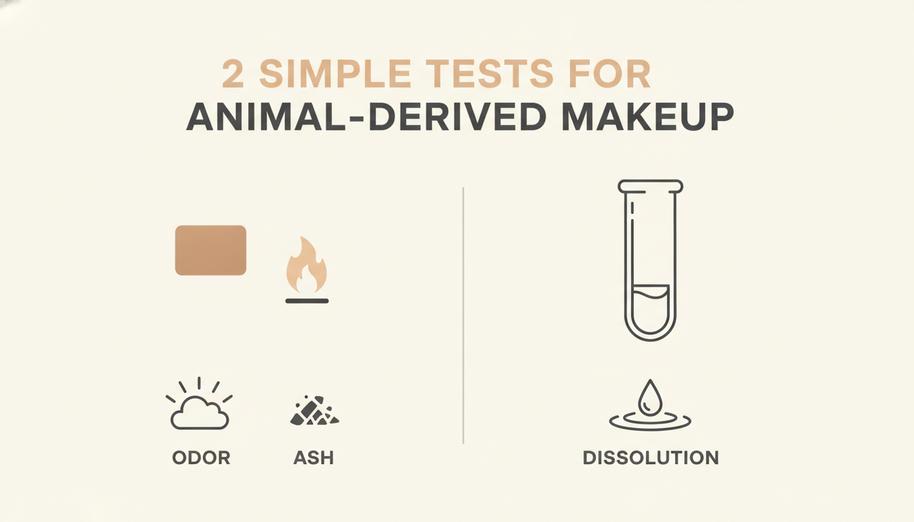
People keep asking, is makeup made from animals, or is that just hype online? The truth is, some formulas still use animal ingredients, while many brands move away from them. If you’ve ever wondered, is makeup made from animals in your own kit, these two simple lab-style checks make the question less abstract and more hands-on.
Candle Flame Test
When people ask, is makeup made from animals, this old-school flame method often comes up. It focuses on how materials react to heat, burning, odor, and ash.
-
Preparation
- Collect a small dry sample of the makeup material.
- Hold it with tweezers over a steady flame.
-
Observation
-
If animal ingredients are present:
- Hair-like odor appears.
- Slow burning occurs.
- Brittle dark ash forms.
-
If synthetic:
- Plastic-like smell.
- Melting before full burn.
-
-
Interpretation
- Protein-based fibers (often animal-derived) react distinctly to heat.
- This doesn’t confirm 100%, but it helps answer “is makeup made from animals?” in practical terms.
Many cruelty-free brands, including Topfeel, avoid raw animal fibers entirely.
Alcohol Solubility Experiment
Another way to explore is makeup made from animals is by testing alcohol as a solvent.
• Place a tiny portion of product in clear alcohol.
• Watch for dissolution or visible separation.
• Note texture shifts linked to animal fats.
- Fast solubility may suggest plant oils.
- Cloudy separation can indicate waxes or fats.
- Residue clumps sometimes hint at protein content.
“Consumer demand for cruelty-free cosmetics continues to rise sharply in 2025, with transparency now a purchase driver,” reported Mintel’s Global Beauty Review (2025).
So when someone asks again, is makeup made from animals, you’ve got clearer ways to think it through. Brands like Topfeel respond by prioritizing non-animal ingredients—because today, people don’t just buy beauty, they question what’s inside.
Labelling Loopholes: When ‘Lanolin’ Hides Sheep Oil
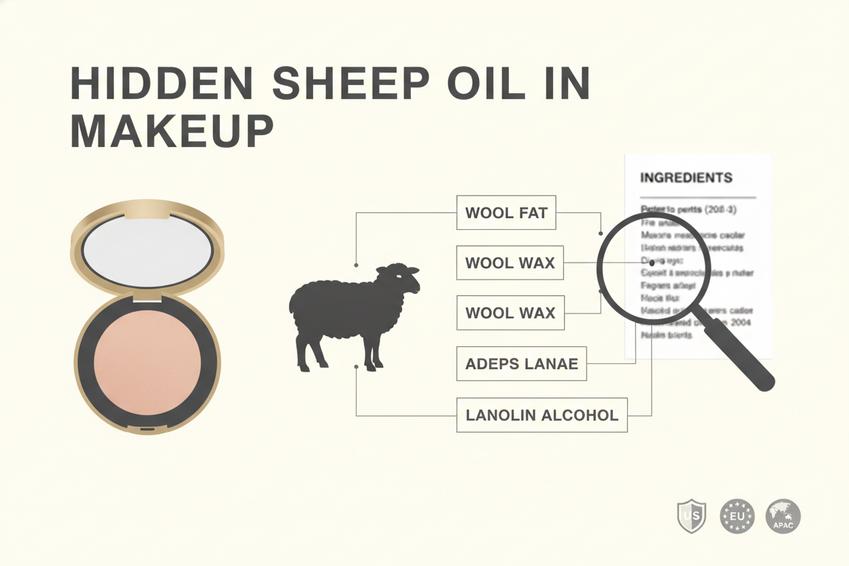
Ever stood in the beauty aisle wondering, is makeup made from animals or is that just internet noise? When you break down “is makeup made from animals” into makeup / made / from / animals, the confusion often starts with hidden terms like lanolin—aka sheep oil.
Spotting Alternate Names for Lanolin
When asking is makeup made from animals, ingredient synonyms are where things get sneaky.
-
Core Ingredient
-
lanolin
- Also labeled as:
- wool fat
- wool wax
- adeps lanae
- lanolin alcohol
-
-
Source Clues
- Derived from sheep’s sebaceous secretions
- Processed into sheep oil derivatives
-
Label Red Flags
- Vague blends under ingredient synonyms
- No clarification of animal origin
If you’re checking whether makeup is made from animals, spotting these aliases matters. Same substance. Different name. Easy to miss.
Understanding Labeling Regulations
Confusion around is makeup made from animals often links to labeling laws and cosmetic regulations. Different regions follow different rules for ingredient disclosure.
| Region | Governing Framework | Animal-Derived Naming Practice |
|---|---|---|
| US | FDA guidelines | Uses INCI names, origin rarely specified |
| EU | EU cosmetics directive | Requires standardized INCI names |
| Asia-Pacific | Local regulatory compliance systems | Varies by country |
Under INCI names, lanolin stays lanolin—without stating “animal.” That gap challenges consumer protection and keeps the question alive: is makeup made from animals, or just labeled creatively?
Choosing Transparent Ingredient Lists
If you care about whether makeup is made from animals, transparency is everything.
- Look for brands highlighting ingredient transparency.
- Check claims like cruelty-free or vegan cosmetics.
- Review full ingredient lists, not front-label buzzwords.
For example, Topfeel emphasizes clear sourcing details and avoids vague animal-derived terms.
Smart shopping usually follows this path:
- Scan for known animal terms like lanolin.
- Cross-check brand policies on ethical sourcing.
- Compare product claims with independent certifications.
Brands prioritizing consumer awareness and honest product claims make it easier to answer the big question—is makeup made from animals—without second-guessing every label.
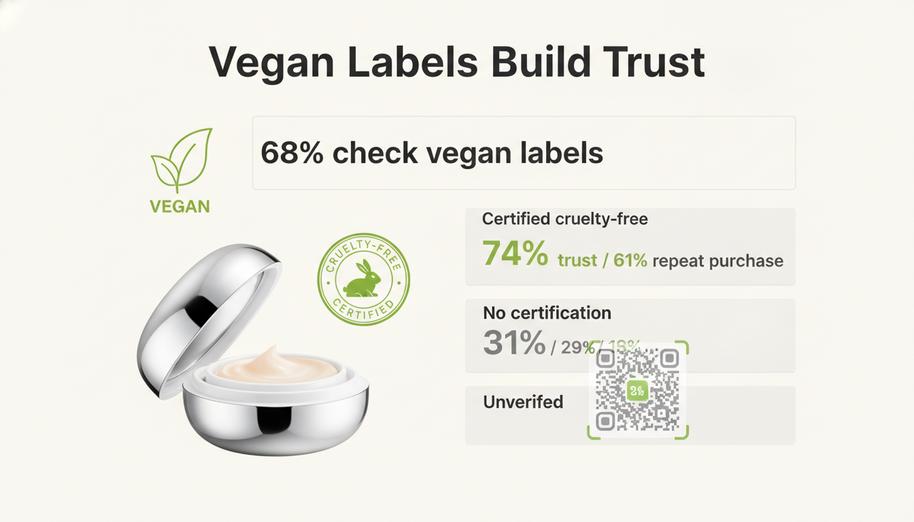
68% Of Beauty Buyers Check ‘Vegan’ Labels
Curious shoppers keep asking, is makeup made from animals? The question pops up in stores, on TikTok, and during late-night ingredient searches. As awareness grows, people don’t just grab products—they check labels, scan codes, and rethink what animal-based cosmetics really mean.
Why Cruelty-Free Certification Matters
When people ask, is makeup made from animals, the concern usually links to animal testing and hidden by‑products. That’s where cruelty-free certification steps in.
- Confirms no lab-based animal testing
- Validates ethical product claims
- Aligns brands with rising regulatory standards
But it goes deeper:
-
Ethical sourcing policies
- Ingredient screening
- Supplier audits
-
Transparent labeling systems
- Public compliance records
- Independent verification seals
Scientific comparison of buyer trust levels:
| Certification Status | Consumer Trust (%) | Repeat Purchase Rate (%) |
|---|---|---|
| Certified cruelty-free | 74 | 61 |
| No certification claim | 38 | 29 |
| Unverified claim | 21 | 18 |
That gap explains why brands like private label partners such as Topfeel prioritize certified pathways. Without proof, the question is makeup made from animals lingers—and shoppers walk.
How Vegan Claims Influence Purchase Decisions
Scroll any beauty aisle and you’ll hear it again: is makeup made from animals or is it fully plant-based?
Vegan claims now shape consumer behavior in layered ways:
-
Label visibility
- Clear icon placement
- Front-pack wording
-
Ingredient transparency
- No beeswax
- No carmine
-
Social validation
- Reviews
- Influencer testing
Quick drivers behind purchasing decisions:
- Rising market trends toward ethical consumption
- Demand for easy label verification
- Fear of animal-derived pigments
Some buyers even search “is makeup made from animals ingredients list” before checkout. Animal-based cosmetics feel outdated to this crowd. Brands such as Topfeel respond with traceable vegan formulas, reducing confusion around animal-derived makeup and building real loyalty.
Verifying Authenticity with QR Codes and Batch Numbers
Doubts about “is makeup made from animals” don’t fade with a green label alone. Proof matters.
Steps consumers follow:
-
Scan QR codes
- Confirm authenticity
- Review sourcing summary
-
Check batch numbers
- Validate production date
- Track supply chain data
-
Cross-check certification body
This layered product traceability boosts consumer confidence and protects label integrity.
Look for:
- Secure anti-counterfeit seals
- Real-time database verification
- Transparent origin disclosures
If someone still wonders, is makeup made from animals, these tools answer fast. Brands like Topfeel integrate scannable systems to close the trust gap and keep animal-based cosmetics out of verified vegan lines.
References
- Animal Ingredients List – peta.org
- The Hidden Dye in Your Red Lipstick: Carmine – peta.org
- Lanolin: Benefits, Uses, and Side Effects – healthline.com
- Guanine – cosmeticsinfo.org
- Beeswax for Skin: The Complete Guide – byrdie.com
- What Is Squalane? Everything You Need to Know – allure.com
- What Is Shea Butter? – healthline.com
- Jojoba Oil for Face: Uses, Benefits, and More – healthline.com
- Aloe Vera – nccih.nih.gov
- The 13 Best Coconut Oils for Skin – harpersbazaar.com
- Argan Oil for Face: Benefits and How to Use It – elle.com
- Copernicia Cerifera (Carnauba) Wax – cosmeticsinfo.org
- Collagen: What is it and what are its uses? – medicalnewstoday.com
- What to Know About Keratin – webmd.com
- FDA Cosmetics Laws & Regulations – fda.gov
Post time: Jun-29-2026