
Custom Formulation Cosmetics Trends for Modern Beauty Brands
Custom formulation cosmetics are no longer defined by a choice of fragrance, color, or one fashionable ingredient. For modern beauty brands, the real value lies in building a product that solves a precise consumer need, feels distinctive in use, and can support the way it is marketed. That shift is changing the development brief. Instead of asking a lab to make a generic serum, lip color, or scalp product with a list of trending actives, product teams are specifying the occasion, the texture, the expected result, and the claims they intend to make. The brands that get this right will create formulas that are easier to explain, easier to defend, and more useful in a crowded market. If you are exploring how these approaches translate to market-ready product lines, Topfeel Beauty provides comprehensive custom solutions designed around performance and global compliance.
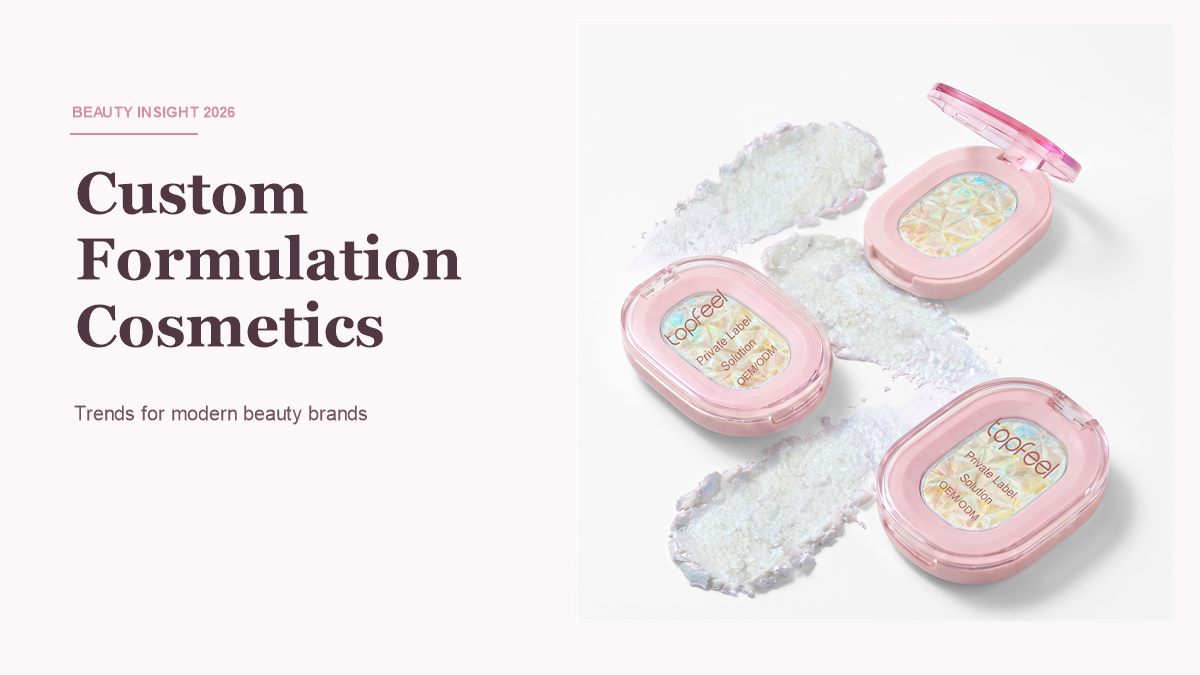
The End of the Vague “Clean” Brief
For several years, many beauty briefs began with a list of exclusions: free from this, without that, clean, conscious, or natural. Those choices may still matter to a brand and its customer, but they rarely give a formulator enough direction to create a better product.
The stronger brief begins with the finished experience. Is the customer looking for a gel-cream that feels light in humid weather but does not leave skin tight? A lightweight liquid foundation that wears comfortably through a workday? A scalp treatment that fits naturally into an existing hair routine? Those questions force the team to make useful decisions about texture, delivery, finish, fragrance, and packaging compatibility.
This is also where product claims need to become more disciplined. Circana reported in 2026 that beauty is increasingly viewed as a key aspect of wellness, meaning consumers are focusing on holistic wellbeing rather than just clean ingredient lists. The conclusion is not that every brand should sound medical. It is that broad positioning has less value when it is disconnected from a believable product result.
For any new formula, the development conversation should move in this order:
-
Define the job.
- State what the product should help the user do, feel, or achieve.
- Keep the promise narrow enough to guide the formula.
-
Choose the tradeoffs.
- A high-payoff lipstick, a featherlight skin tint, and a rich barrier-supporting cream each require different technical priorities.
-
Decide what needs to be proved.
- The intended claim should determine the type and level of substantiation, not the other way around.
An ingredient story still has a place. It should explain why the formula was designed in a particular way, rather than carry the entire promise on its own.
Personalization Is Becoming More Practical
Personalization has often been presented as one formula for every individual customer. That sounds compelling, but it can create expensive complexity in purchasing, testing, regulatory review, and inventory. In practice, many brands will get better results from a well-designed formula platform with a small number of meaningful variations.
Think of the platform as the stable core of a product family. It defines the product format, baseline sensorial profile, preservation approach, and performance standard. From there, a brand can introduce a different finish, shade range, fragrance direction, or benefit emphasis without pretending that every variation is a completely new invention. If your brand prefers a faster launch using an established core, we offer an extensive library of more private label cosmetics.
For example, a brand may start with a lightweight face complexion base and develop a radiant version and a soft-matte version. The base can remain commercially coherent, but each version still needs its own review for pigment stability, wear, skin feel, and the claims used to describe it. The same logic works for a skincare line built around one gel-cream base with climate-specific or routine-specific variants.
AI may make this process more informed, particularly in consumer-insight analysis, trend scanning, and quality workflows. In fact, generative AI could create up to $9–10 billion in additional value for the beauty sector, according to McKinsey’s latest 2026 analysis. It is not a substitute for qualified formulation or safety assessment, but the near-term advantage is better decision-making, not fully automated product development.
The Best New Concepts Start with a Use Moment
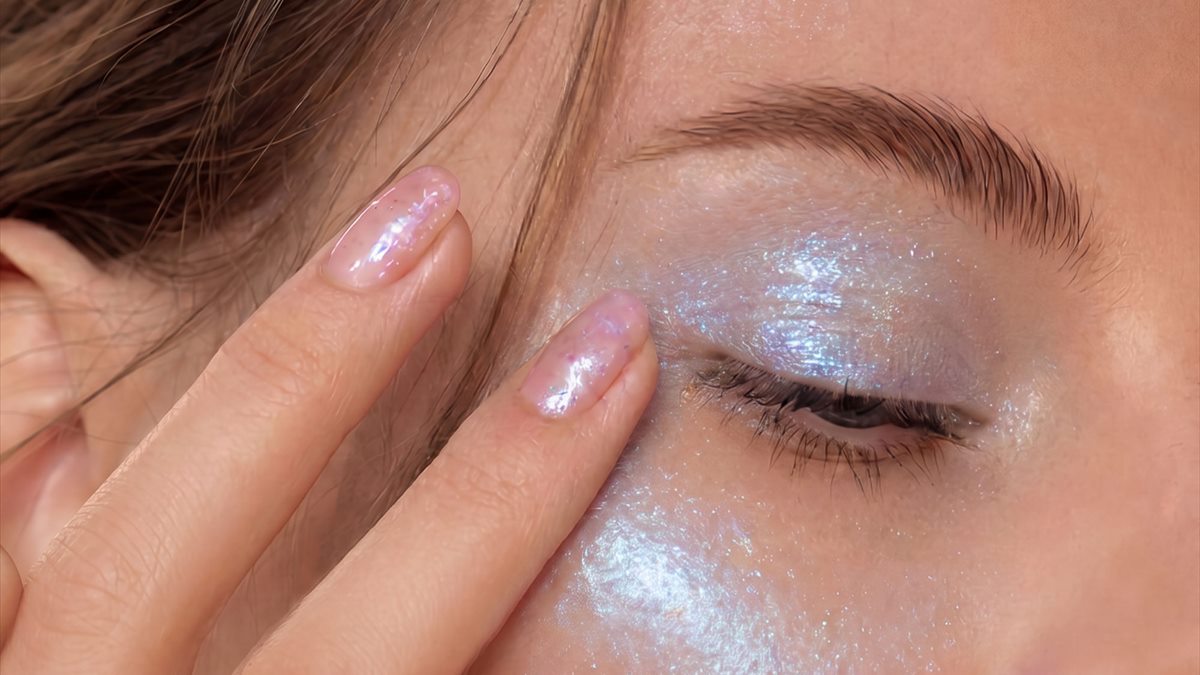
Beauty categories are becoming less rigid because consumers do not organize their routines by industry labels. They think in moments: getting ready quickly, managing shine in a humid climate, making makeup feel more comfortable, refreshing the scalp between washes, or simplifying an evening routine.
That opens useful territory for custom formulation cosmetics. A color product, such as custom eyeshadow palettes, can be developed around comfort and blendability. A hair product can be designed around the way the scalp feels after styling. A body product can be positioned as part of a daily skin routine. The formula should still have one clear job, however. Combining too many benefits often produces a vague proposition and a compromised product. To align product development with these use moments, OEM and ODM beauty product development services can streamline the transition from concept to final formula.
The product team should therefore decide which dimension matters most:
- Performance: coverage, wear, payoff, hold, or visible finish.
- Feel: spreadability, dry-down, cushion, residue, fragrance, or removal.
- Routine fit: when the product is used, what it replaces, and which adjacent products it must work with.
- Market fit: shade preferences, climate, labeling, price expectations, and local requirements.
This is a more useful way to brief a supplier than asking for a product that is simply “multifunctional.” It gives the formulator a clear hierarchy when performance characteristics compete.
Sustainability Has to Work with the Formula
Sustainability is often handed to packaging after the formula has been approved. That sequence no longer works well, especially for brands planning to sell in Europe. The EU Packaging and Packaging Waste Regulation entered into force on February 11, 2025 and will generally apply from August 12, 2026. As of August 6, 2026, that general application date is six days away, bringing strict limits on PFAS and toxic metals in all packaging placed on the market.
For formulators, the important point is practical: packaging is part of product performance. A refill concept, for example, has to protect the formula through storage and consumer use. Viscosity has to suit the dispensing system. For brands exploring packaging options that suit complex formulas, Topfeel Cosmetic offers related packaging solutions and beauty tools to maintain stability. Oxygen sensitivity, light exposure, moisture loss, fragrance migration, and the preservation system all need to be considered in the intended component, not only in a laboratory sample jar.
The same discipline applies to claims. A recycled-content or refill statement relates to the packaging system. It should not be allowed to imply that the formula itself is safer, more effective, or environmentally superior unless that separate claim has been substantiated.
Make Proof and Compliance Part of the Creative Brief
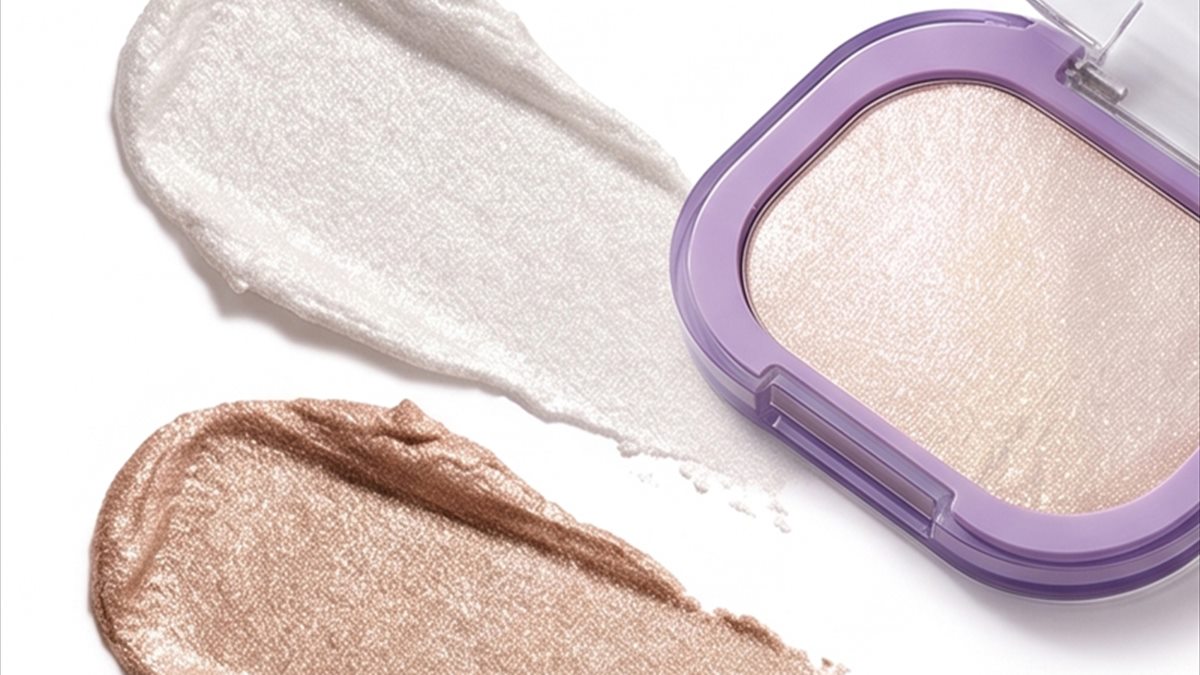
Compliance can feel like the part of product development that slows everyone down. In reality, it is often what prevents expensive rework later. A claim that cannot be supported, a color additive that is unsuitable for the intended use, or a packaging change that destabilizes the formula can delay a launch long after the creative work is finished.
The U.S. Modernization of Cosmetics Regulation Act (MoCRA) requires responsible persons to maintain records supporting adequate safety substantiation. It also introduced responsibilities for facility registration, product listing, and serious adverse-event reporting. 2026 represents a transition from initial implementation to ongoing regulatory management for MoCRA, emphasizing the need for documentation readiness. In the European Union, cosmetic claims must be supported by adequate and verifiable evidence, often collected in a comprehensive Product Information File (PIF). Neither market rewards a last-minute attempt to turn an ingredient deck into a stronger product claim.
The most effective teams treat documentation as a living part of development. Topfeel Beauty’s oemodm model approaches compliance as a core element of the workflow. When the formula changes, they update the safety rationale, stability work, compatibility checks, and claim language together. When marketing asks for a new message, the question is not whether the wording sounds persuasive; it is whether the finished product has the support needed for that wording in the intended market.
| Development Decision | Question to Answer Before Launch | Why It Matters |
|---|---|---|
| Product proposition | What single result should the product be known for? | Keeps the formula, claim, and consumer message aligned |
| Formula route | Which performance tradeoff is non-negotiable? | Prevents a product from trying to promise incompatible outcomes |
| Evidence plan | What data supports each consumer-facing claim? | Reduces claim risk and avoids rewriting launch copy late in the process |
| Packaging choice | Does the actual component protect and dispense the formula properly? | Helps prevent stability, preservation, and user-experience failures |
| Market scope | Which countries will receive the first launch? | Brings ingredient, color, labeling, and documentation reviews forward |
What Modern Brands Should Do Next
The next winning formula is unlikely to come from adding more ingredients or more promises. It will come from being more specific. A brand needs to know the use moment it wants to own, the product feel that makes it memorable, and the result it can responsibly communicate. For a closer look at our manufacturing philosophy and factory capabilities, you can read about us or browse the faq for quick answers regarding lead times and services.
For a custom formulation project, start with one hero concept rather than a broad collection. Develop two or three technical routes that make different tradeoffs, assess them in the intended packaging, and agree on the evidence needed before the final claim language is written. Once that platform is working, shades, finishes, fragrances, or regional variants can be added with much less risk.
That is the practical future of custom formulation cosmetics: fewer generic launches, more deliberate product systems, and formulas that earn their place in the routine.
References
- Beauty is increasingly viewed as a key aspect of wellness – Circana
- Generative AI could create up to $9–10 billion in additional value for the beauty sector – Inference Beauty
- Strict limits on PFAS and toxic metals in all packaging placed on the market – Intertek
- Separate claim has been substantiated – Cosmeservice
- Transition from initial implementation to ongoing regulatory management – EcoMundo
- Cosmetic claims must be supported by adequate and verifiable evidence – Phoenix Cosmetic Safety
- State of Beauty Industry Trends 2026 – McKinsey
- The EU’s Packaging and Packaging Waste Regulation (PPWR): A New Challenge for Thai Businesses – Krungsri
- Selling Cosmetics on Amazon: 2026 FDA MoCRA Compliance Guide – Cosmereg
- Preparing for EU PPWR Compliance Before August 2026 – ASUENE
- FDA Compliant Fragrance Materials: What Southeast Asian B2B Buyers Need to Know in 2026 – Alibaba.com
- 2026 Beauty Trends: The Rise of Clean Beauty – Iero Beauty
- Clean Beauty Trends Take Shape in 2026 – Liht Organics
- Skincare trends that will shape 2026: scientific evidence, longevity, and personalization – Cosmetics In Mind
Post time: Aug-06-2026