
Why Cream and Powder Blush Work Better as a Product System
For private-label buyers, cream blush vs powder blush isn’t a beauty showdown—it’s a two-part product strategy. Cream brings dewy slip and dry-skin appeal; powder adds shine control, layering, and staying power. Put both on the shelf, and suddenly one shade story can serve more routines, finishes, seasons, and shopping habits.
That pairing also opens doors for kits and repeat purchases. This guide covers formulation, packaging, sourcing, GMP production, testing, lead times, and ROI.
Key Points Symphony: Cream Blush vs Powder Blush
➔ Texture Duo: Creams deliver dewy slip for dry skin; powders offer matte control and layering.
➔ Finish Flexibility: Layer cream base and powder topcoat to build coverage, dimension, and lasting wear.
➔ Packaging Pair: Use jars or airless pumps for creams; compacts for powders—optimizing hygiene, dosing, and shelf appeal.
➔ Skin-Type Appeal: Emollient-rich creams soothe dryness; talc-based powders absorb oil, broadening your market reach.
Uncover The Magic Of Cream Blush Vs Powder Blush Pairing
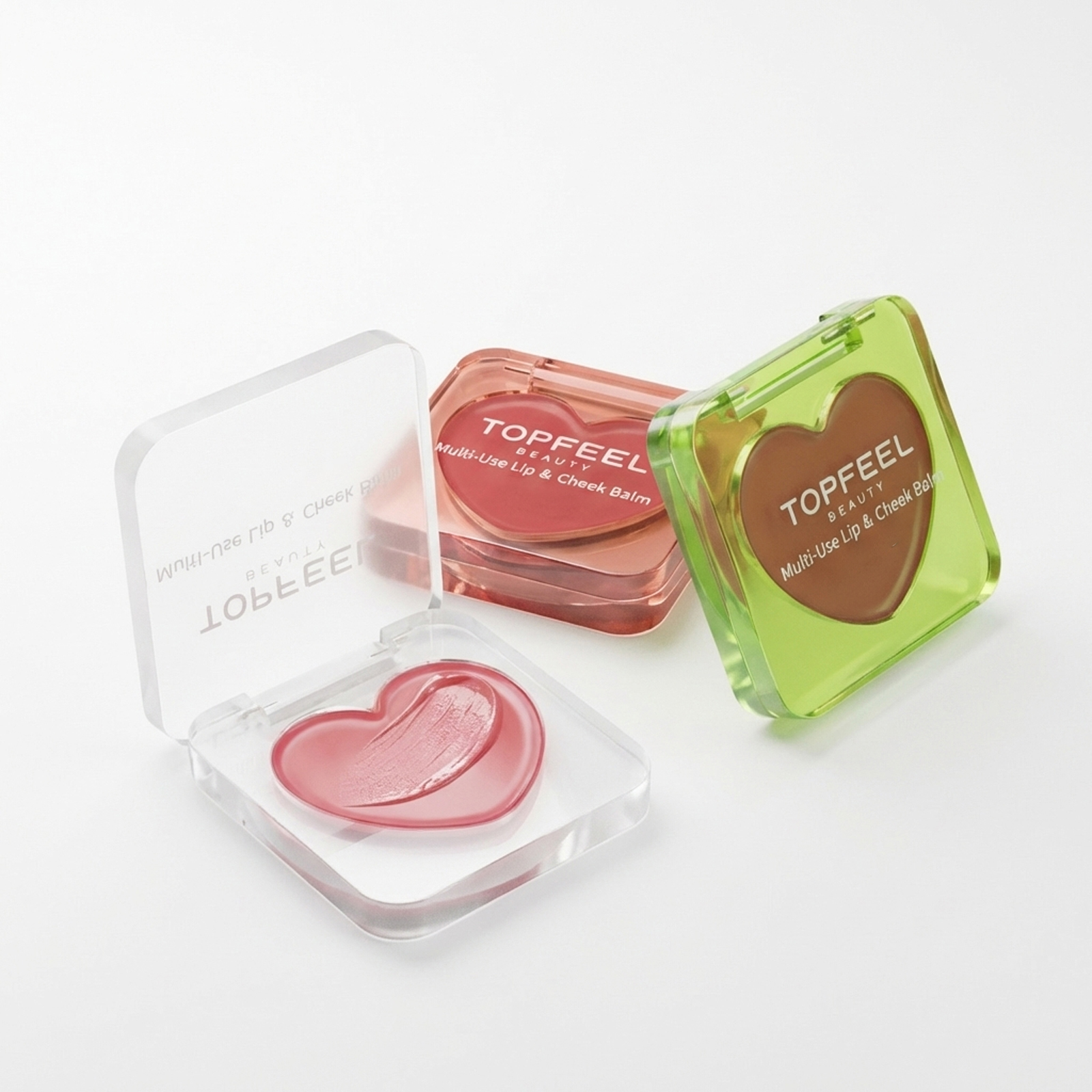
Choosing cream blush vs powder blush is less about picking a winner and more about making two formulas play nicely together. Cream brings easy movement and glow; powder adds control and staying power. For brands and shoppers alike, pairing cream and powder blush creates flexible color that can suit different routines, climates, and finish preferences.
Silk-Emollient Fusion for Flawless Blendability
-
Cream emollients give cream blush vs powder blush pairing the slip needed for soft blendability.
- A silky texture supports an even application without dragging.
- Finely milled powder then adds smoothness while keeping the result seamless. This fusion boosts silkiness without feeling too slick. Topfeel Beauty can tune both formats for compatible layering.
Dewy-to-Matte Transition: Buildable Coverage in Tandem
-
Apply cream for a dewy finish and gentle luminosity.
- This base gives cream blush vs powder blush a fresh starting point and a believable natural look.
-
Press powder over targeted areas.
- The transition toward a matte finish creates buildable coverage, while controlled layering gives users more versatility. Pretty handy for day-to-night makeup.
Dual-Packaging Solutions: Compacts, Jars, and Airless Pumps
-
Powder-friendly compacts support portability and protect pressed pans.
- Cream containers, including jars and airless pumps, address clean dispensing and hygiene.
- For cream blush vs powder blush, smart packaging design also needs to match formula viscosity and dosing. Topfeel Beauty can pair practical primary packs with each formula type.
Catering to All Skin Types: From Dry to Oily
-
Dry skin can benefit from cream hydration, while oily skin often responds well to powder oil control.
- Combination skin may use cream blush vs powder blush only where each finish works best.
- Sensitive skin calls for careful formulation and strong skin compatibility.
- Done well, cream blush vs powder blush pairing gives one color concept much wider skin-type appeal.
3 Reasons Private Label Brands Love Cream Blush Vs Powder Blush
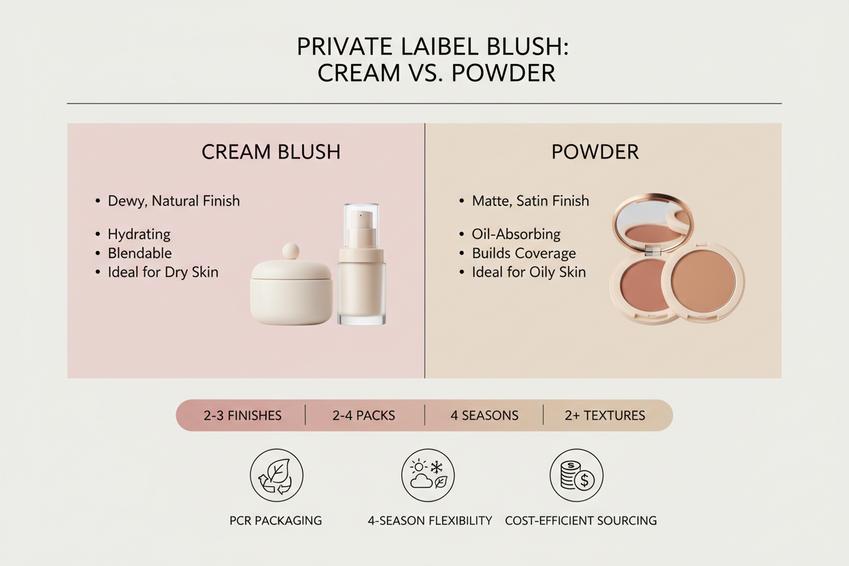
For private-label teams, cream blush vs powder blush is more than a shade or finish choice. Packaging, formula flexibility, and purchasing costs all affect launch planning. Topfeel Beauty can support both blush formats, making it easier to keep production practical while staying tuned to customer demand.
Reason 1: Streamlined Inventory with PCR Materials
Comparing cream blush vs powder blush can uncover useful ways to simplify inventory management. Shared outer cartons and standardized component families can improve stock control, while suitable PCR packaging introduces recycled content for brands pursuing more eco-conscious packaging goals.
-
Packaging planning
- Cream blush: jars or compacts can be standardized around repeat sizes.
- Powder blush: common compact formats can simplify component purchasing.
-
Supply planning
- Selected sustainable materials may support better supply chain efficiency when specifications are consolidated.
That keeps things pretty straightforward.
Reason 2: Seasonal Demand Met through Versatile Textures
Texture gives cream blush vs powder blush plenty of room to play. Dewy cream formulas can fit hydration-led seasonal trends, while matte powder blush offers shine control and a familiar feel.
| Planning factor | Cream blush | Powder blush |
|---|---|---|
| Typical finish options | 2–3 | 2–3 |
| Common pack formats | 2–4 | 1–3 |
| Seasonal positioning | 4 seasons | 4 seasons |
| Texture families | 2+ | 2+ |
-
Portfolio flexibility
- Versatile formulations create useful texture variety.
- This product adaptability can help Topfeel Beauty customers shape seasonal collections around changing consumer demand and improve market responsiveness.
Reason 3: Cost-Effective Raw Material Sourcing
From a sourcing angle, cream blush vs powder blush gives private-label brands opportunities to coordinate purchasing without treating every SKU as a totally separate job.
-
Procurement
- Cream blush may share pigments, emollients, and silicones across formulas.
- Powder blush can reuse pigments, binders, and approved powder bases.
-
Production
- Consolidated raw material sourcing and ingredient procurement can support cost efficiency.
- Smarter material acquisition may improve supply chain optimization, support manufacturing savings, and strengthen overall production economics.
In short, cream and powder blush can share more purchasing logic than their textures suggest.
Specifications For Cream Blush Vs Powder Blush Formulations
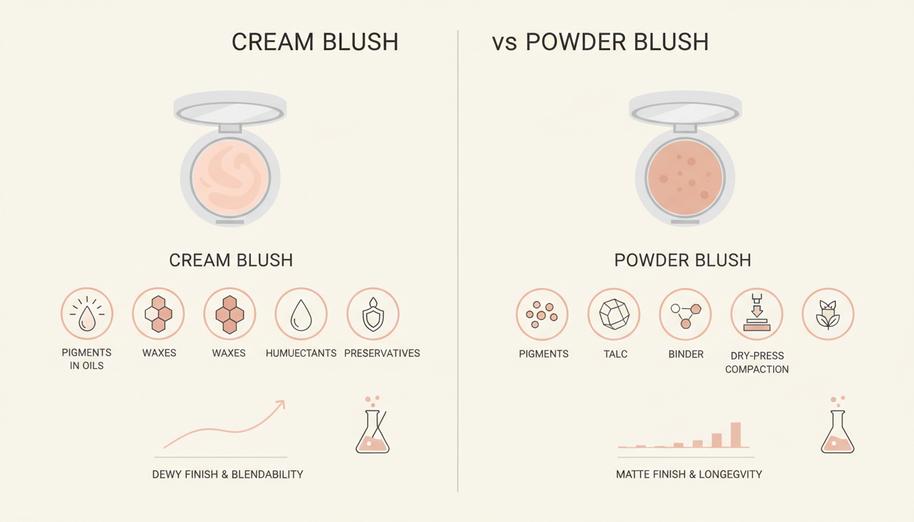
Choosing cream blush vs powder blush affects far more than skin feel. From pigment loading to preservation, each cosmetic format needs its own production logic. Topfeel Beauty develops formulas around payoff, application, wear, and practical manufacturing needs.
High-Impact Pigments and Talc Ratios
For cream blush vs powder blush, pigment loading shapes payoff, while filler choices control feel.
-
Powder blush
- Pigments drive color intensity and coverage.
- Talc can improve slip, absorption, and pressability; its ratio must suit the pigment load.
-
Cream blush
- A high-impact formulation disperses colorants evenly through oils, waxes, or emollients.
- Too much pigment can hurt glide, so balanced dispersion keeps application easy and smooth.
Topfeel Beauty adjusts these relationships to match desired payoff rather than chasing a one-size-fits-all percentage.
Emulsification vs. Dry Pressing Techniques
The cream blush vs powder blush manufacturing route is quite different. Cream blush may rely on emulsification, hot-pour, or an anhydrous blending process, depending on texture.
For powder blush, dry pressing starts with careful blending before binder addition and compaction. This technique supports even color and solid pan strength without making pickup feel, well, chalky.
Binder and Humectant Balances for Wear Time
Wear depends on more than pigment.
-
In powder formulation:
- A binder improves adhesion and reduces fallout.
- Excess binder can make pickup harder.
-
In cream formulas:
- A humectant can support moisture retention where appropriate.
- Emollients influence flexibility and comfort.
-
Across cream blush vs powder blush:
- The right balance supports wear time, blendability, and overall longevity.
Topfeel Beauty can tune these variables for the intended finish and application style.
Preservatives, Silicones, and Stability Testing
For cream blush vs powder blush, safety and consistency depend on the full ingredient system.
- Preservatives are selected when microbial risk calls for them.
- Silicones may improve slip, spread, and wear.
- Stability testing checks physical and chemical compatibility, while microbial testing supports quality control and shelf life decisions.
Topfeel Beauty also evaluates ingredients, packaging compatibility, INCI presentation, and applicable cosmetic regulatory requirements before a formula moves toward production.
Cream Blush Vs Powder Blush ROI Impacts
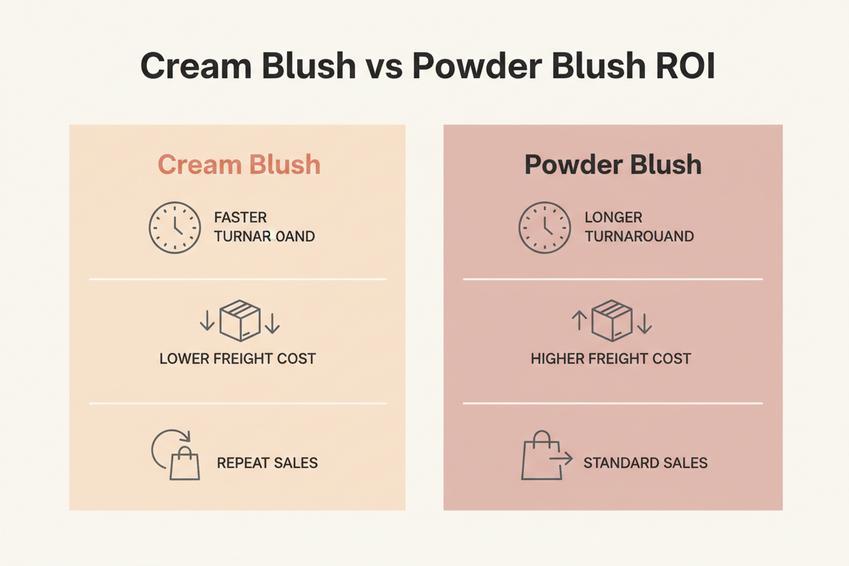
For private-label brands, cream blush vs powder blush decisions reach well beyond texture. Manufacturing speed, freight spend, and repeat buying can all shift the return on each SKU. Topfeel Beauty connects cream blush and powder blush development with practical production planning, helping brands keep costs in check while serving shoppers who want simple, natural-looking makeup without a fussy routine.
Faster Turnaround through GMP Standards
Cream blush vs powder blush planning gets easier when Compliance and documented Quality control guide each batch.
-
Standardized Manufacturing workflows
- Validated procedures improve Efficiency.
- Stable checkpoints limit avoidable rework and support Regulations.
-
Predictable scheduling
- A controlled Production cycle can protect Lead time, so launches are less likely to hit a snag.
For Topfeel Beauty clients, that consistency can make cream blush and powder blush programs easier to scale.
Reduced Freight Logistics Costs
Cream blush vs powder blush ROI also depends on what happens after production. Smart Logistics choices can trim hidden expenses.
- Coordinate cream blush and powder blush components with the Supply chain.
- Consolidate Shipping and Transportation where order timing permits.
- Simplify Warehousing and final Distribution.
This practical Cost optimization approach cuts needless handling while keeping mixed blush orders manageable.
Higher Repeat Sales via Minimalist Makeup Trends
Cream blush vs powder blush fits neatly with Minimalism, since shoppers can build a natural blush routine without piling on products.
-
Simpler routines
- Product simplicity supports a quick Natural aesthetic.
- Current Consumer trends favor flexible, easy-to-layer color.
-
Stronger commercial value
- Coordinated formulas can encourage Repurchase.
- A good shade and texture experience supports Customer loyalty and long-term Retention.
Topfeel Beauty can pair cream blush and powder blush options for brands targeting minimalist makeup buyers, turning cream blush vs powder blush selection into a practical repeat-sales strategy.
References
- Emollient: Benefits, Types, and Uses – Healthline
- Do You Have Dry Skin? What to Look for the Next Time You Buy – WebMD
- Independent Panel Evaluates Safety of Talc in Everyday Products – FDA
- 2025 Foodservice Packaging Trends Lead With Sustainability and Materials – Packaging Digest
- Whole Foods Market adds new sustainable packaging guidelines – Packaging Digest
- Combination Skin: 19 Tips for Dry vs. Oily, Routine, Products, More – Healthline
- Building Your Perfect Skin Care Routine – WebMD
- What to Know About Hydrators – WebMD
- Parabens in Cosmetics – FDA
- Cosmetics Science & Research – FDA
- FDA’s Testing of Cosmetics for Arsenic, Cadmium, Chromium, Cobalt, Lead, Mercury, and Nickel Content – FDA
- 7 Tips to Soothe Your Dry, Itchy Skin – WebMD
- Beauty Products: How to Use Them Properly – WebMD
- Skin Care Tips for Teens – WebMD
Post time: Aug-11-2026