

Looking for an OEM Cosmetics Partner? Discover Topfeel Beauty
When beauty dreams meet chaos, the right oem cosmetics partner saves your sanity—and your budget—turning ideas into shelf-ready legends.
Launching a beauty brand sounds glamorous—until you’re knee-deep in formulas, MOQs, and factory emails at 2 a.m. That’s where oem cosmetics steps in. Think of it as hiring a master chef instead of building your own restaurant kitchen. You bring the vision; the manufacturer handles the heat, timing, and technical wizardry. No guesswork. No chaos. Just products that actually make it to shelves.
Here’s the catch: not all labs are created equal. A flaky partner can drain your budget faster than a viral TikTok trend fades. You need precision, transparency, and a team that treats your brand like more than a PO number.
The right OEM partner doesn’t just fill bottles—they help you build a legacy.
Key Notes in the Symphony of oem cosmetics Partnerships
-> Product Direction: Define your range—skincare, makeup, hair, body, fragrance, or sun protection—guided by market research and target audience insight.
-> Manufacturing Excellence: Review formulation development, ingredient sourcing, production setup, filling, and rigorous quality control testing.
-> Compliance First: Confirm adherence to FDA regulations, EU cosmetic directives, GMP standards, labeling rules, and safety assessments.
-> Smart Operations: Negotiate MOQs, contract manufacturing terms, IP protection, production scheduling, and transparent cost structures.
4-Step Guide to Choosing the Right Cosmetics Partner
Choosing the right partner for oem cosmetics is not just about price. It’s about fit, timing, and long-term growth. If you’re building a brand through OEM, cosmetics manufacturing needs to match your vision, budget, and compliance goals from day one.
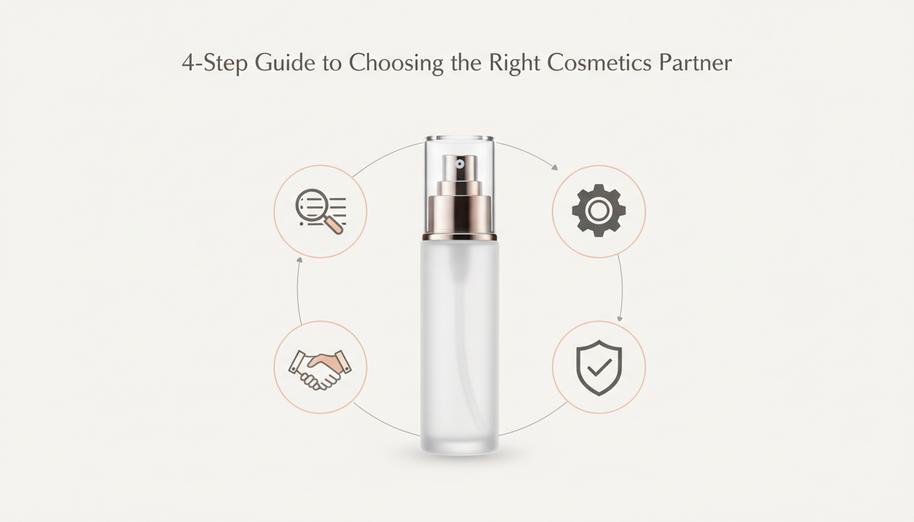
Define Your Product Range: Skincare, Makeup Products, and More
When planning oem cosmetics, clarity beats guesswork. Your product development roadmap should reflect real demand, not hype, as highlighted in the latest Statista market reports.
- Core categories to define:
- skincare lines
- makeup collections
- personal care items
- niche beauty products
Within each category:
- Skincare
- a. Cleansers
- b. Serums
- c. SPF creams
- Makeup
- a. Base products
- b. eye products
- c. lip formulas
Under cosmetic formulations, consider:
- Active ingredient type
- Texture preference
- Target skin concern
For example:
| Category | Avg. MOQ (Units) | Dev. Time (Weeks) | Target Margin (%) |
|---|---|---|---|
| Cleanser | 3,000 | 4–6 | 55 |
| Serum | 5,000 | 6–8 | 60 |
| Lipstick | 8,000 | 5–7 | 50 |
Clear planning keeps your oem cosmetic strategy focused and prevents random product launches that drain cash.
Evaluate Manufacturing Processes and Quality Control Testing
Strong manufacturing capabilities make or break OEM cosmetics projects.
Look inside the factory:
- production facilities
- Mixing tanks
- Filling lines
- Sealing systems
- ingredient sourcing
- Local vs. imported
- Supplier audit records
Quality checks matter:
- Raw material inspection
- In-process sampling
- Final quality assurance release
Dig into testing protocols:
- Stability testing
- Microbial testing
- Heavy metal screening
Batch tracking ensures batch consistency, which protects your brand once oem cosmetics hit retail shelves.
Assess Regulatory Compliance: FDA Regulations & GMP Standards
In OEM cosmetics, skipping regulatory affairs is a fast way to lose markets.
Break compliance into layers:
- Market-specific rules
- US: FDA regulations
- EU: EU cosmetic directives
- Factory-level systems
- GMP standards
- Documentation control
Under safety standards, confirm:
- Toxicology assessments
- CPSR reports
- Stability validation
Labeling must follow ingredient regulations and local labeling requirements, including INCI names and allergen disclosures. If your oem cosmetic supplier can’t show paperwork quickly, that’s a red flag.
Negotiate Business Operations: MOQ, Contract Manufacturing, IP Protection
Business terms shape long-term OEM cosmetics success.
Key negotiation blocks:
- contract manufacturing scope
- Formula ownership
- Custom vs. stock base
- production timelines
- Sampling phase
- Mass production window
- supply chain management
- Raw material lead times
- Backup suppliers
Protect your ideas:
- Register trademarks early.
- Sign confidentiality agreements.
- Clarify intellectual property ownership in writing.
Spell out partnership terms clearly—MOQ, payment cycles, penalties. In oem cosmetics, handshake deals fade fast; paperwork keeps things clean and stress low.
OEM vs. ODM: Which Fits Your Brand?
Choosing between oem cosmetics and ODM can feel like picking a business partner. Both models shape how your beauty line grows, controls costs, and builds identity. If you're planning to enter OEM cosmetic manufacturing, understanding how cosmetics OEM and ready-made systems differ will save time and cash.
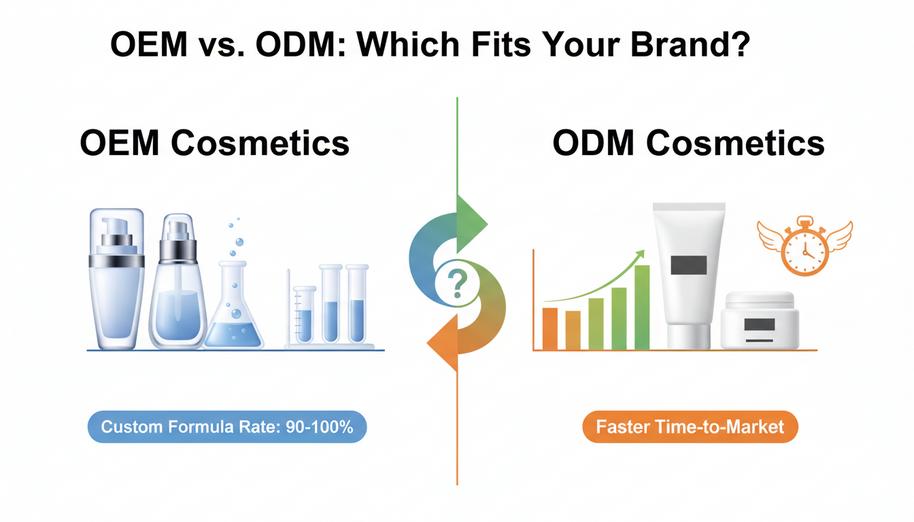
OEM
When brands talk about oem cosmetics, they usually mean full control with factory muscle behind it. Under this model, you own the concept while a factory handles contract manufacturing and technical execution.
- Customization Control
- Formula Design
- Tailored through structured product development
- Ingredient screening aligned with ingredient sourcing strategy
- Packaging Direction
- Custom molds and packaging design
- Brand-aligned artwork and labeling
- Compliance & Standards
- Batch testing
- Strict quality control
- Formula Design
- Manufacturing Process Depth
- Lab sampling
- Pilot production
- Mass-scale manufacturing process optimization
According to McKinsey’s 2025 Global Beauty Report,
“Brands investing in customized product development and tighter supplier collaboration see margin improvements of 3–5% compared to standardized sourcing models.”
That’s why many fast-growing labels turn to experienced OEM cosmetic manufacturing partners like Topfeel Beauty. With private label flexibility and deep product development labs, Topfeel Beauty supports brands that want their formulas to feel truly theirs.
ODM
ODM is built for speed. Instead of starting from scratch, you tap into ready-made formulas developed through in-house proprietary technology and tested via structured market research.
Here’s how it usually plays out:
- Pick from validated base formulas.
- Adjust scent, shade, or minor product customization details.
- Launch with reduced R&D costs.
Benefits often include:
- Faster time-to-market
- Lower upfront testing fees
- Built-in product innovation
For startups, ODM can feel like a shortcut that still supports serious brand development. Cosmetics OEM models demand longer planning cycles; ODM keeps things lean. Some brands even begin with ODM, then shift into full oem cosmetics once revenue stabilizes.
If speed matters more than deep formula control, ODM makes sense. If identity and long-term differentiation drive your strategy, oem cosmetics offers room to build something lasting.
6 Key OEM Cosmetics Production Steps
In the world of oem cosmetics, every move counts. From raw materials to shipping, each detail shapes product safety, brand image, and cost control. If you’re building cosmetic oem or private label cosmetics, this roadmap keeps things clear and practical.
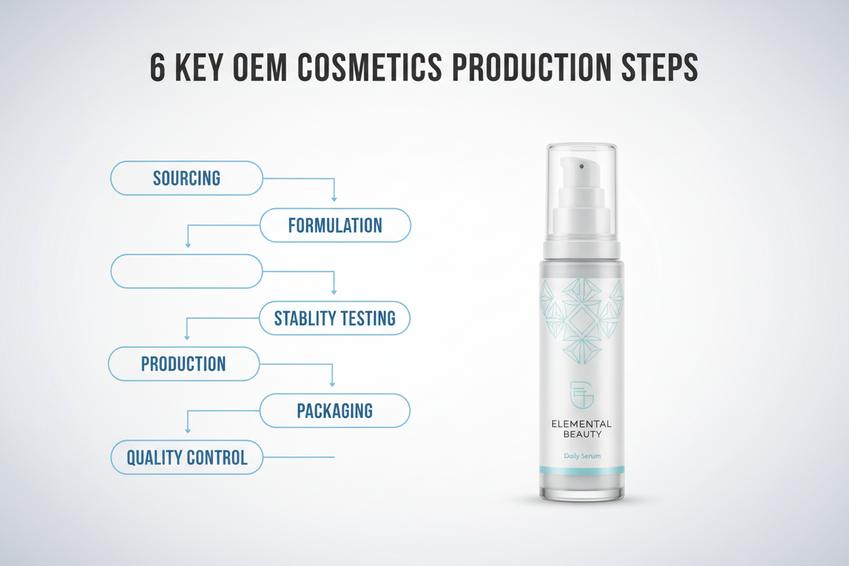
Step 1 – Ingredient Sourcing and Supplier Vetting
In oem cosmetics, quality starts long before mixing begins.
- Raw material control
- Verify origin of raw materials
- Confirm purity of cosmetic ingredients
- Conduct incoming material testing
- Supplier qualification
- Audit manufacturing licenses
- Review COA and MSDS documentation
- Evaluate long-term vendor selection stability
- Quality assurance checkpoints
- Batch traceability codes
- Risk grading system
- Backup supplier database
For cosmetic oem projects at Topfeel Beauty, this stage filters out unstable inputs early, keeping future production smooth and compliant.
Step 2 – Formulation Development and Sample Creation
Strong product formulation turns ideas into shelf-ready goods.
- Custom cosmetics planning
- Market trend scan
- Target price positioning
- Prototype development
- Lab-scale sample production
- Iterative texture analysis
- Ingredient compatibility review
- pH matching
- Fragrance stability
- Active ingredient balance
In oem makeup or skincare, formula tweaks may look small, but they change feel, absorption, and customer feedback fast.
Step 3 – Stability Testing and Safety Assessments
No oem cosmetics line survives without proof of safety.
- Product stability program
- High-temperature test
- Freeze–thaw cycles
- Light exposure tracking
- Shelf-life testing indicators
- Color shift
- Viscosity change
- Odor variation
- Microbiological testing & dermatological testing
- Total plate count
- Pathogen screening
- Patch test validation
- Regulatory compliance
- IFRA review
- EU/ASEAN documentation
These checks protect both brand and consumer. Skipping them? Bad idea.
Step 4 – Production Line Setup and Filling & Sealing
When formulas pass testing, the manufacturing process kicks in.
- Production equipment calibration
- Mixing tank speed
- Temperature control
- Batch production control
- Lot coding
- Real-time viscosity checks
- Filling machines & sealing technology
- Volume accuracy
- Leak testing
- Cap torque inspection
- Assembly line hygiene
- Air filtration
- Surface sanitation logs
Topfeel Beauty aligns each cosmetic oem order with strict filling standards, keeping oem cosmetics consistent from first unit to last.
Step 5 – Packaging Design with Private Label Branding
Looks sell. That’s just real life in private label cosmetics.
- Packaging solutions planning
- Material durability
- Cost comparison
- Container design
- Airless pump
- Glass bottle
- Label printing control
- INCI accuracy
- Barcode testing
- Graphic design & brand identity
- Color psychology
- Logo placement
For oem cosmetics, packaging isn’t decoration; it’s silent marketing.
Step 6 – Quality Control Testing & Warehousing Solutions
Final checks lock in reputation.
- Quality control workflow
- Finished product testing
- Random batch inspection
- Inventory management
- FIFO tracking
- ERP updates
- Storage solutions
- Temperature zoning
- Humidity monitoring
- Logistics support
- Export documents
- Delivery scheduling
From lab bench to warehouse shelf, oem cosmetics demand discipline. With structured control and experienced partners like Topfeel Beauty, cosmetic oem production becomes steady, scalable, and market-ready.
Cost Transparency: No Hidden OEM Cosmetics Fees
In oem cosmetics manufacturing, cost surprises can wreck margins fast. Brands working with OEM cosmetic partners need clean numbers from day one. This is how Topfeel Beauty keeps oem cosmetics projects simple, clear, and drama‑free—no sneaky add‑ons, no fuzzy math, just real transparency across cosmetics OEM operations.
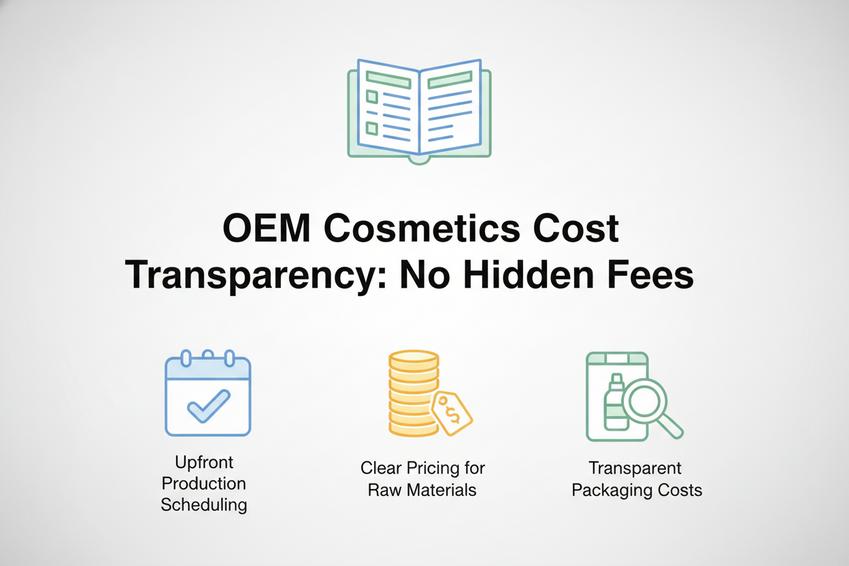
Upfront Production Scheduling and Inventory Management
When managing oem cosmetics, clarity starts with planning.
- Production timelines
- Defined Production timelines linked to confirmed formulas
- Clear Lead times for raw material arrival
- Capacity checks based on real Manufacturing capacity
- Order volume control
- Set minimums aligned with factory Manufacturing capacity
- Review current Inventory levels before new runs
- Adjust output to protect healthy Stock management
- Fulfillment alignment
- Real-time Supply chain visibility
- Coordinated Order fulfillment planning
- Buffer windows to reduce delays
This approach keeps OEM cosmetic production smooth. No guessing. No rushed air freight because someone skipped forecasting.
Clear Pricing for Raw Material Suppliers and Logistics Partners
In cosmetics OEM deals, cost layers matter.
- Transparent Raw material costs based on signed Supplier agreements
- Open breakdown of Logistics fees and Transportation expenses
- Clear Warehousing costs within agreed Distribution channels
Then it goes deeper:
- Material sourcing origin confirmation
- Freight mode selection and related Transportation expenses
- Ongoing review of fluctuating Raw material costs
Short story? If the price of a pigment shifts, you’ll know why. That’s how professional oem cosmetics partners operate.
Transparent Packaging Material Vendor Costs
Packaging can quietly inflate oem cosmetics budgets if unchecked.
- Core cost categories
- Base Packaging material prices
- Verified Component sourcing records
- Agreed Material quality standards
- Customization controls
- Charges for Custom packaging molds
- Actual Printing costs per batch
- Detailed Labeling expenses tied to artwork changes
- Vendor oversight
- Documented Vendor selection criteria
- Competitive bidding on Packaging material prices
- Approval checkpoints before scaling volume
This keeps cosmetics OEM packaging stylish without hidden markups.
Detailed Breakdown of Regulatory Compliance Expenses
Compliance in oem cosmetics is serious business, and every dollar should be traceable.
- Safety and testing
- Lab Testing fees
- Formal Safety assessments
- Ingredient checks under Ingredient regulations
- Certification pathway
- Certification costs
- Audit-ready Documentation requirements
- Market-specific Labeling compliance
- Quality governance
- Ongoing Quality control standards
- Renewal of required Certification costs
- Updates when Ingredient regulations change
Transparent compliance budgeting protects brand reputation and keeps OEM cosmetic partnerships steady. With clear numbers across production, packaging, and regulation, oem cosmetics projects stay profitable and predictable.
FAQs about Oem cosmetics
What are the core advantages of partnering with an oem cosmetics manufacturer?
Working with an experienced oem cosmetics partner gives brands both creative control and operational depth:
- Custom formulation development tailored to skincare formulations, makeup products, or hair care solutions
- Reliable ingredient sourcing from vetted raw material suppliers
- Structured production line setup with strict quality control testing
Beyond production, strong client relationship management and project management keep timelines clear and expectations aligned.
How do I define the right product range before production begins?
Start with people, not products.
- Conduct market research and target audience analysis
- Study trend analysis in fragrance items, sun protection, or body care essentials
- Validate ideas through sample creation and stability testing
This early clarity shapes formula customization, packaging aesthetics, and brand identity development with purpose instead of guesswork.
What does the oem cosmetics manufacturing process look like?
The journey often unfolds in clear stages:
① Ingredient efficacy review and supplier confirmation
② Sample creation and safety assessments
③ Production scheduling and scaled manufacturing
④ Filling and sealing under GMP standards
⑤ Packaging design aligned with private label branding
Each step connects tightly to inventory management and distribution networks, keeping launch dates realistic.
How do OEM and ODM models differ in practice?
OEM centers on your original concept—unique formulation development, customized packaging material vendors, and defined intellectual property protection under contract manufacturing agreements.
ODM offers pre-tested formulas and faster production scheduling, ideal for brands managing lower minimum order quantities and shorter timelines.
The choice rests on how much creative ownership and speed your strategy demands.
How is consistent quality maintained across large batches?
Quality is built into daily routines, not checked at the end.
- Multi-stage quality control testing during mixing and filling and sealing
- Compliance with FDA regulations, EU cosmetic directives, and labeling requirements
- Temperature-controlled warehousing solutions and monitored logistics partners
These safeguards protect both product integrity and cruelty-free brand reputation.
How can contracts protect my formula and brand identity?
Clear contract manufacturing agreements should define:
- Ownership of formulation development and packaging design
- Confidential handling of ingredient sourcing data
- Intellectual property protection clauses
- Responsibility for cruelty-free certifications and regulatory updates
When expectations are written plainly, business operations stay calm, and product storytelling remains fully yours.
References
- The Beauty Market in 2023 - mckinsey.com
- Global Beauty & Personal Care - statista.com
- Cosmetic Good Manufacturing Practices - fda.gov
- EU Cosmetic Regulation Framework - ec.europa.eu
- ISO 22716:2007 Cosmetic GMP - iso.org
- Cosmetic Ingredient Review (CIR) - cir-safety.org
- Personal Care Products Council - personalcarecouncil.org
- Cruelty-Free International Certification - crueltyfreeinternational.org
- Global Cosmetic Industry Trends - gcimagazine.com
- E-commerce in the Beauty Industry - shopify.com
- Cosmetic Microbiology & Safety - sciencedirect.com
- International Fragrance Association Standards - ifrafragrance.org
- Sustainable Packaging Coalition - sustainablepackaging.org
- International Organization for Standardization - iso.org
Related Products

Top Selling Products


- Related Blog
- Related Videos
- Reviews
